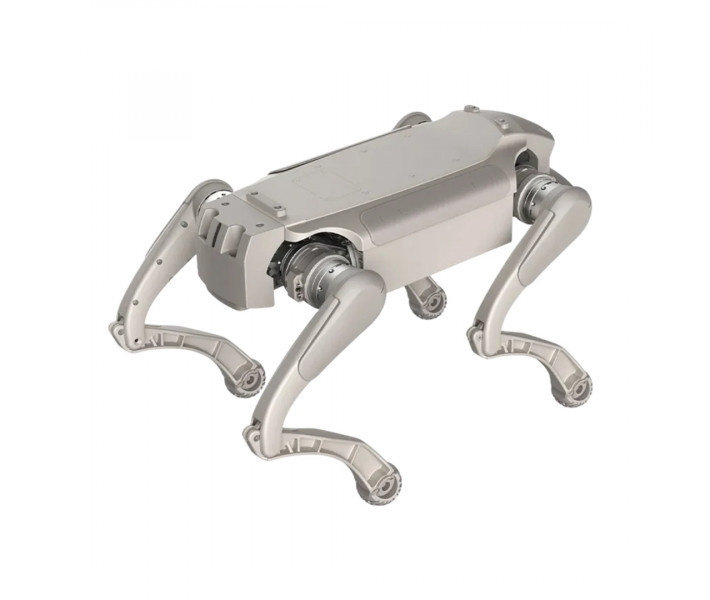
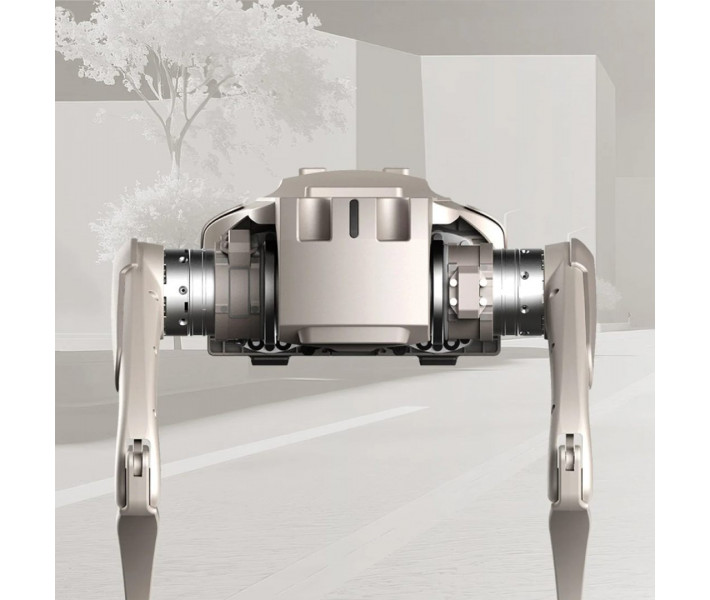


Robotic Platform for Mobile Tasks
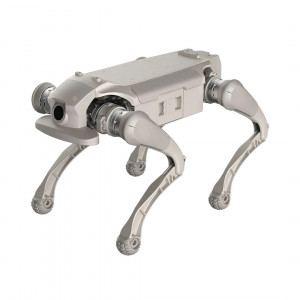
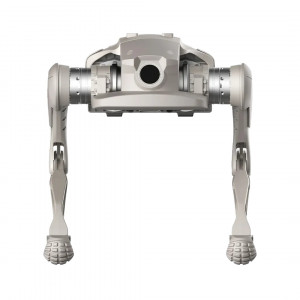
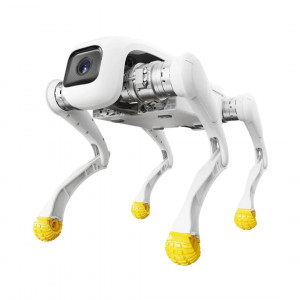
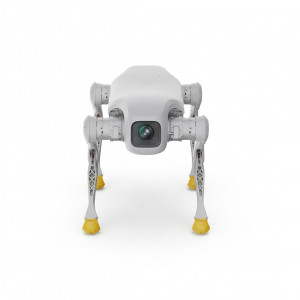
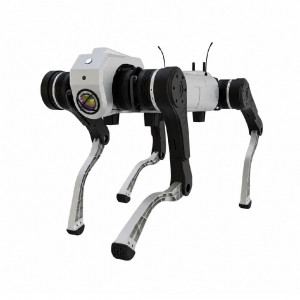
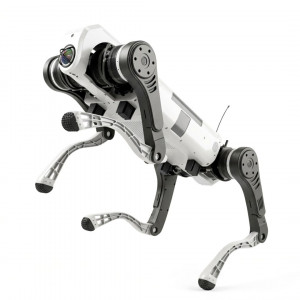
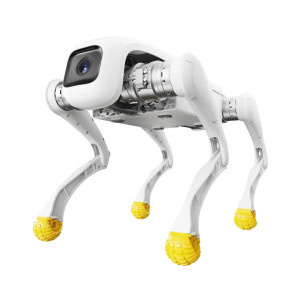
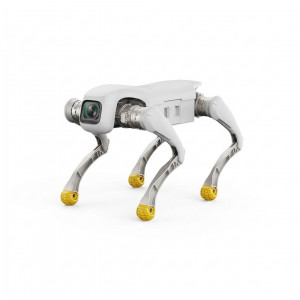
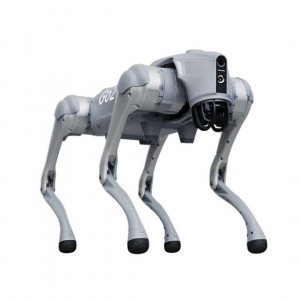
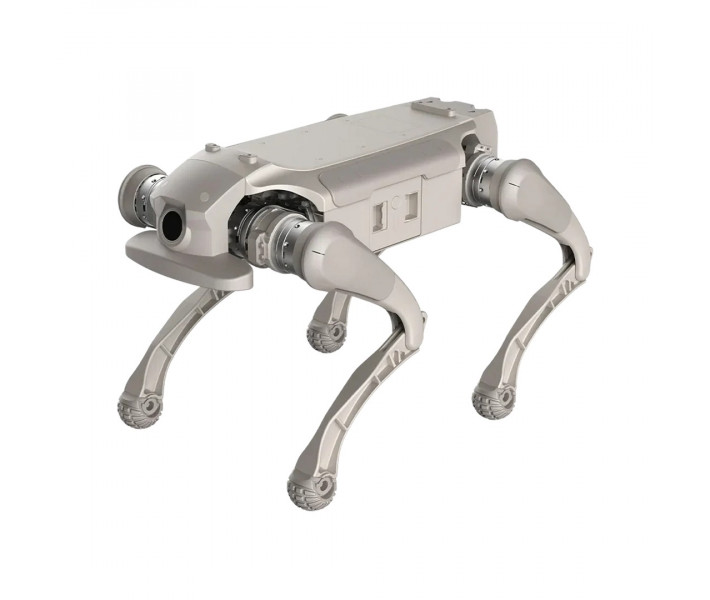
AgiBot D1 Ultra is a compact industrial-grade robot dog for inspection, security, research, education, and custom robotic projects. The model weighs 16 kg, supports a load of up to 5 kg, and reaches speeds of up to 3.7 m/s. The platform can climb consecutive steps up to 16 cm high, operates on slopes of about 30° in standard mode and up to 40° maximum. IP54 protection enhances reliability in various conditions, and SDK and hardware interfaces allow for the connection of additional modules.
Main Advantages of AgiBot D1 Ultra
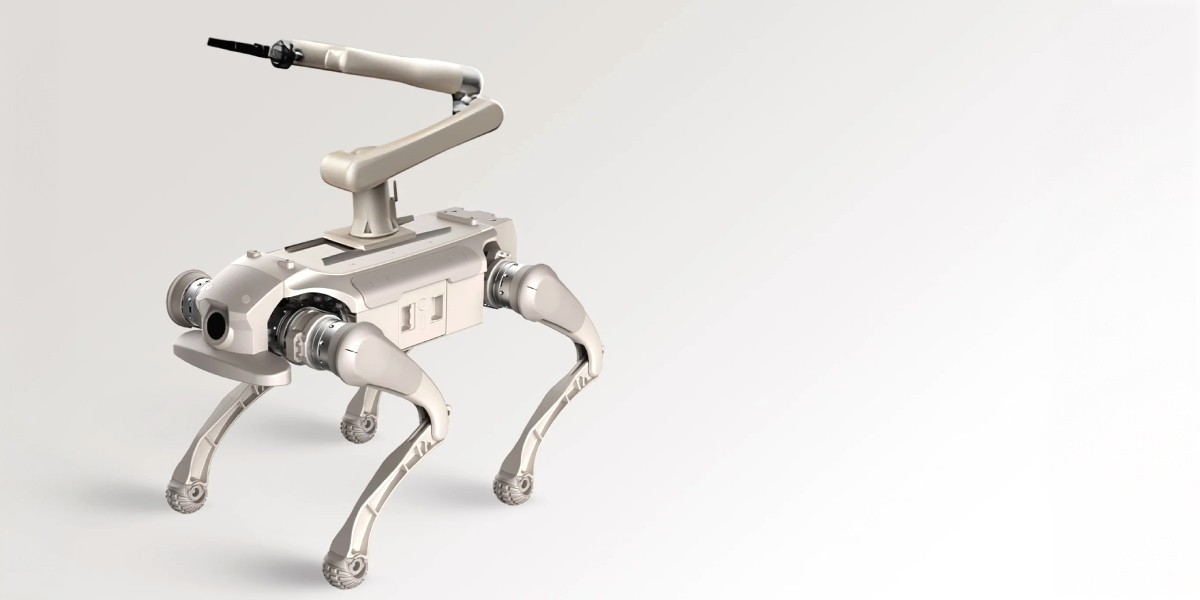
- Installation of additional equipment. The platform can accommodate cameras, sensors, and other modules for specific work scenarios.
- High mobility. The robot reaches speeds of up to 3.7 m/s and has a range of 6 ± 1 km, allowing it to quickly move between route points.
- Stability during movement. The quadruped design allows it to overcome consecutive steps up to 16 cm high and move on slopes with an angle of up to 40°.
- Passability on difficult routes. The robot can perform jumps forward or upward over a distance of up to 35 cm.
- Precise movement control. The system has 12 degrees of freedom, and the peak joint torque is 48 N·m.
- Operation in various conditions. The protected design is intended for use in dusty and wet areas.
- Opportunities for custom development. The platform supports SDK, URDF model, and work with NVIDIA Isaac Sim and MuJoCo environments.
- Stable operation in different temperature conditions. The platform's operating temperature range is from 0 to 40 °C.
Movement and Obstacle Overcoming
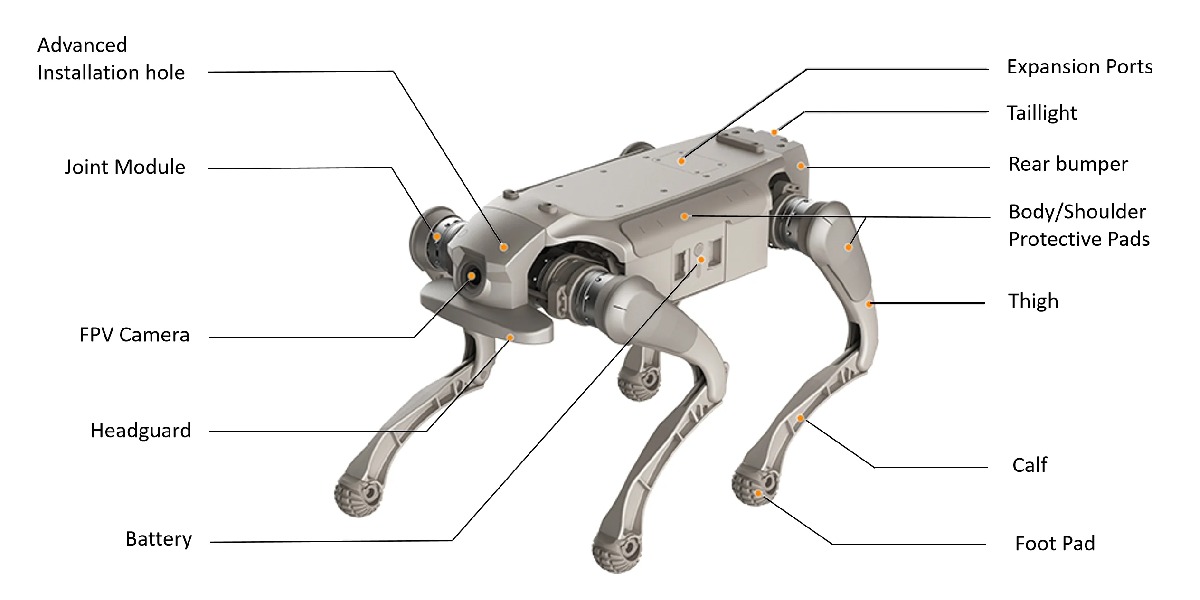
AgiBot D1 Ultra has 12 degrees of freedom — 3 DOF per leg. Reinforcement learning-based gait control helps the robot maintain balance, compensate for external disturbances, and adapt movement to uneven terrain. The maximum speed is up to 3.7 m/s.
The robot climbs consecutive steps up to 16 cm high, moves on slopes with a maximum angle of up to 40°, and performs jumps forward or upward with a lift-off from the surface up to 35 cm. The payload is up to 5 kg, allowing additional cameras, sensors, and computing modules to be mounted on the body within the allowable mass.
Joint System and Movement Control
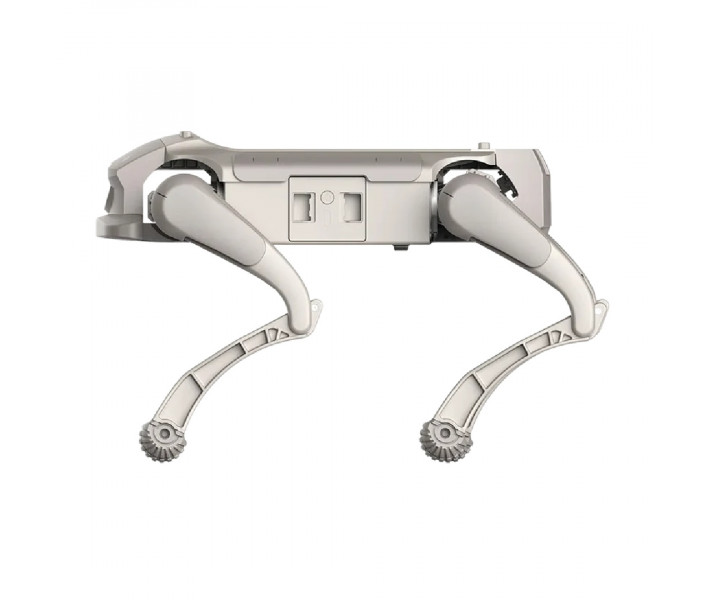
Each leg of the AgiBot D1 Ultra has three controlled degrees of freedom. The joint mechanisms provide a peak torque of up to 48 N·m, necessary for active maneuvers, maintaining body position, and moving through complex route sections.
Dual encoder control manages joint positions and does not require conventional zero position calibration before launch. This system reduces the number of preparatory operations and ensures precise control of the robot's movements.
Body Durability and Protection
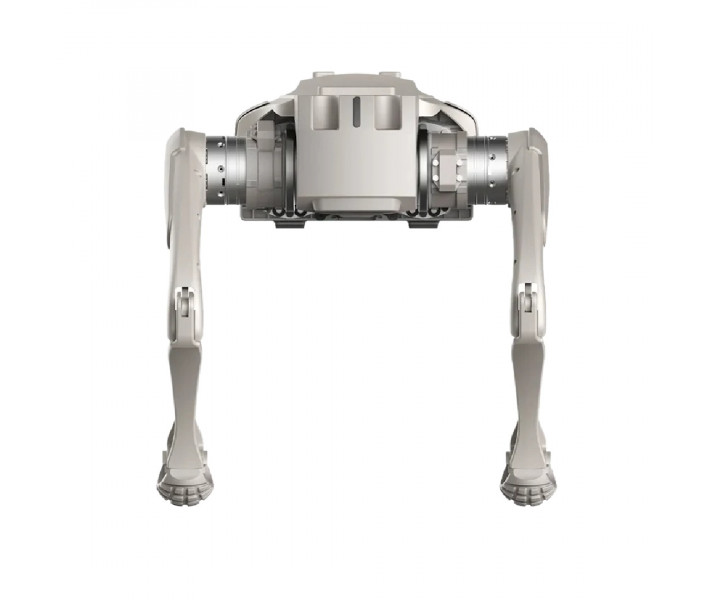
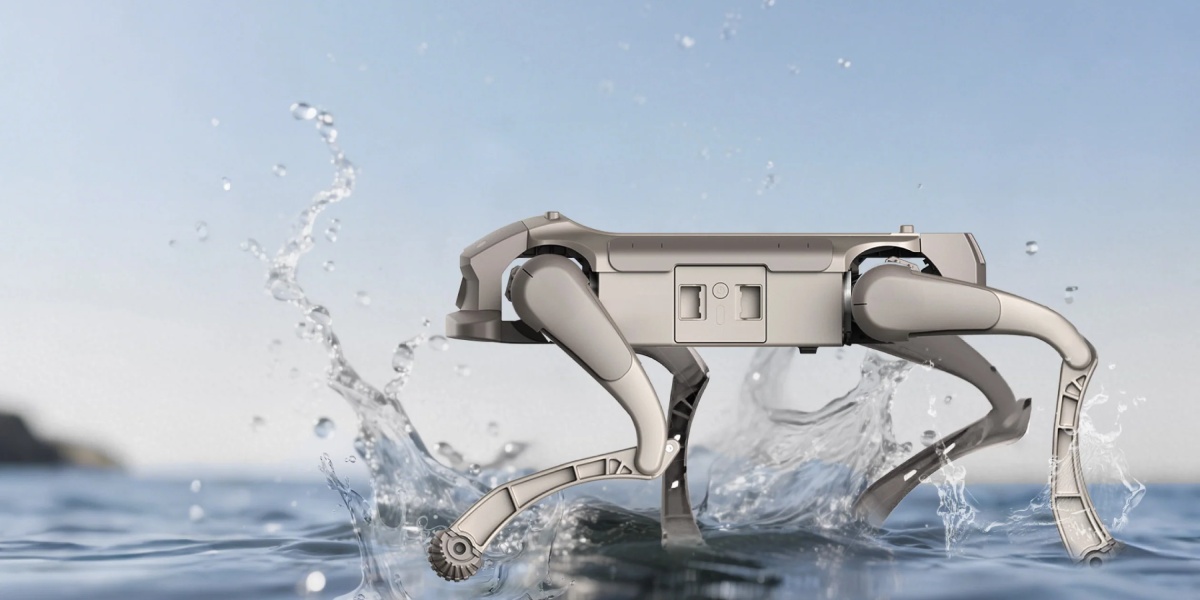
The body of the AgiBot D1 Ultra is made of aluminum alloy and high-strength engineering plastic. The design is intended for intensive use during mobile, inspection, research, and other applied tasks. The IP54 protection class provides protection against dust and splashes within the relevant standard. The operating temperature range is 0…40 °C, allowing the platform to be used on various industrial and research sites under permissible operating conditions.
Camera and Connection of Additional Equipment
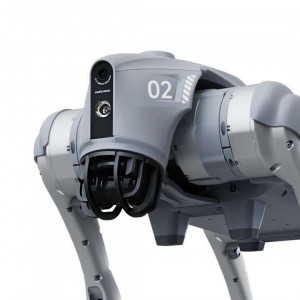
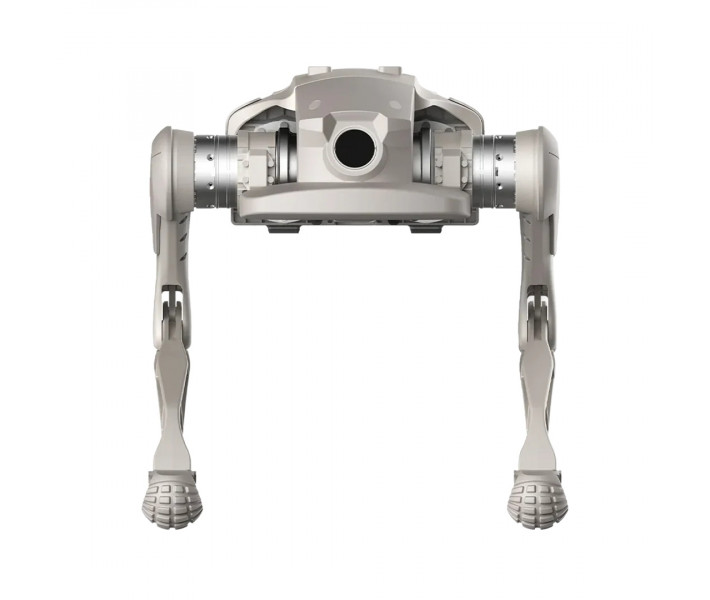
AgiBot D1 Ultra is equipped with a camera with a resolution of 1920 × 1080 pixels and supports real-time image transmission. For connecting external equipment, Ethernet, USB, Power Port, SBUS, and UART are provided. The platform supports the installation of additional sensors and communication modules, including LiDAR, depth cameras, RTK, and 4G/5G. The specific set of equipment depends on the robot's configuration.
SDK and Tools for Secondary Development
For developing custom software scenarios, AgiBot D1 Ultra supports SDK, URDF robot model, and simulation interfaces. Algorithms can be pre-created and tested in a virtual environment before testing on the physical platform.
Simulation supports NVIDIA Isaac Sim and MuJoCo. This allows using AgiBot D1 Ultra for robotics research, motion algorithm testing, sensor integration, and creating custom application solutions.
Applications of AgiBot D1 Ultra
- Security and Patrolling. D1 Ultra can be used as a mobile base for operating on predefined routes and remote video surveillance. For tasks requiring special sensors or autonomous algorithms, appropriate modules and software need to be prepared separately.
- Technical Inspections. The camera and real-time image transmission allow remote inspection of required areas. If the task requires LiDAR, a depth camera, or other measuring equipment, it needs to be connected separately.
- Scientific Research and R&D. SDK, URDF, hardware interfaces, and simulation provide a technical base for working with motion algorithms, control, and additional sensors.
- Robotics Education. The platform is suitable for studying the control of quadruped systems, working with sensors, SDK, and simulators. Isaac Sim and MuJoCo can be used for preparing and verifying algorithms before working with the physical robot.
- Emergency and Rescue Scenarios. This direction is included in the list of D1 Ultra applications. Specific functions for search, object detection, or measurement collection depend on the installed sensors and software.
- Demonstration and Entertainment Projects. Standard movements include jumps, standing on two legs, backflips, and a greeting gesture. These modes can be used for exhibitions, educational presentations, and demonstrating motion algorithms.
What's Included in the AgiBot D1 Ultra Package
The AgiBot D1 Ultra package includes the robot itself, a battery, charging equipment, control tools, and accessories for starting work and basic maintenance.
- AgiBot D1 Ultra Robot Dog. Main quadruped robotic platform.
- Battery. Removable power source for autonomous robot operation.
- Battery Charger. Used for charging the battery.
- Power Adapter. Provides connection of the charging system to the power supply.
- Power Adapter Cable. Designed for connecting the adapter to the power grid.
- Remote Control. Used for manual robot control.
- User Manual. Contains basic information on platform setup and operation.
- Transport Box. Designed for packaging and transporting equipment.
- Paw Pads — 4 pcs. Installed on the robot's leg support parts.
- Tool Kit — 1 set. Intended for basic robot setup and maintenance.
Technical Specifications of AgiBot D1 Ultra
Design and Movement Characteristics
| Parameter | Value |
| Dimensions in standing position | 630 × 360 × 420 mm |
| Dimensions in folded position | 670 × 435 × 145 mm |
| Net weight | 16 kg |
| Degrees of freedom | 12 DOF |
| Operating temperature | 0…40 °C |
| Maximum speed | 3.7 m/s |
| Load | 5 kg |
| Range | 6 ± 1 km |
| Consecutive steps | up to 16 cm |
| Slope angle | up to 40° |
| Jump forward/upward | up to 35 cm |
| Peak joint torque | 48 N·m |
| Materials | Aluminum alloy, high-strength engineering plastic |
| Joint movement range | Body −28°…+28° Thigh −170°…−66° Shin +35°…+156° |
Power and Protection and Communication Means
| Parameter | Value |
| Battery | Capacity 4.6 A·h, Voltage 43.2 V |
| Operating time | 1–2 hours |
| Protection class | IP54 |
| Connection type | Wi-Fi 5.0, Bluetooth 5.0 |
| Live image transmission | Supported |
Camera and Interfaces and Development Capabilities
| Parameter | Value |
| Camera | 1920 × 1080 |
| Camera field of view | DFOV 122°, HFOV 111°, VFOV 70° |
| Interfaces | Ethernet, USB ×2, Power Port ×2, SBUS, UART |
| SDK | Supported |
| Simulation model | URDF |
| Simulation platforms | NVIDIA Isaac Sim, MuJoCo |
Tips for Selection and Implementation
- Determine the main scenario. Different sensors and software functions are needed for security, inspection, research, and education.
- Check the weight of additional equipment. Cameras, sensors, computing units, and mounts must fit within the effective payload of 5 kg.
- Specify the necessary sensors. LiDAR, depth camera, and RTK are extensions, so they need to be selected for the specific task.
- Agree on the configuration before ordering. Check the required modules, hardware interfaces, and software functions before placing an order.
Order AgiBot D1 Ultra
AgiBot D1 Ultra is suitable for research centers, universities, enterprises, developers, and system integrators who need a mobile robotic platform for research, algorithm testing, autonomous navigation, or custom development. Our specialists will help select the configuration, clarify software capabilities, compatible sensors and communication modules, check the availability of additional equipment, and place an order.