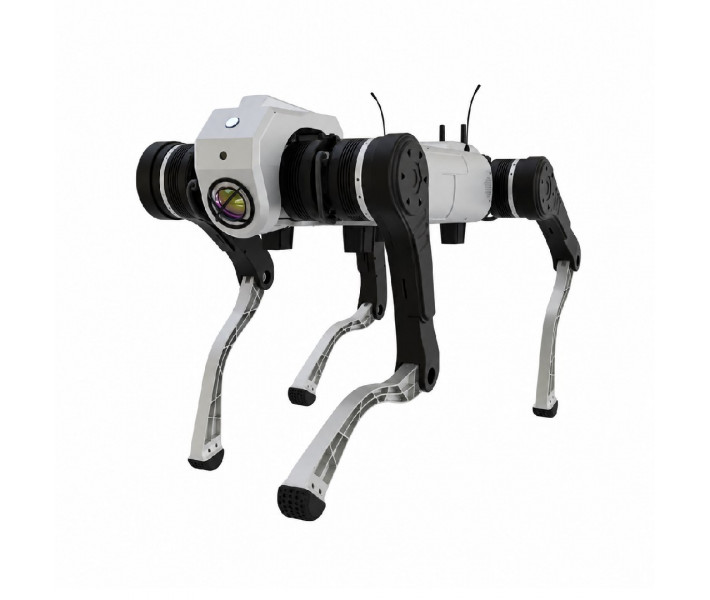
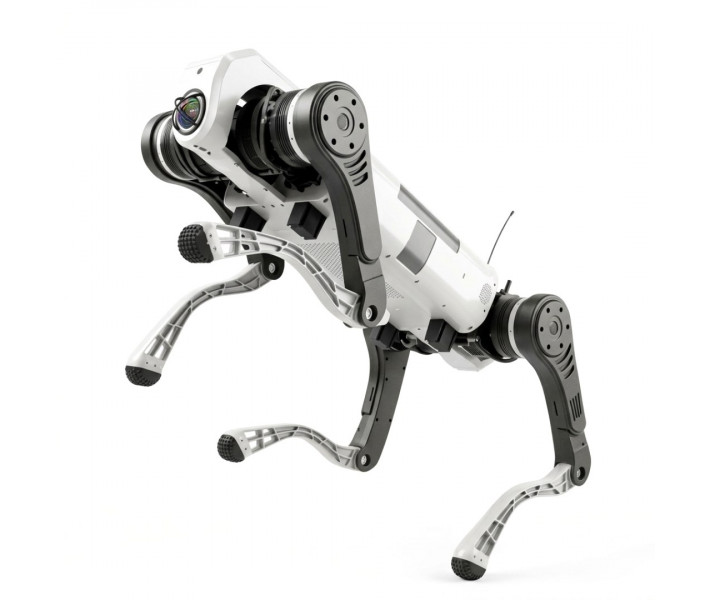
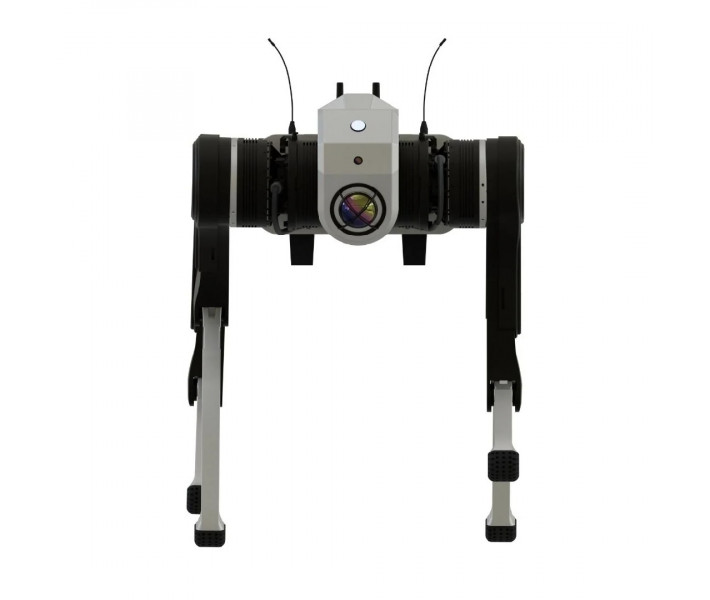
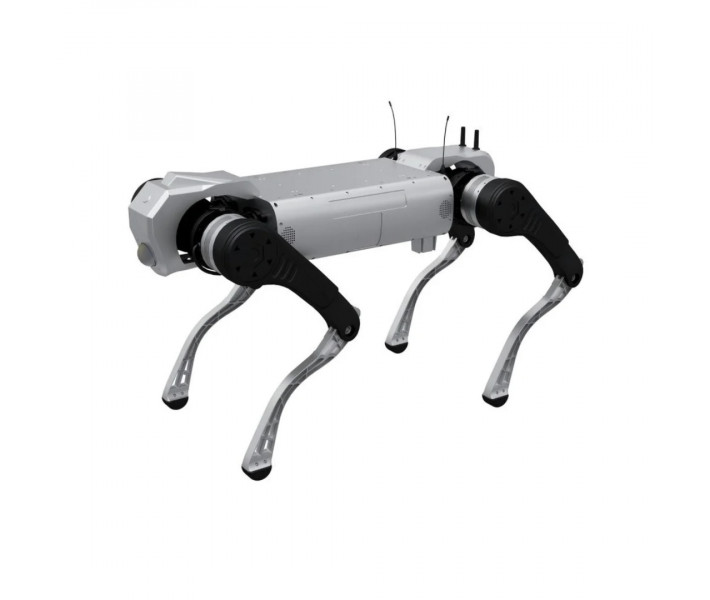
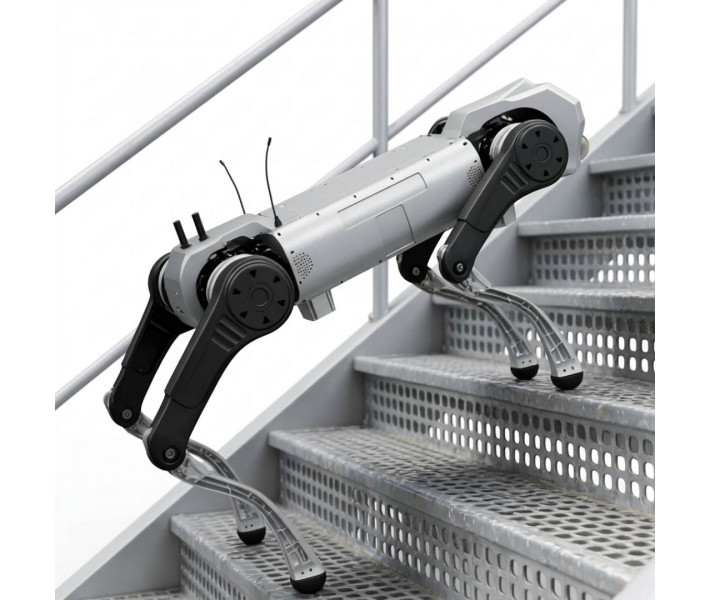


Industrial Robot Dog for Loads up to 50 kg
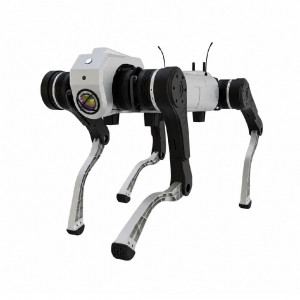
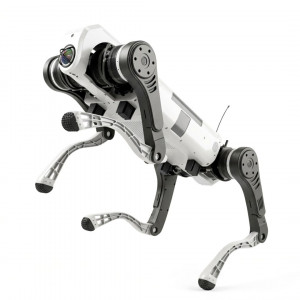
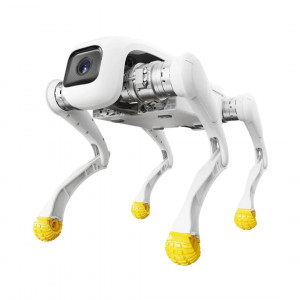
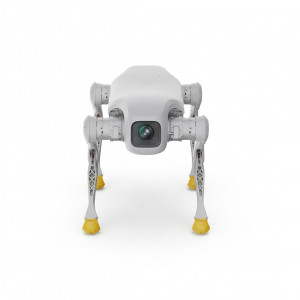
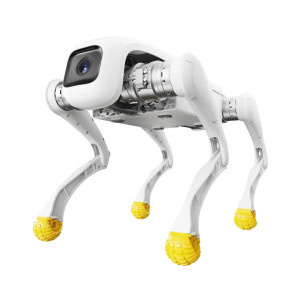
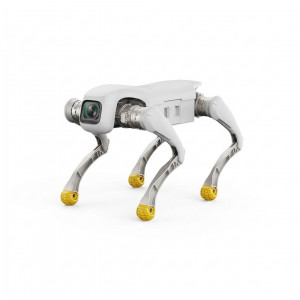
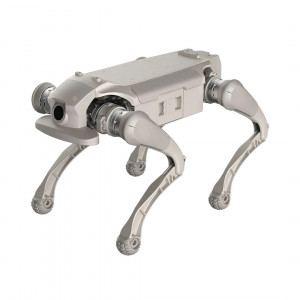
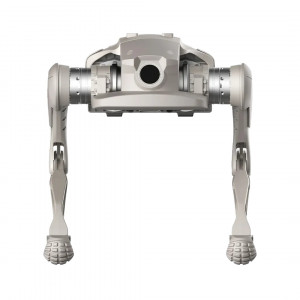
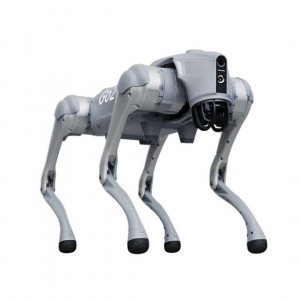
AgiBot D1 MaxPro is an industrial robot dog designed for transporting loads, logistics, and emergency rescue operations. Unlike lightweight demonstration models, the D1 MaxPro is built for long-term operation with a load of up to 50 kg. The 2081 Wh battery provides up to 5.5 hours of operation without a load and at least 2 hours when fully loaded. The quadruped design can handle consecutive steps up to 30 cm, and the IP67 protection and operating range from −20 to 55 °C allow the platform to be used in open and industrial areas.
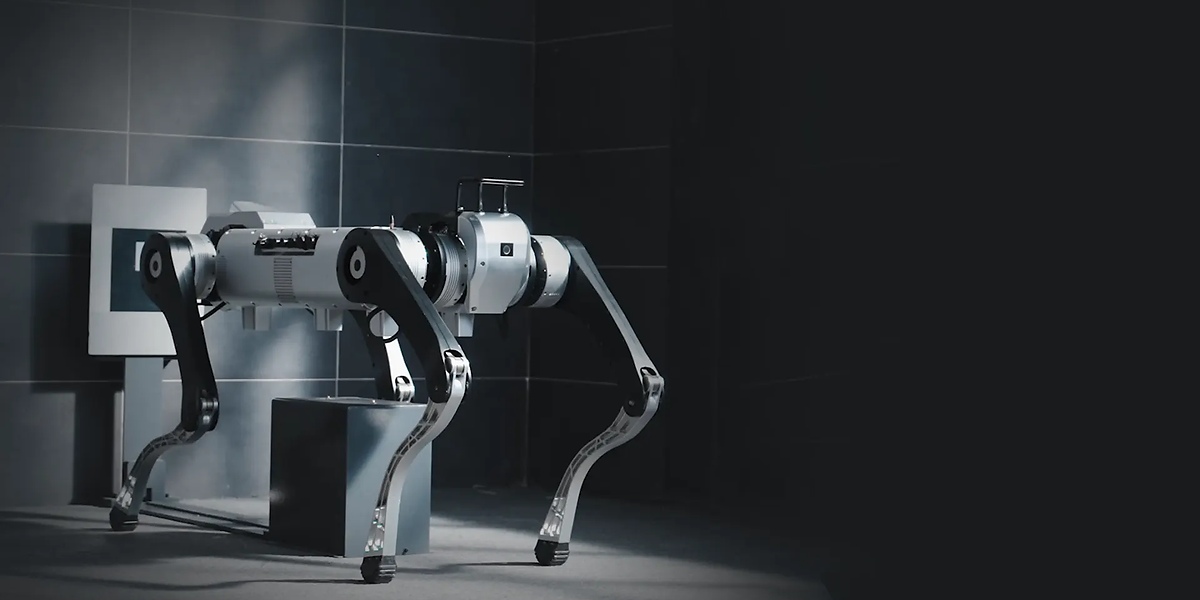
Main Advantages of AgiBot D1 MaxPro
- Long-term load capacity up to 50 kg. The platform is suitable for transporting loads and installing heavy additional equipment.
- Long autonomous operation with various loads. The 2081 Wh battery provides up to 5.5 hours of operation without a load. With full load, the autonomous operation time is at least 2 hours.
- High passability on stairs and uneven surfaces. The quadruped design allows overcoming consecutive steps up to 30 cm high and moving where wheeled equipment has limited passability. Movement on open industrial stairs is also supported.
- Self-return to working position. After a fall, the robot can independently get up. This reduces the need for manual intervention on complex routes.
- Reliable protection against dust and moisture. The body has an IP67 protection class and is designed for operation in the rain and in challenging conditions. It is allowed to work in water up to 20 cm deep.
- Stable operation over a wide temperature range. The platform is designed for operation from −20 to 55 °C, allowing it to work in both low and high temperatures. This expands the possibilities of use in open areas and production sites.
- Quick battery replacement. The battery can be quickly replaced to reduce pauses between work cycles. An optional charging station is available for long autonomous scenarios.
- Operation on routes with varying terrain. The design is intended for heavy loads, stairs, and uneven areas. This distinguishes the D1 MaxPro from lightweight robot dogs primarily aimed at demonstrations.
Transporting Loads and Installing Equipment
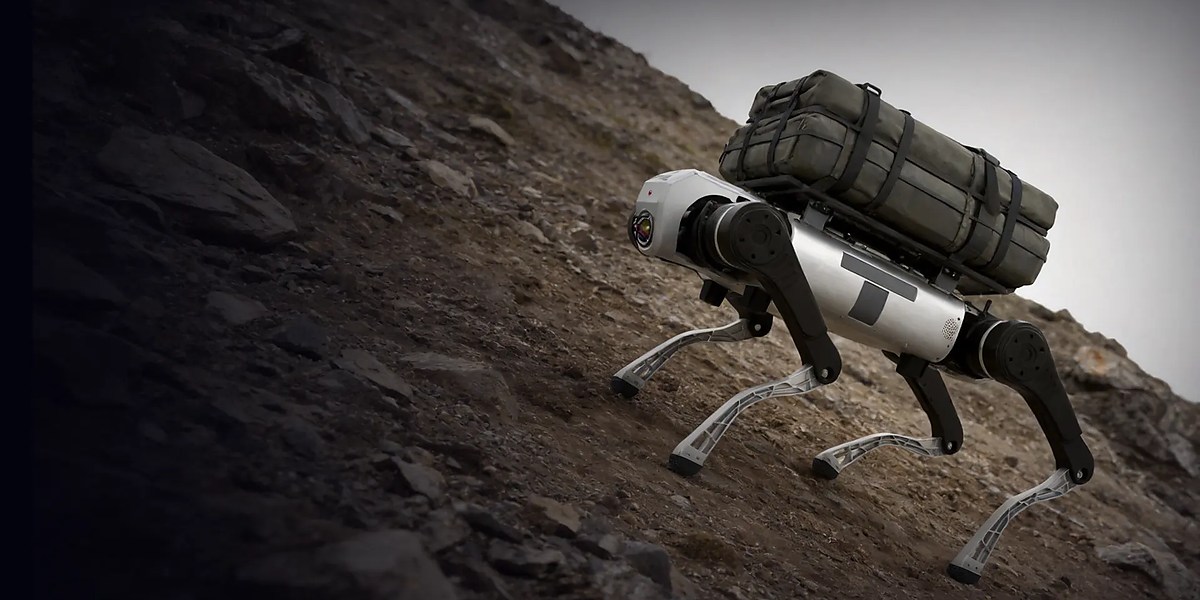
The D1 MaxPro is designed for long-term carrying of useful loads weighing up to 50 kg. The sustained payload parameter determines the working weight the platform transports throughout the mission. This load capacity allows transporting materials between work zones, delivering loads over complex terrain, and installing heavy equipment complexes. The modular platform on the body supports mounting additional devices within the allowable weight.
Movement on Stairs and Uneven Terrain
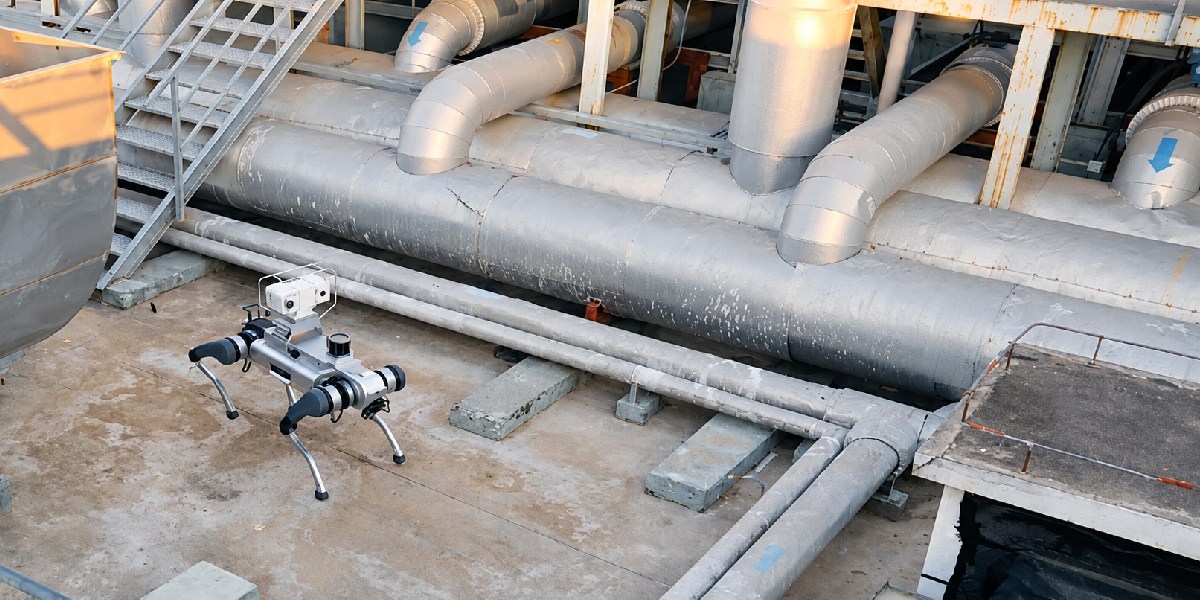
The D1 MaxPro robot dog works effectively on complex areas where conventional wheeled platforms lose passability. The model overcomes steps up to 30 cm high and moves on open industrial stairs, allowing routes through technological transitions and uneven terrain. In case of overturning, the auto-recovery system independently returns the robot to the working position, minimizing the need for manual operator intervention.
Power System for Long Work Cycles
The 2081 Wh battery provides long autonomy: up to 5.5 hours without load and from 2 hours at full weight pressure. When planning missions, it is important to consider the weight of the equipment, as it directly affects the operating time. The design supports quick battery replacement for continuous operation, and an autonomous charging station is available as a separate option.
IP67 Protection and Operation in Challenging Conditions
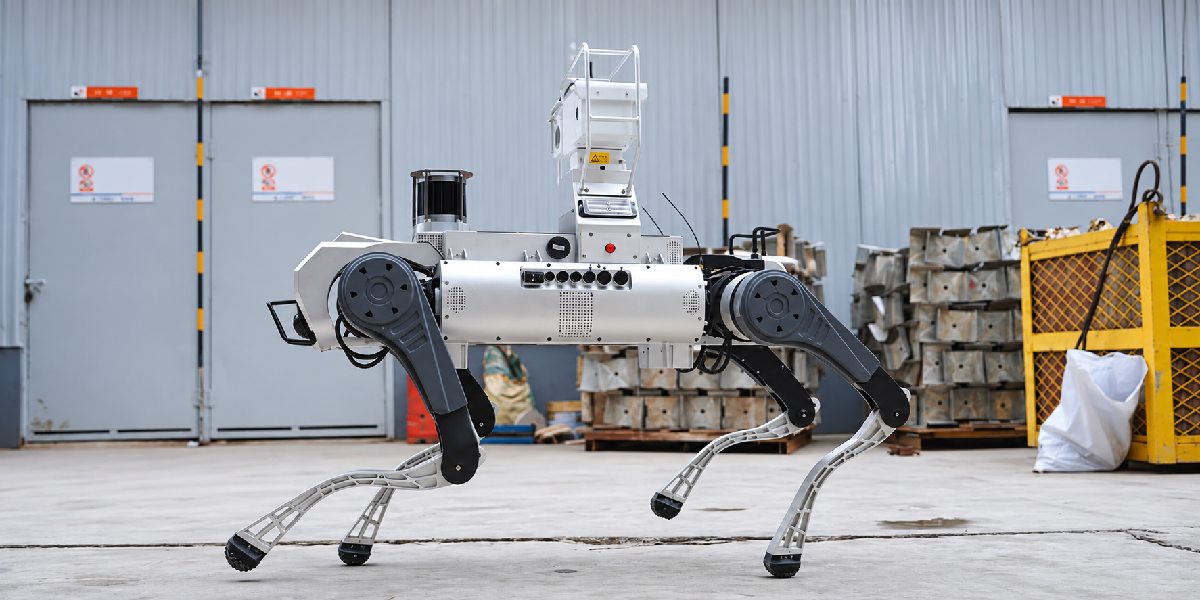
Thanks to the IP67 protection class, the D1 MaxPro robot is designed to work in the rain, dusty environments, and open industrial sites. The operating temperature range from −20 to +55 °C allows the platform to be used both in winter and summer heat. The permissible depth for overcoming water obstacles is up to 20 cm. This parameter should be considered when planning routes and not exceeding the established limit.
Applications of AgiBot D1 MaxPro
- Working with heavy loads. The D1 MaxPro is designed for long-term carrying of up to 50 kg, making it suitable for materials, loads, and heavy additional equipment within the allowable mass.
- Logistics and transportation. The quadruped scheme is useful on routes with stairs and uneven surfaces, where wheeled carts or mobile robots have limitations. The platform can transport loads between production or warehouse zones.
- Industrial enterprises. The robot can work on technical and production sites with dust, rain, water up to 20 cm, and temperatures from −20 to 55 °C. The specific work task is determined by the configuration and installed equipment.
- Emergency rescue operations. This direction is directly indicated by AGIBOT for the D1 MaxPro. Specific tasks depend on the installed equipment and software settings.
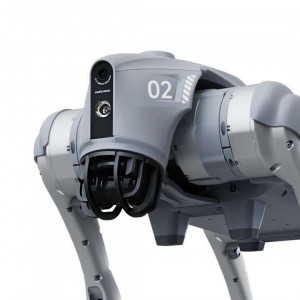
- Projects with additional equipment. LiDAR, cameras, Ethernet, USB, and power outputs provide a technical basis for connecting additional devices. Their compatibility needs to be checked before installation.
Configuration of AgiBot D1 MaxPro
The exact configuration of AgiBot D1 MaxPro depends on the configuration and needs to be clarified before ordering. An autonomous charging station is available as an option and is not included in the standard package.
Technical Specifications of AgiBot D1 MaxPro
Basic Information and Operating Parameters
| Parameter | Value |
| Dimensions in standing position | 1230 × 530 × 730 mm |
| Dimensions in folded position | 1313 × 530 × 300 mm |
| Net weight | 68 kg |
| Degrees of freedom | 12 DOF |
| Operating temperature | −20…55 °C |
| Protection class | IP67 |
| Computing module | GPU 117 TOPS, CPU ARM/x86 |
| Battery | 45 Ah, 48 V ±2 V |
| Battery capacity | 2081 Wh |
| Charging time | 4.5 hours |
| Operating time without load | up to 5.5 hours |
| Operating time with 20 kg load | ≥ 2 hours |
| Range without load | 10 km |
| Long-term walking speed | 0–1.2 m/s |
| Maximum speed | 3 m/s |
| Working load | up to 50 kg |
| Maximum climbing angle | 45° |
| Materials | Aluminum alloy, high-strength engineering plastic |
Drive Parameters and Perception System
| Parameter | Value |
| Maximum joint torque | 300 Nm |
| Joint movement range | Body −45°…45° thigh −200°…20° shin 30°…160° |
| LiDAR | Front, 96-channel |
| LiDAR field of view | 360° × 90° |
| LiDAR range | up to 120 m |
| LiDAR accuracy | 1.5 cm |
| Cameras | Front and rear, 2 MP |
| Camera field of view | DFOV 150°, HFOV 130°, VFOV 73° |
| Camera frame rate | 30 fps |
| IMU | Automotive grade |
| Permissible water depth | up to 20 cm |
Functional Capabilities, Communication, and Equipment
| Parameter | Value |
| Real-time video transmission | Supported |
| Secondary development | Supported |
| SDK | TCP, ROS; x86 and ARM |
| Wireless communication | Wi-Fi 6.0, Bluetooth 5.2 |
| 4G | Optional |
| Network interfaces | Gigabit Ethernet ×3, Fast Ethernet 100 Mbps |
| USB | USB 3.0 ×2 |
| Other interfaces | Serial port |
| Power outputs | 12 / 24 / 48 V |
| Maximum control distance | 500 m |
Tips for Selection and Implementation
- Determine the load weight. The total weight of the load and installed equipment should remain within 50 kg.
- Calculate the required operating time. Up to 5.5 hours applies to operation without load, and with full load, the indicator is at least 2 hours.
- Check the route. Pre-assess stairs, unevenness, water, dust, and temperature conditions throughout the work area.
- Clarify the method of equipment installation. Before installing additional devices, check the available mounting points, power, and data transmission in the selected configuration.
- Check software capabilities. If connection to your own control system is required, clarify the available SDKs, APIs, and communication interfaces for the specific configuration in advance.
Order AgiBot D1 MaxPro
AgiBot D1 MaxPro is suitable for research centers, universities, enterprises, developers, and system integrators who need a mobile robotic platform for autonomous navigation, research, algorithm testing, or integration into their own workflows. Our specialists will help select the configuration, clarify software capabilities and additional equipment, choose a charging system, check component compatibility, and place an order.