

- Stock: In Stock
- Product code: 00-00015308

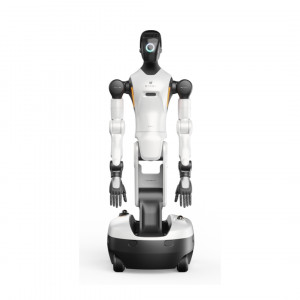
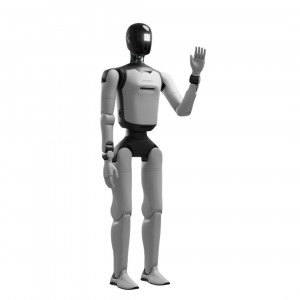
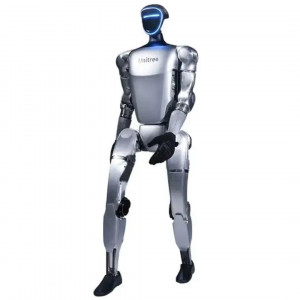
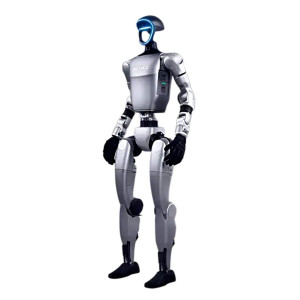
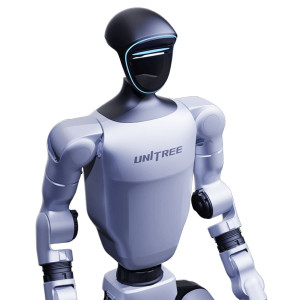
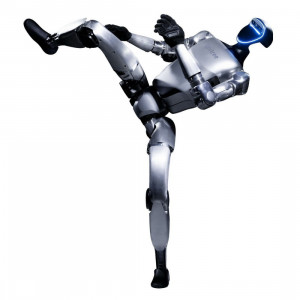
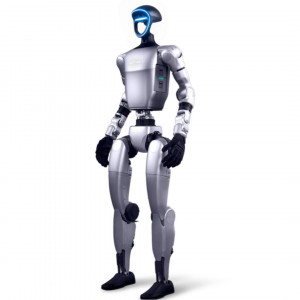
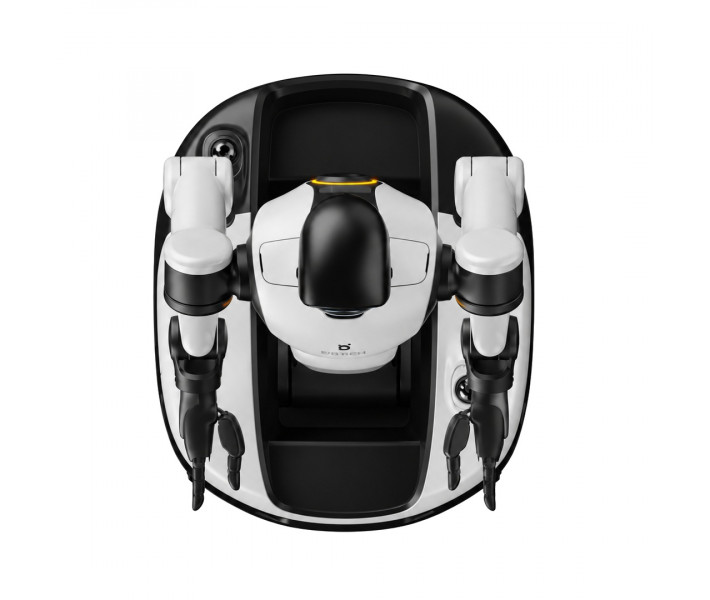
Wheeled Humanoid Robot AgiBot G2 for Production Operations
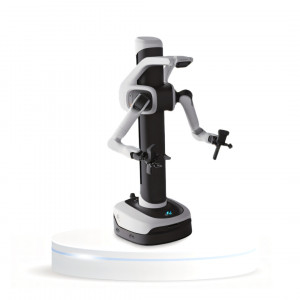
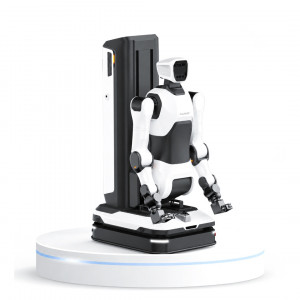
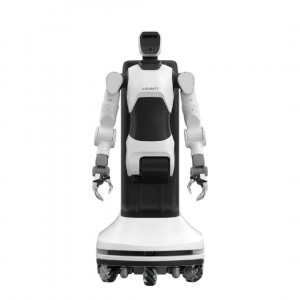
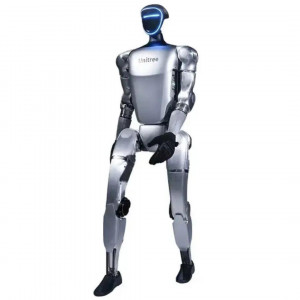
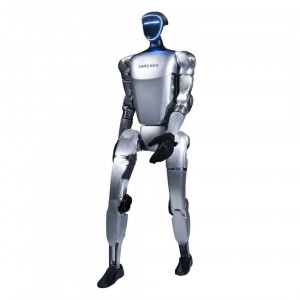
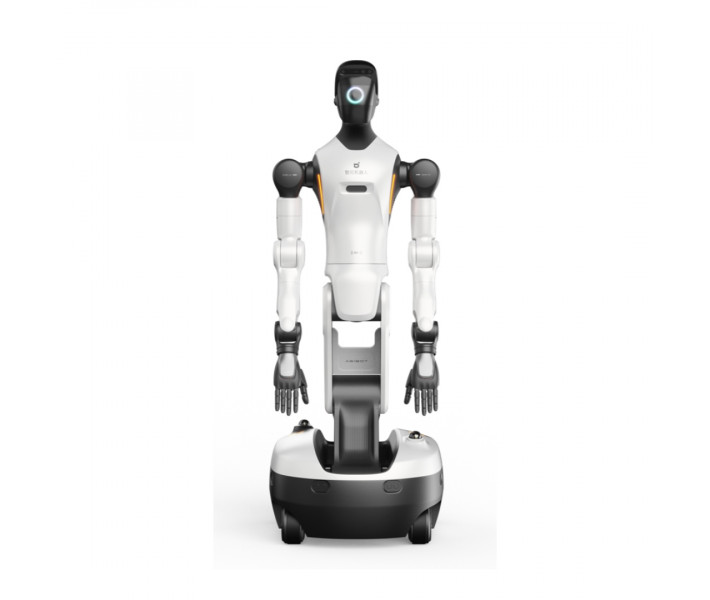
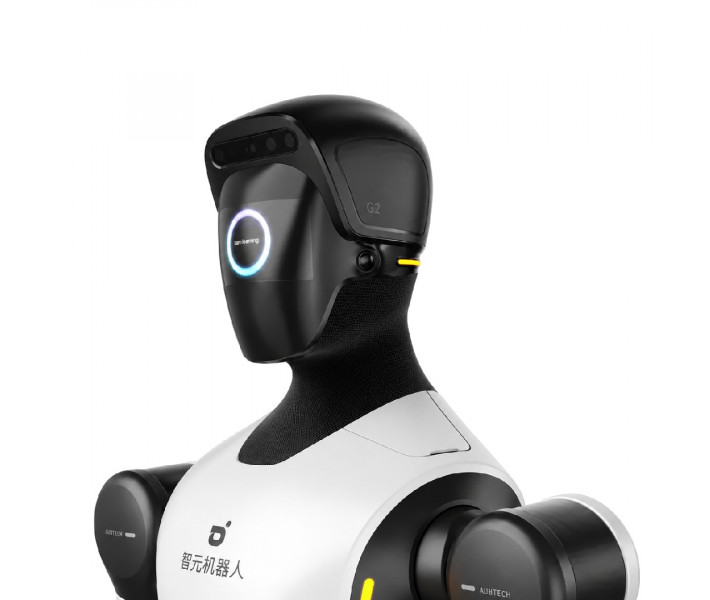
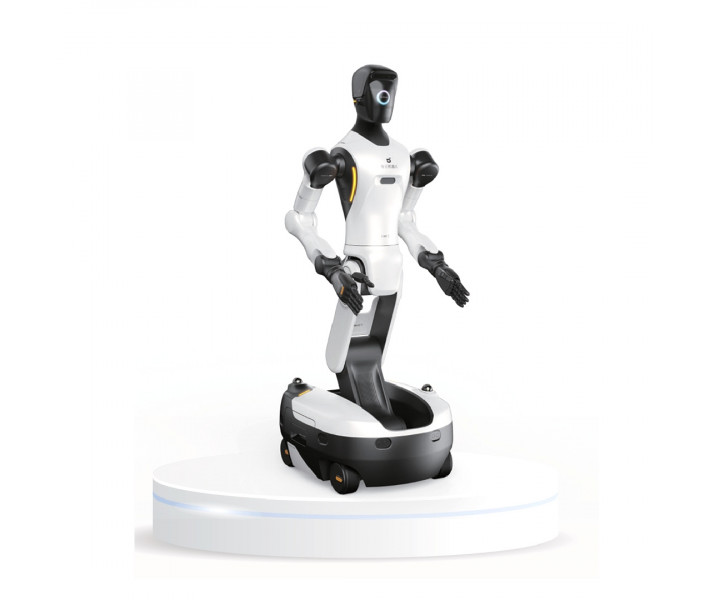
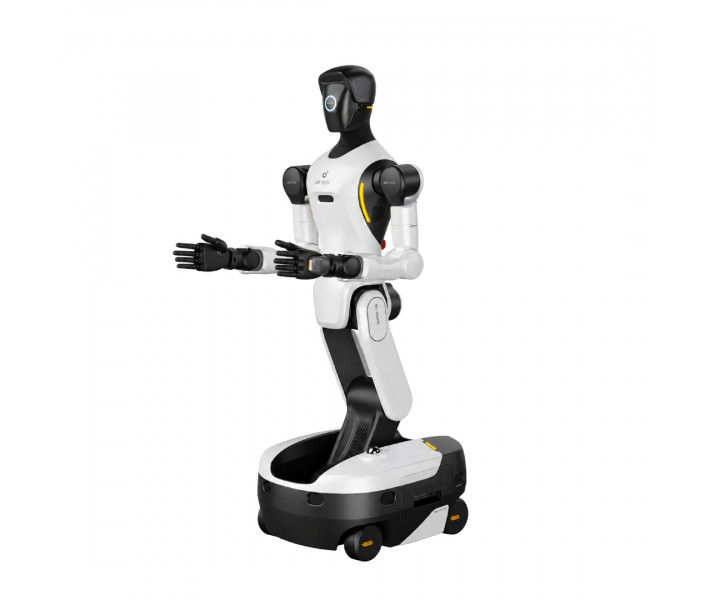
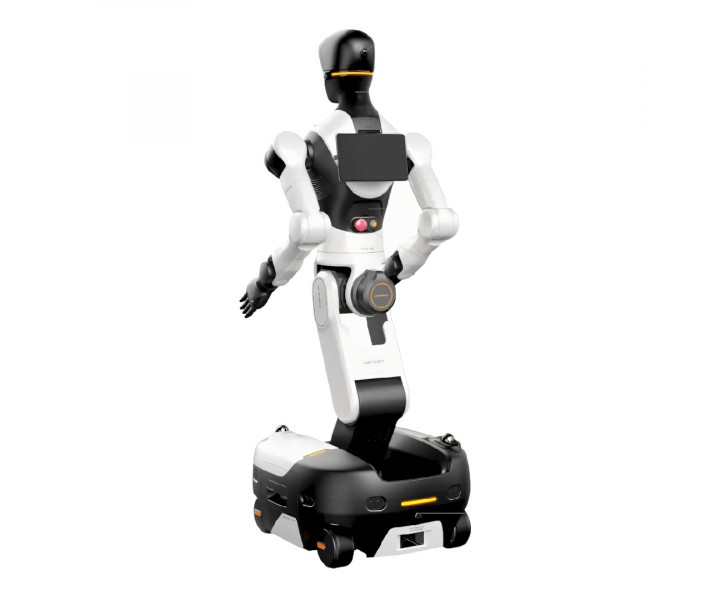
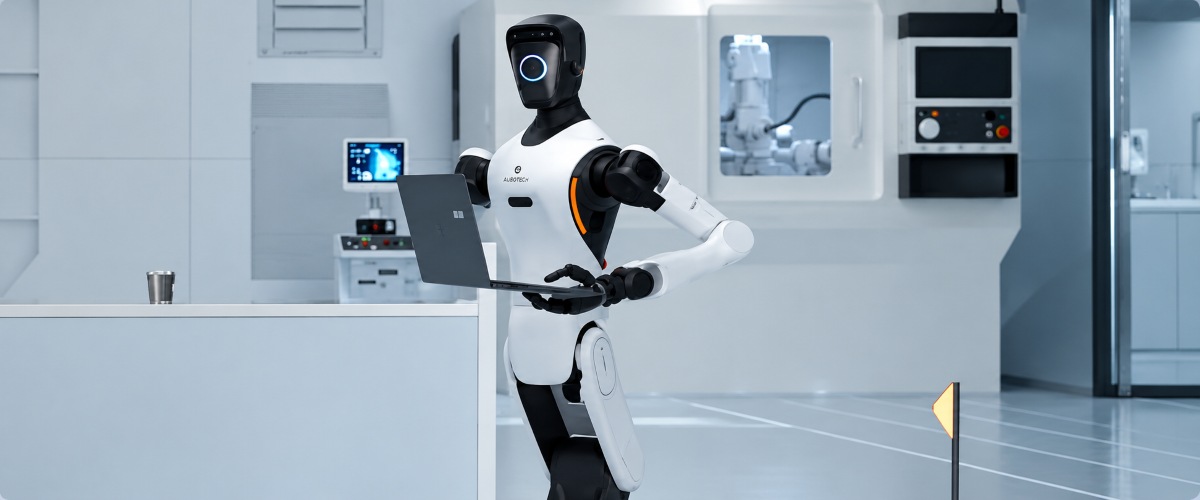
AgiBot G2 is a humanoid robot for automating operations with parts and production equipment. The robot has two 7-axis arms with force control. The design includes 26 degrees of freedom. A mobile four-wheel chassis is used for movement. Cameras, LiDAR, and ultrasonic sensors help determine the position of objects and detect obstacles. On the production line, G2 can supply material, precisely position it in the working position, and remove it after the operation is completed.
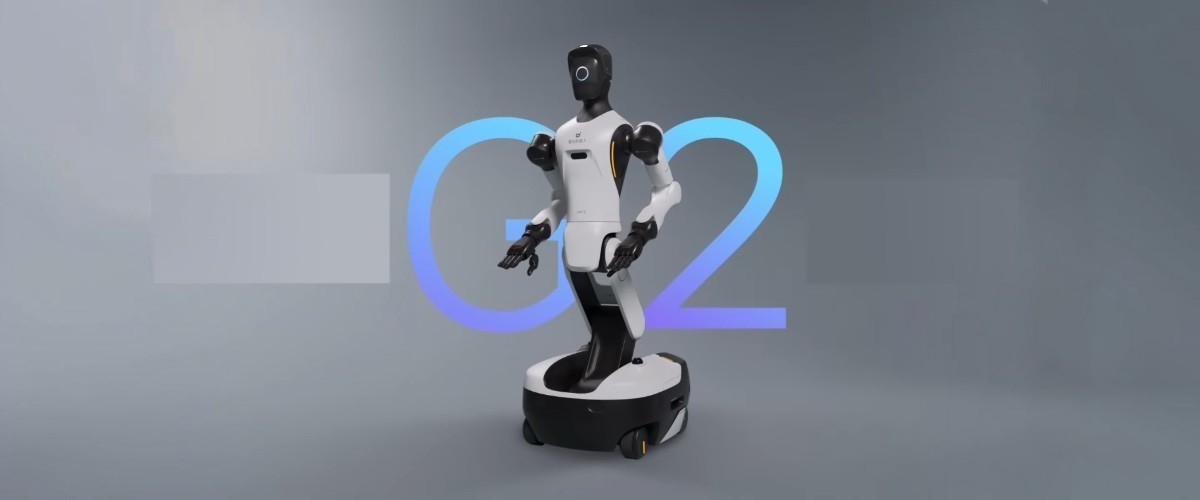
Advantages and Features of AgiBot G2
- Dual-arm force control. Both manipulators are equipped with joint-level force-torque control systems, ensuring precise part fitting, precision assembly, and safe operation in constant contact interaction with objects.
- Active and passive safety. The space control system combines three types of sensors. It helps detect obstacles, avoid collisions, and control contact when working near people and equipment.
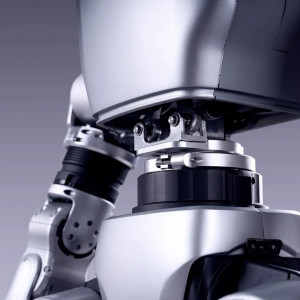
- 26 degrees of freedom and omnidirectional mobility. The G2 design has 26 degrees of freedom for body and manipulator movements. The four-wheel controlled chassis supports omnidirectional movement between working positions.
- Force control and sub-millimeter precision. The manipulators have 7 degrees of freedom and torque control in the joints. The system supports sub-millimeter precision when working with parts and precise alignment operations.
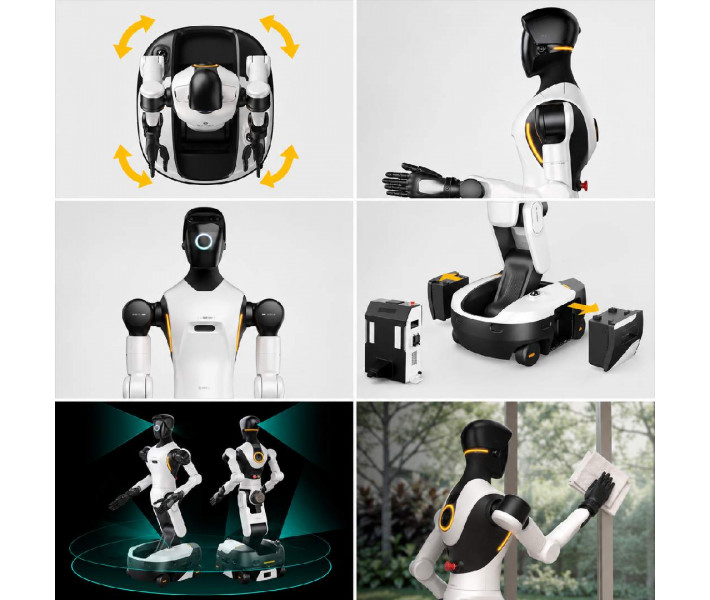
- Multivector mobile platform. The four-wheel chassis provides movement in any direction (forward, backward, sideways, and diagonally) without turning the body itself, allowing free maneuvering between working positions at a maximum speed of up to 1.5 m/s.
- Visual adaptive positioning. The optical system captures the spatial position of material resources and their stacking condition with automatic trajectory correction and final orientation of parts before installation.
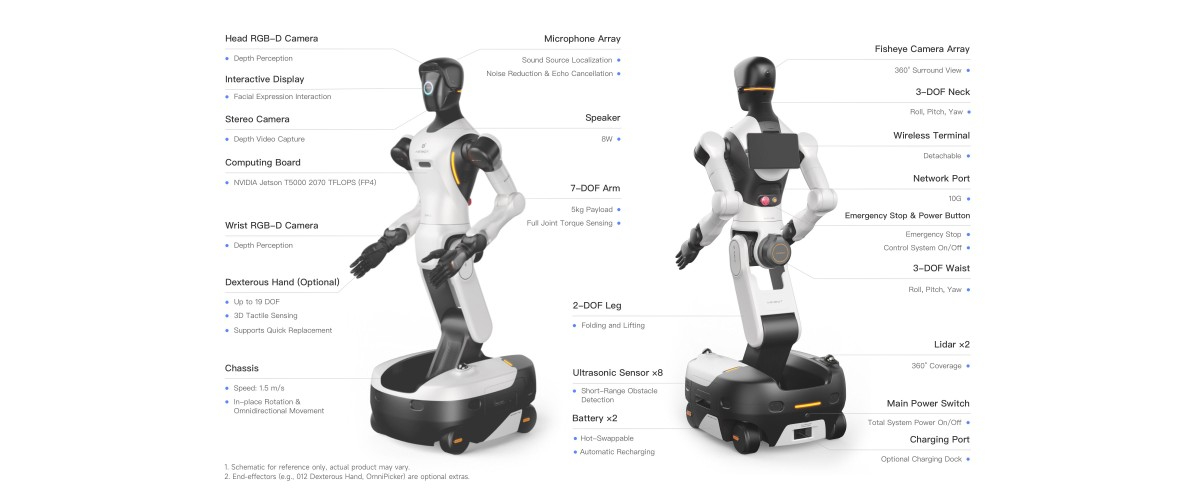
- High-performance computing complex. The possibility of equipping with an NVIDIA Jetson Thor T5000 module with a performance of up to 2070 TFLOPS for FP4 format calculations provides local processing of multimodal artificial intelligence algorithms, control logic, and analytical data in real-time.
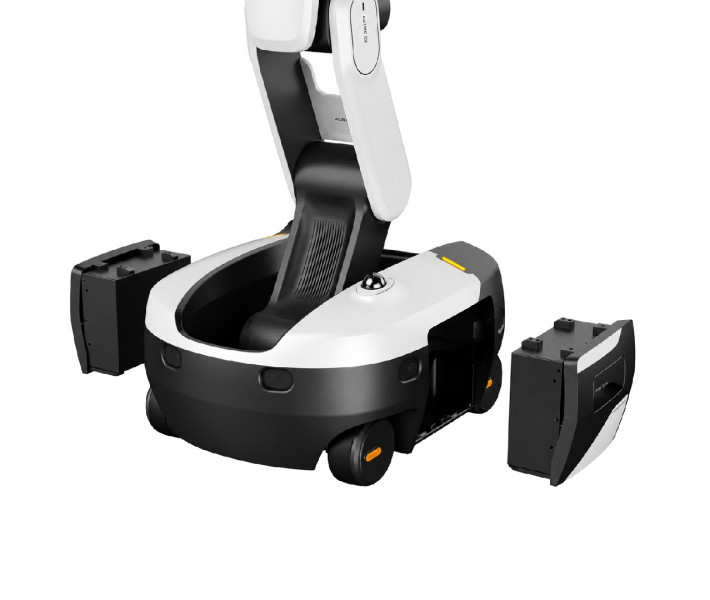
- Two hot-swappable batteries. The power system supports hot-swapping of batteries and autonomous charging. This allows reducing breaks between work cycles and organizing long-term robot operation.
Manipulators and Work Precision of AgiBot G2
The mobile platform AgiBot G2 has a four-wheel omnidirectional design. The robot can move forward, backward, and sideways, as well as maneuver near equipment and between working positions. During loading and unloading, G2 moves between the material supply area and equipment. After completing the operation, the robot moves to the material return area or the next working position.
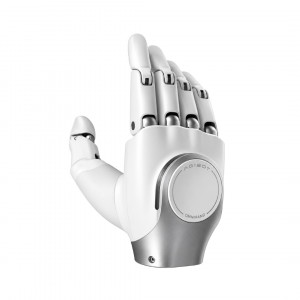
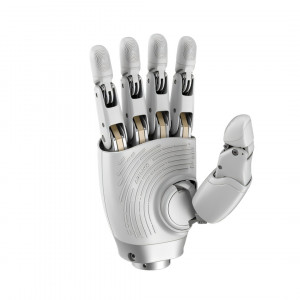
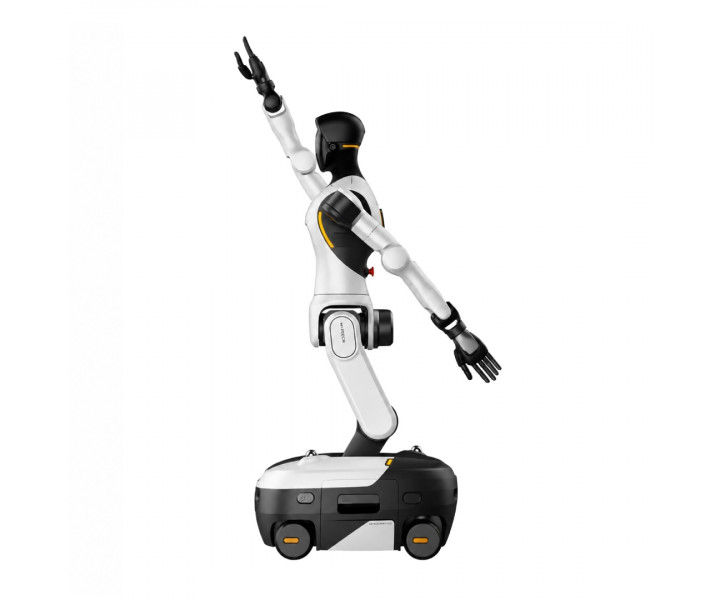
Each arm of AgiBot G2 has 7 degrees of freedom. The total allowable load for both arms is up to 10 kg. The arm span reaches 2.35 m, and the maximum working height is 2.3 m. This allows working with racks, trays, loading zones, and equipment at different heights. Force control is implemented on the joints of both arms. Manipulation precision is at a sub-millimeter level. For working with small components, G2 is compatible with AGIBOT OmniHand Series hands with 19 degrees of freedom. OmniHand is not included in the robot's basic configuration.
Machine Vision and Positioning of AgiBot G2
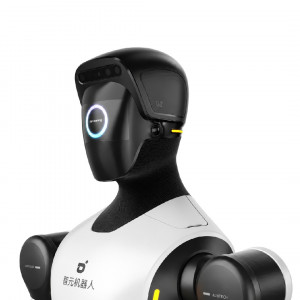
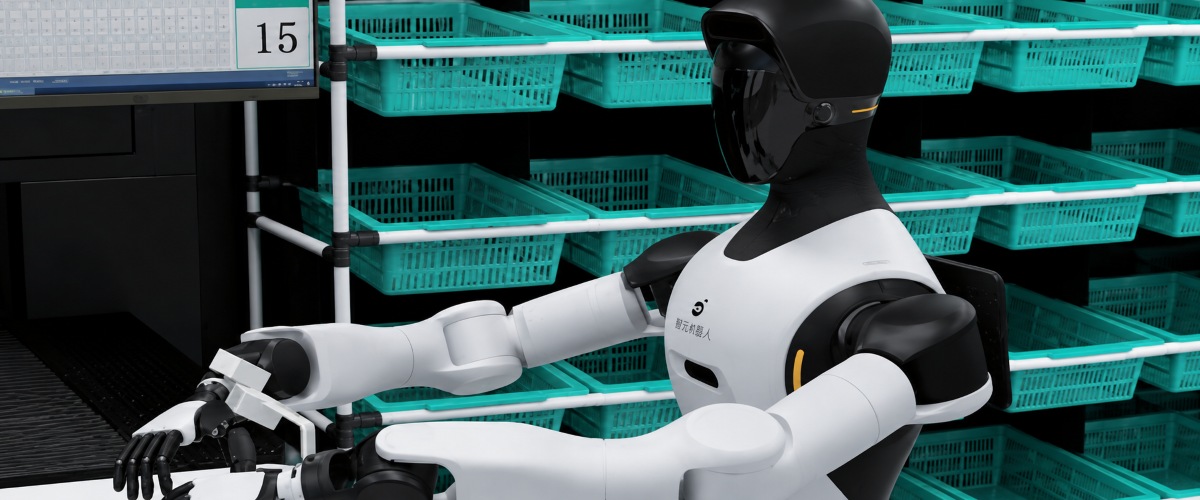
The cameras of AgiBot G2 determine the material, its position, and stacking method. The robot takes a separate part or container and moves to the equipment. The system recognizes the coordinates of the loading zone and adjusts the position before installation. This allows considering the actual location of the material and working position. After completing the operation, G2 removes the material from the equipment. Then the robot returns it to the production line, to the unloading zone, or moves to the next working position. Space control is performed by cameras, LiDAR, and ultrasonic sensors. They help the robot detect obstacles when moving between production zones.
Autonomy and Charging
AgiBot G2 operates on a battery system for over 4 hours. The total capacity is 1652 Wh, and full charging takes about 2 hours. The robot supports direct and autonomous charging, as well as battery replacement. The working temperature range is from 0 to 40 °C. The power system consists of two batteries and supports hot-swapping. This allows the battery to be replaced with minimal interruption between work cycles.
Safety During Operation
For space control, AgiBot G2 uses wide-angle cameras, LiDAR, and ultrasonic sensors. The system helps detect obstacles and control collision risk during movement. Force control of the arms allows more precise contact control with parts and equipment. The robot's body has an IP42 protection rating. The design uses components designed for industrial conditions.
Application Scenarios of AgiBot G2
- Loading production equipment. G2 determines the position of the material and takes it from the supply zone. After moving to the equipment, the robot places the material in the specified position.
- Unloading after operation. G2 removes the material after testing or processing. Then the robot returns it to the production line or to the unloading zone.
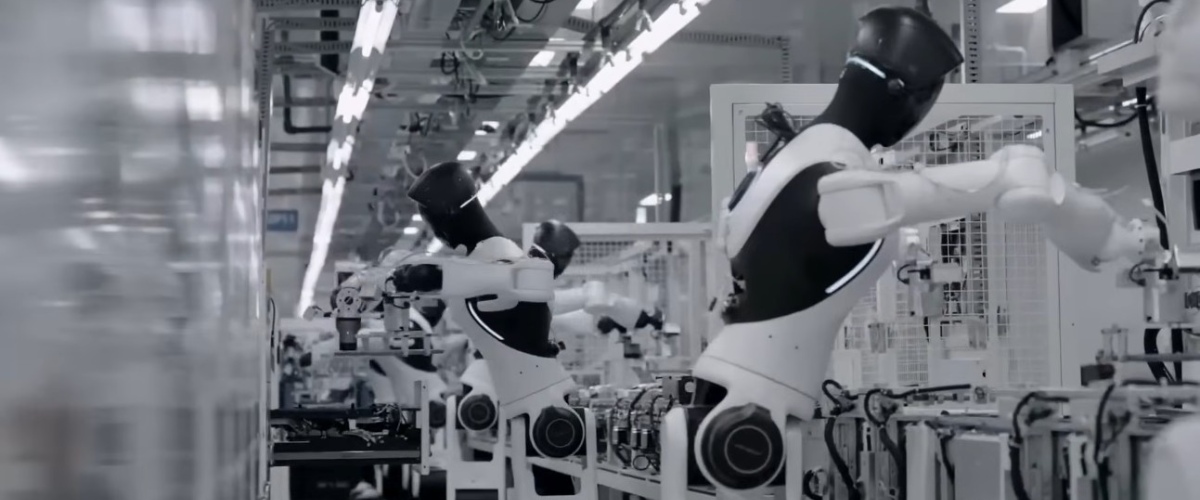
- Testing electronics. On the production line, G2 works with Genie Studio and performs precise loading and unloading of 3C electronics. The work cycle duration in this project is 18 s ± 2 s.
- Testing microchips. On the line, G2 robots supply and return trays between test stations. The system supports movement between equipment, autonomous navigation, and charging.
Configuration of AgiBot G2
The configuration of AgiBot G2 includes the main components and accompanying documents necessary for receiving and preparing the robot for work. The standard kit includes the following items:
- Robot body. Main module of AgiBot G2.
- Charger. For charging the battery system.
- Certificate of conformity. Document from the delivery set.
- Warranty card. Document for warranty claims.
- Configuration list. List of elements in the delivery.
- Tool kit. Tools included in the kit.
Technical Specifications of AgiBot G2
| Parameter | Value |
| Net size | 640 × 760 × 1 795 mm |
| Net weight | 185 kg |
| Maximum speed | 1.5 m/s |
| Total number of degrees of freedom | 26 |
| Number of batteries | 2 |
| Nominal load of one arm | 5 kg |
| Maximum working height | 2.3 m |
| Arm span | 2.35 m |
| Chassis | four-wheel |
| Computing platform | NVIDIA Jetson Thor T5000 |
| Computing performance | up to 2 070 TFLOPS FP4 |
| Operating time | 4 hours |
| Total battery system capacity | 1652 Wh |
| Power parameters | 100–240 V; charger output 54.75 V, 15 A |
| Wireless communication | Wi-Fi, Bluetooth, 4G/5G |
| Charging time | 2 hours |
| Working temperature | 0–40 °C |
| Operation precision | sub-millimeter |
| Secondary development | supported |
| Space control | cameras, LiDAR, ultrasonic sensors |
| Protection rating | body IP42; arms IP50 |
Order the Humanoid Robot AgiBot G2
AgiBot G2 is suitable for manufacturing enterprises, test lines, and system integrators who need a mobile humanoid robot for loading and unloading equipment, supplying materials, and working with trays and components. Our specialists can help select the configuration, check the working area, determine manipulation and movement requirements, and clarify connection conditions if necessary.