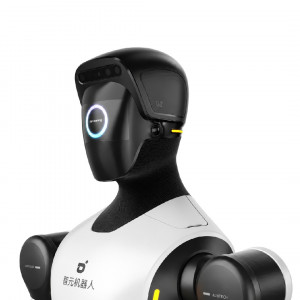


AgiBot X2 EDU for Practical Work with Humanoid Robotics
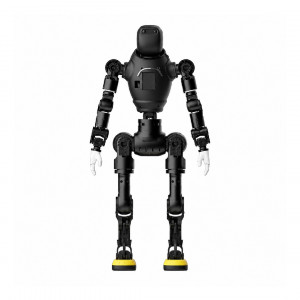
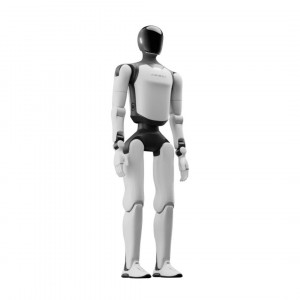
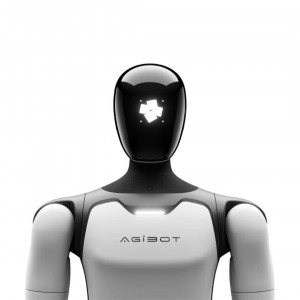
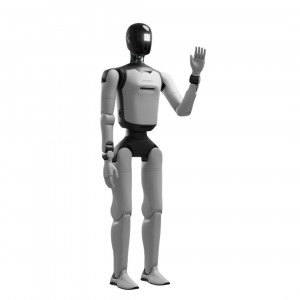
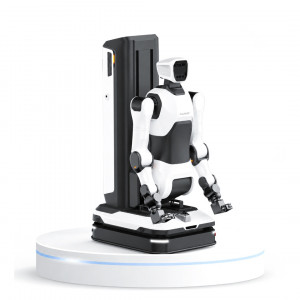
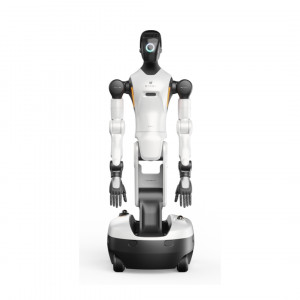
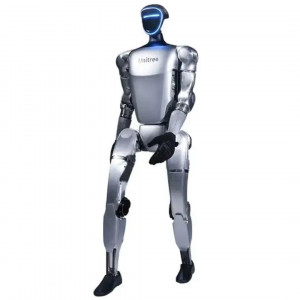
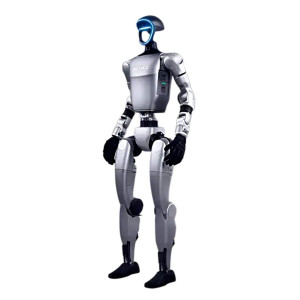
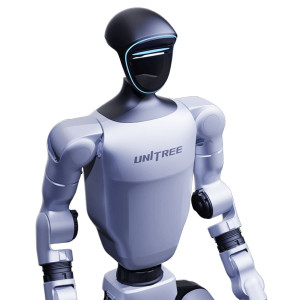
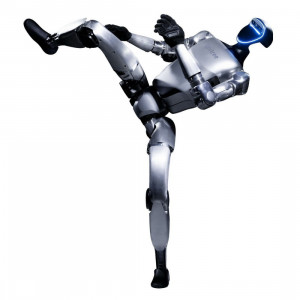
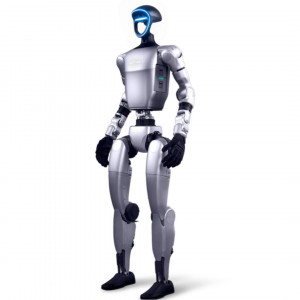
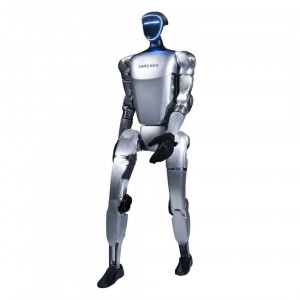
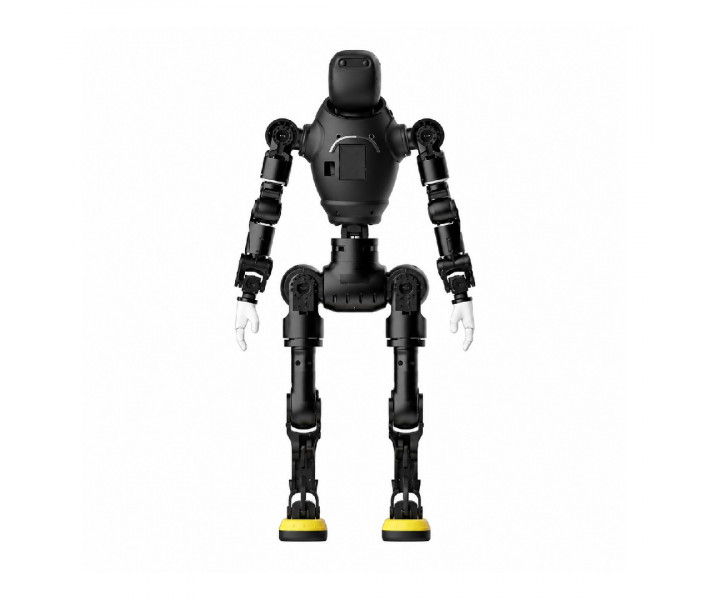
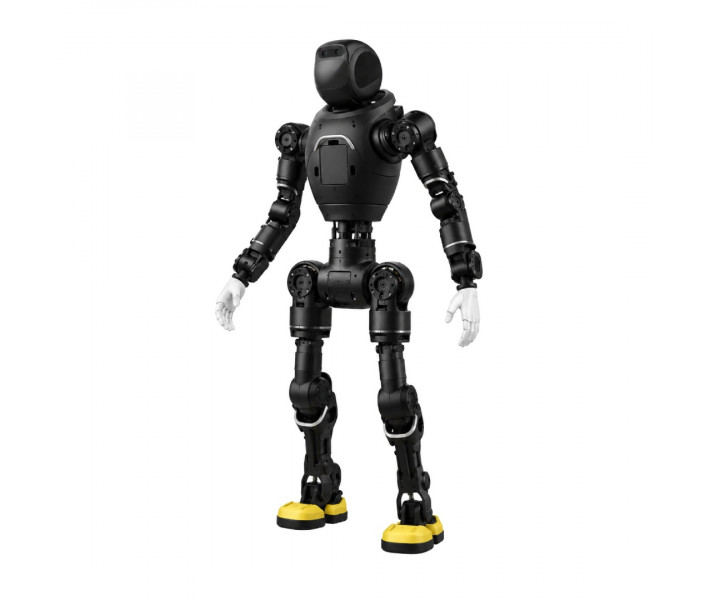
AgiBot X2 EDU — is a humanoid robot for universities, laboratories, engineering training, robotics competitions, and scientific research. The EDU version is designed as an educational and research platform for assembly, calibration, working with motion algorithms, and secondary development. The height is about 1.3 m, the design has 29 degrees of freedom, and the allowable load on the end effector reaches 3 kg. The modular design allows for disassembly and recomposition of nodes, connection of other end effectors, sensors, and additional computing modules.
Main Features of AgiBot X2 EDU
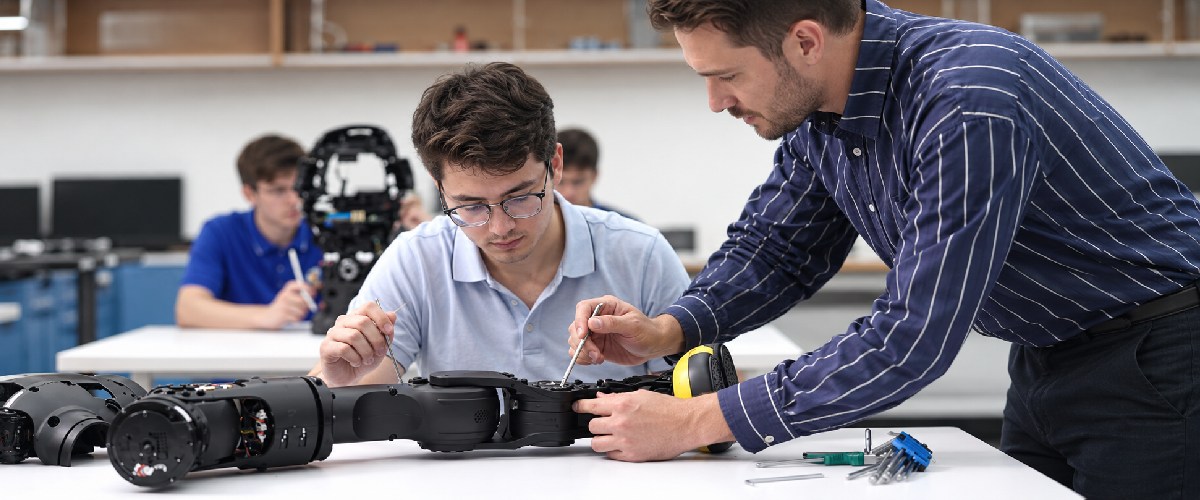
- Modular design. The platform provides direct access to the mechanical and electronic nodes of the device. Students and engineers can study the internal structure and principles of robot element composition in detail.
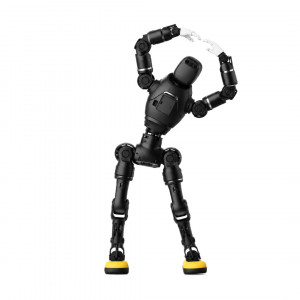
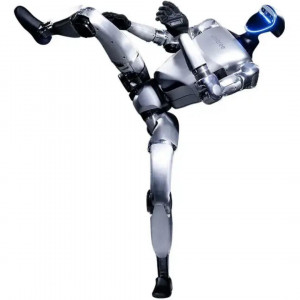
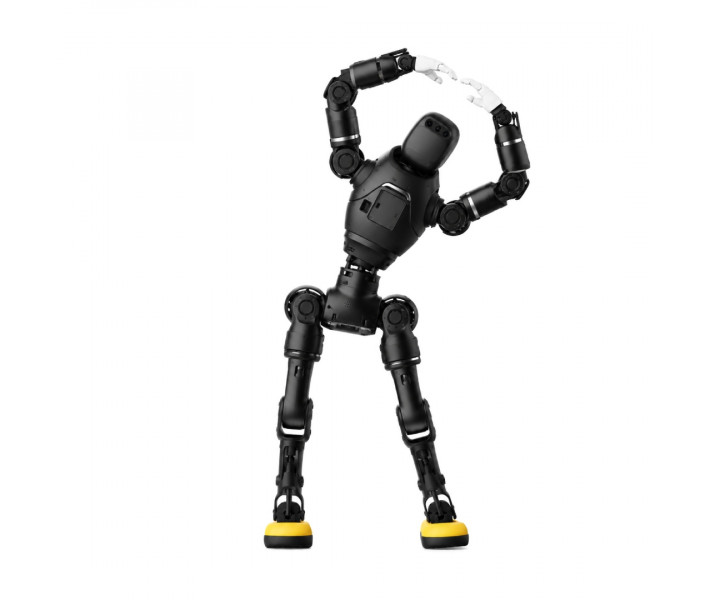
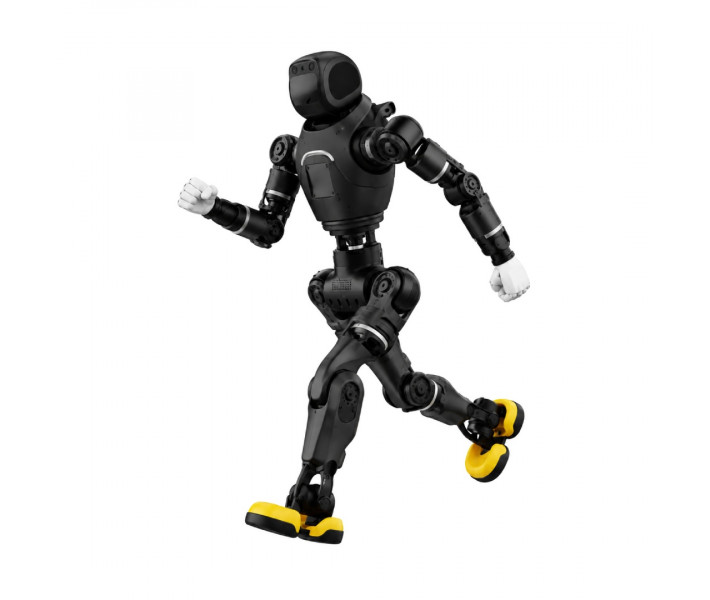
- Anatomical kinematics. The robot is suitable for conducting laboratory work on dynamic balancing and gait control. The design has 29 degrees of freedom for precise reproduction of body movements.
- Functional manipulators. The design of the arms allows for practicing the construction of complex trajectories and testing various end attachments. Each arm is equipped with 7 degrees of freedom and can withstand a load on the end effector of up to 3 kg.
- Open control interfaces. Developers have the opportunity to test their own motion algorithms directly on real hardware. The manufacturer provides open access to low-level control interfaces for secondary development.
- Hardware expandability. The platform configuration can be flexibly adapted to the requirements of a specific study. The model supports the connection of additional sensors, external manipulators, and computing blocks.
- Flexible peripheral connection. The robotic system allows for the integration of third-party modules according to the project's tasks. The device architecture includes expandable multisensor inputs, outputs, and computing capabilities.
- Practical engineering training. The platform is designed for performing the full cycle of technical maintenance of the device. The educational process covers tasks of assembly, calibration, debugging, and fault diagnosis of nodes.
Design and Mobility of AgiBot X2 EDU
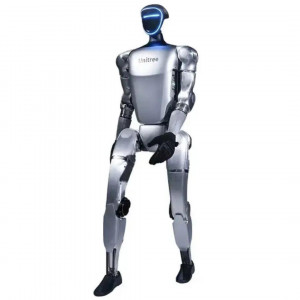
AgiBot X2 EDU has a humanoid design with a height of 1310 mm. The manufacturer specifies 29 degrees of freedom for the entire model, with 7 for each arm. The EDU configuration is designed for disassembly, reassembly, and reconfiguration of hardware nodes. This format is suitable for practical classes in mechanics, electronics, drives, calibration, and motion control.
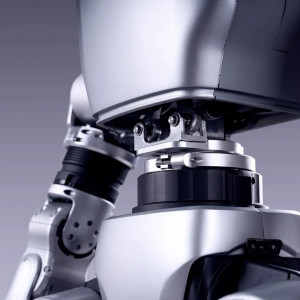
In the educational material, the leg is shown as a separate assembly module with a three-axis hip joint, knee drive with encoder, carbon shin frame, two-axis ankle joint, and anti-slip support pad. A separate official value for the number of degrees of freedom of the leg specifically for EDU is not provided in verified materials, so it is not calculated independently.
Manipulators and Working with Objects
Each X2 EDU arm has 7 degrees of freedom, and the allowable load on the end effector reaches 3 kg. These parameters allow for experiments with manipulator trajectories, hand control, and various end effector options. The hardware architecture allows for the connection of other end effectors according to the educational or research task.
Sensors and Perception System
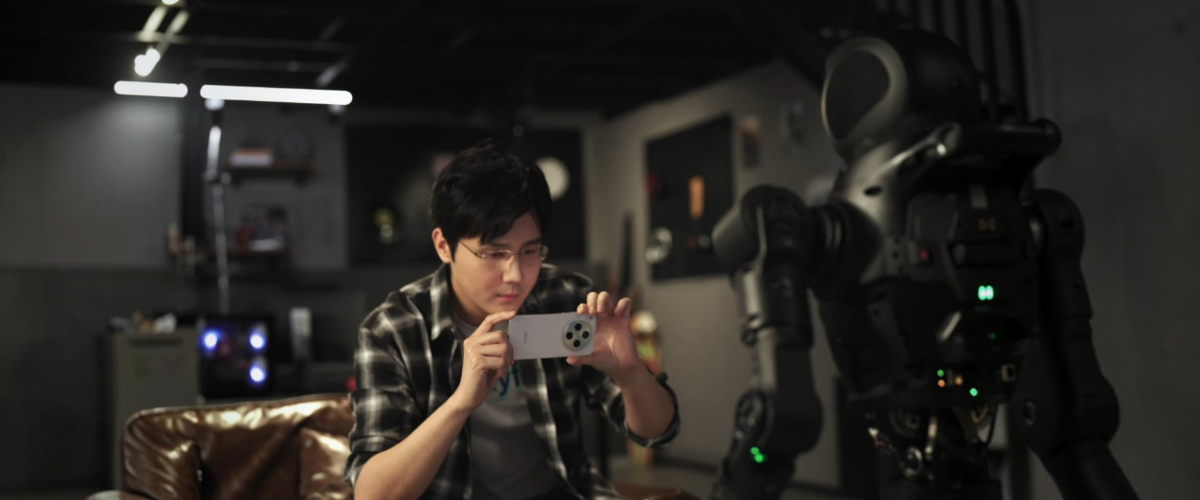
AgiBot X2 EDU supports the connection of additional sensors through open hardware interfaces. This allows for the formation of the necessary sensor configuration for specific laboratory research, data collection, and spatial perception tasks.
The overall hardware platform of the X2 series provides for the use of front and rear cameras, depth sensors, LiDAR, and IMU. The physical presence of sensors only provides primary data, while object recognition, localization, and navigation algorithms are configured or developed separately.
Programming and Secondary Development
The platform is oriented towards secondary development through open hardware interfaces and motion control protocols. The series architecture provides for the use of the ROS 2/MQTT bus, communication via Ethernet, Wi-Fi/5G, BLE, and a separate mode for debugging, as well as the connection of additional computing modules.
The X2 series provides an SDK and an official URDF model repository for simulation. The specific list of APIs, supported languages (Python, C++), and URDF content for the EDU version are determined by the current technical documentation of the chosen configuration.
AgiBot X2 EDU for Education and R&D
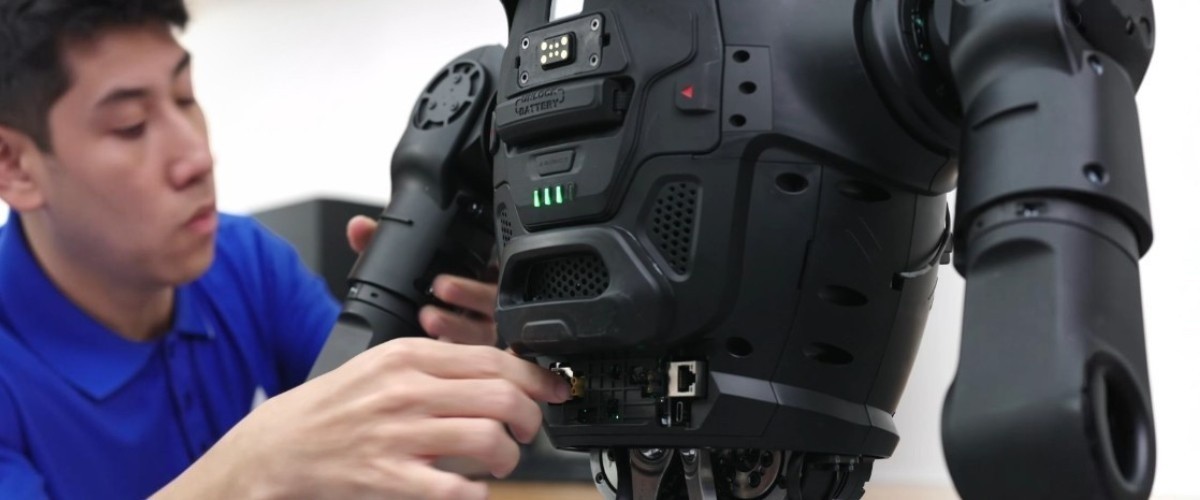
The EDU version is intended for practical study of mechanics, electronics, control systems, and humanoid robotics algorithms. The platform allows for the creation of practicums on node assembly, drive calibration, trajectory planning, and peripheral integration directly on real hardware.
For research R&D teams, the main capabilities are modular architecture, working with end manipulators, and connecting external computers. Machine learning scenarios and AI model training are implemented by creating custom software solutions.
Applications of AgiBot X2 EDU
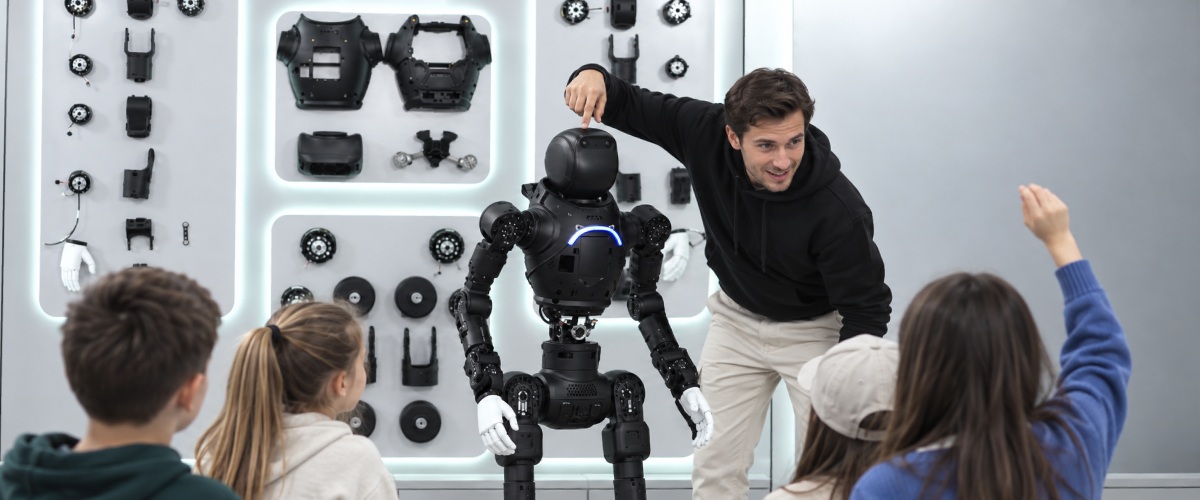
AgiBot X2 EDU is designed for education, scientific research, engineering training, and robotics competitions.
- Universities and technical educational institutions. Laboratory work in mechanics, electronics, control, and humanoid kinematics.
- R&D laboratories. Testing of own motion algorithms, hardware modules, and end effector configurations.
- Engineering training. Practice in assembly, calibration, diagnostics, and troubleshooting on real equipment.
- Robotics competitions. Development and testing of control scenarios for competitive and student projects.
- Manipulation research. Working with arms that have 7 degrees of freedom and selecting the end effector for a specific task.
- Sensor experiments. Connecting additional sensors through open hardware interfaces.
- Programming a humanoid robot. Working with motion control interfaces and custom algorithms within the available documentation.
Technical Specifications of AgiBot X2 EDU
Design and Movement
| Characteristic | Value |
| Net dimensions | 1310 × 460 × 210 |
| Net weight | 35 kg |
| Total degrees of freedom | 29 |
| Degrees of freedom of one arm | 7 |
| Degrees of freedom of the waist | 3 |
| Degrees of freedom of one leg | 6 |
| Maximum reach of one arm | 558 mm |
| Allowable load | up to 3 kg |
Hardware and Expansion
| Characteristic | Value |
| End effector | Standard demonstration hand |
| Optional gripper | OmniPicker |
| Computing module | RK3588 |
| Sensor | IMU |
| Sensor inputs and outputs | Multisensor |
| Computing part | Expandable |
| Hardware components | Available for modification |
| Motion control | Open low-level interfaces |
Power System
| Characteristic | Value |
| Battery voltage | 48 V |
| Battery capacity | 10 Ah |
| Charging time | up to 1.5 hours |
Training and Development
| Characteristic | Value |
| Purpose | Education, research, specialist training |
| Assembly and debugging | Supported |
| Educational kits | Available |
| Simulation materials | Available |
| Laboratory work | Supported |
Recommendations for Working with AgiBot X2 EDU
- Before laboratory work, fix the hardware configuration, connected sensors, and type of end effector.
- Divide classes on assembly, calibration, motion control, and peripherals into separate test scenarios.
- Before connecting your own sensor or computing module, check the power and data transfer requirements in the current documentation.
- Before purchasing for a university or laboratory, check the supply package and the list of additional modules.
Buy Humanoid Robot AgiBot X2 EDU
AgiBot X2 EDU is intended for universities, laboratories, engineering training, practical learning, and research projects in the field of humanoid robotics. Our specialists will help you choose the configuration for educational or R&D tasks, clarify the configuration, available modules, current price and delivery times, and place an order.