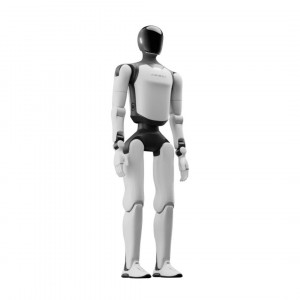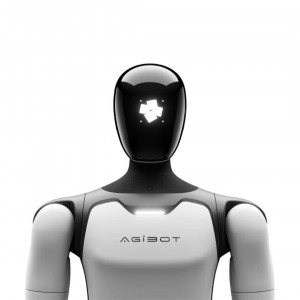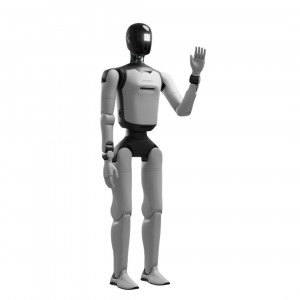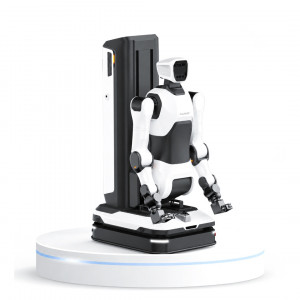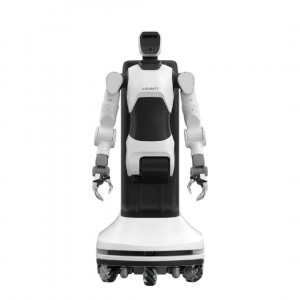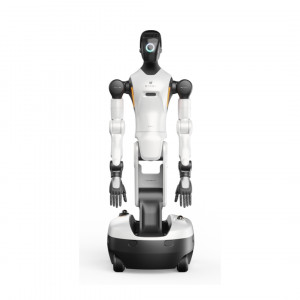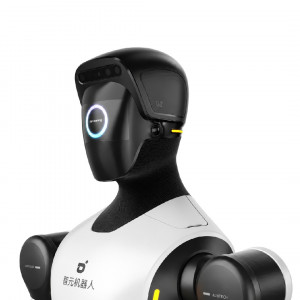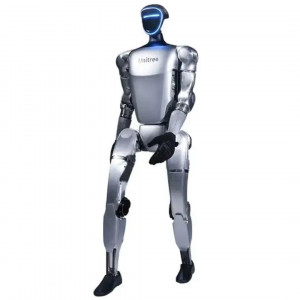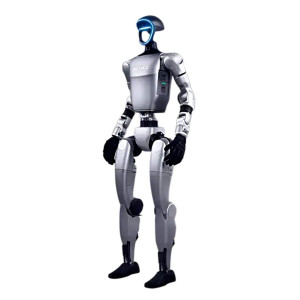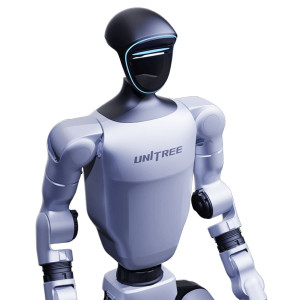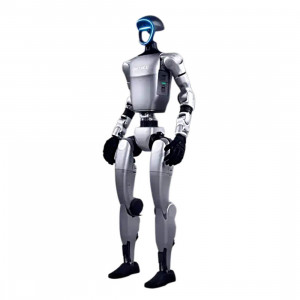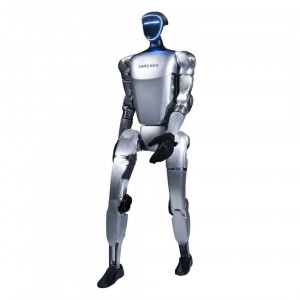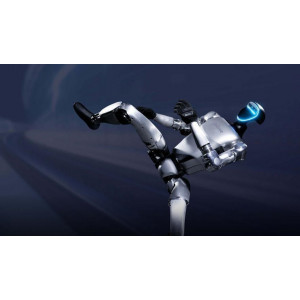
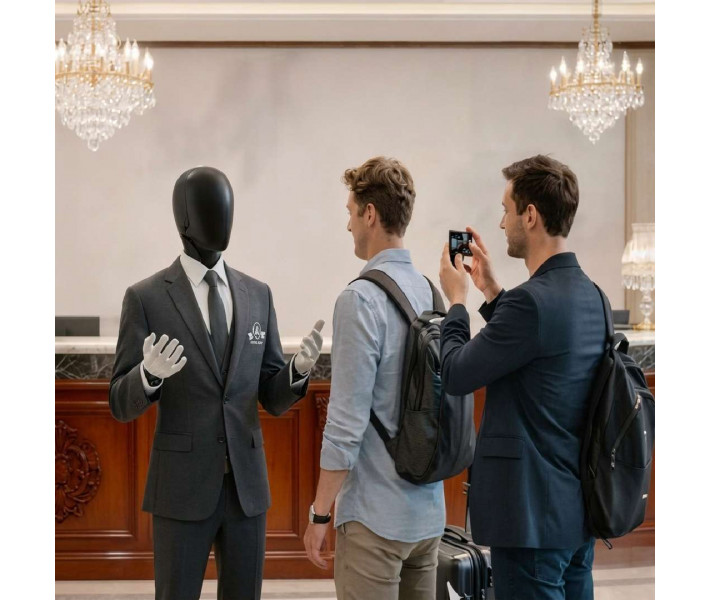
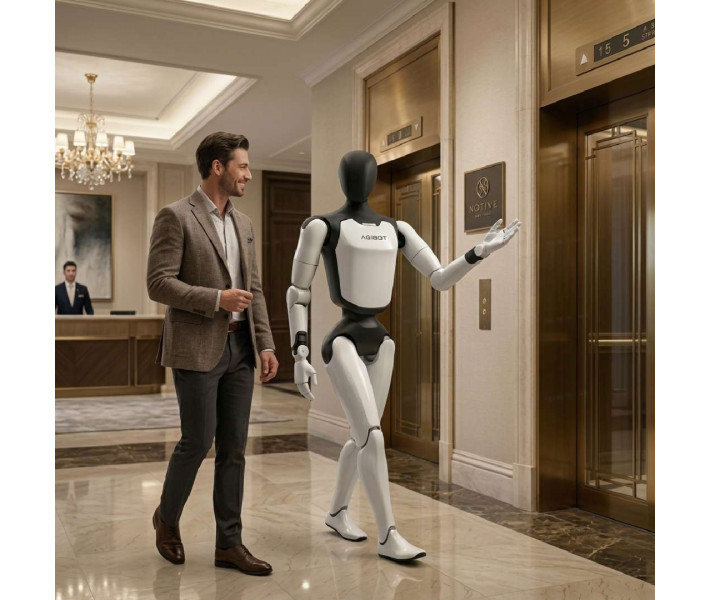


AGIBOT A3 humanoid robot for service and research tasks
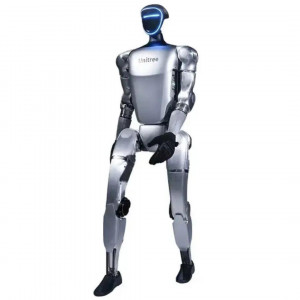
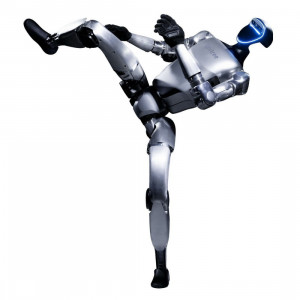
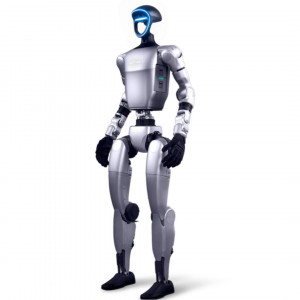
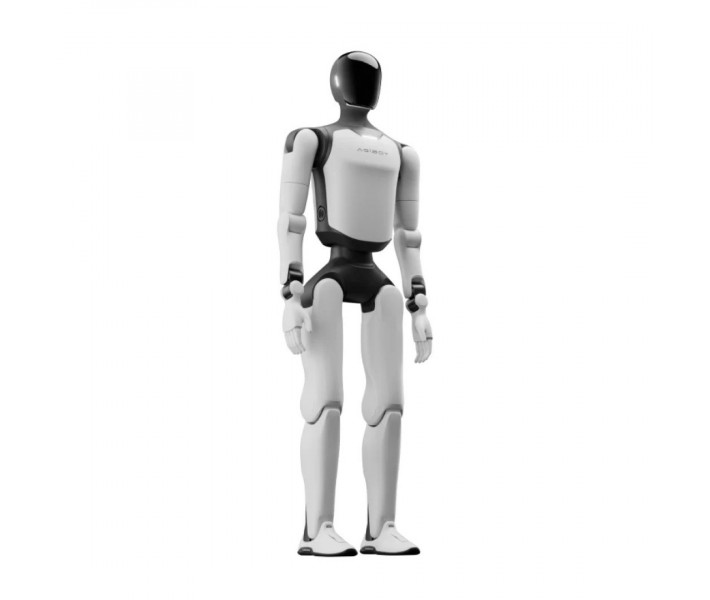
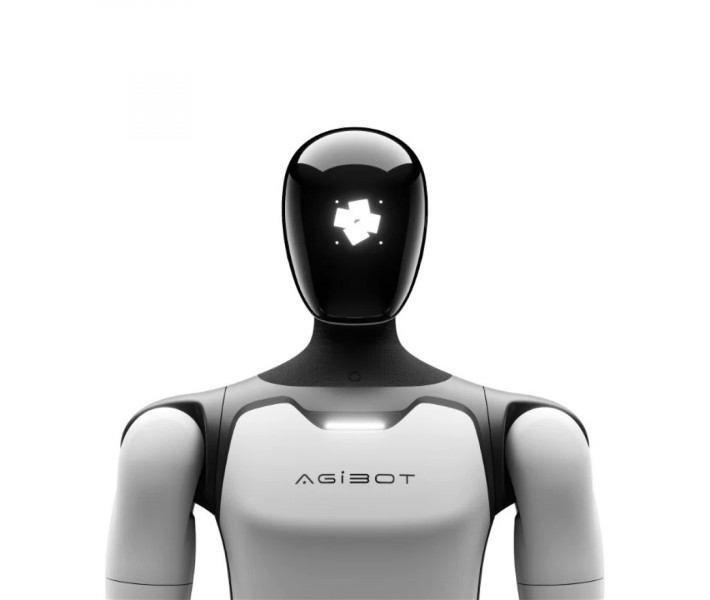
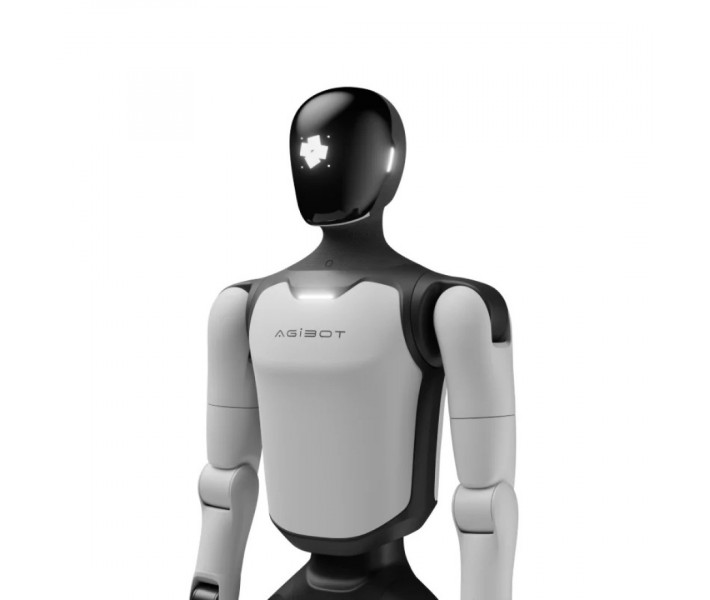
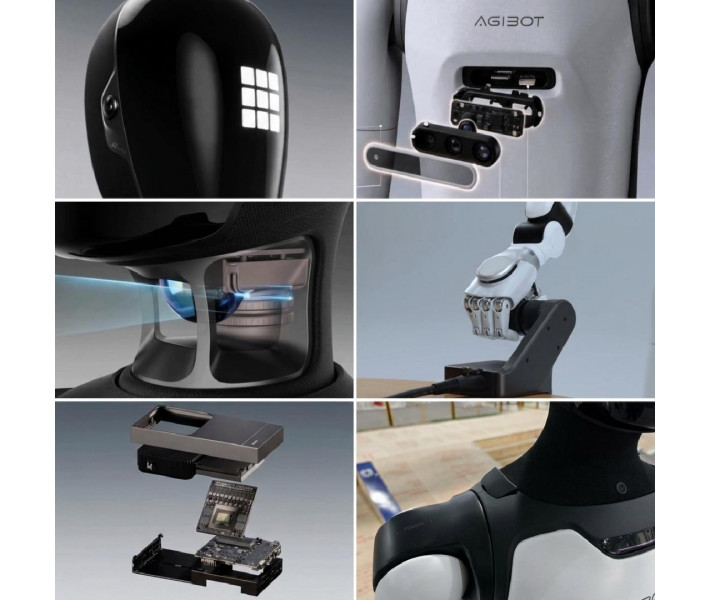
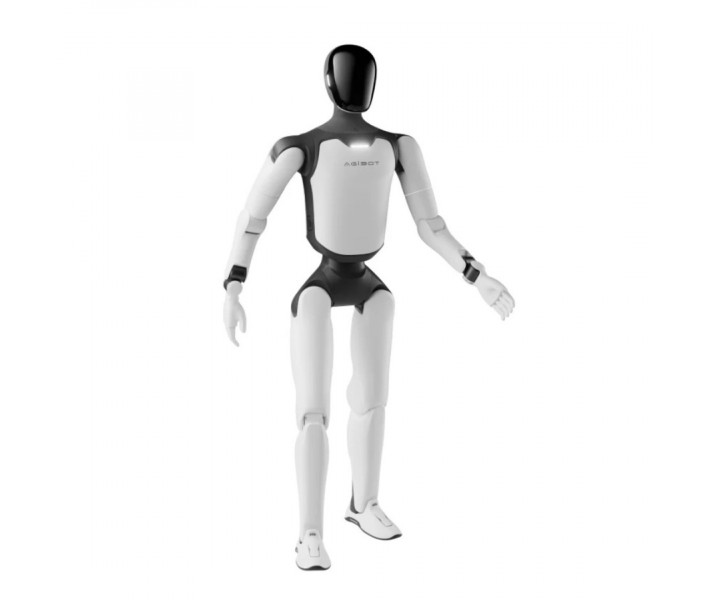
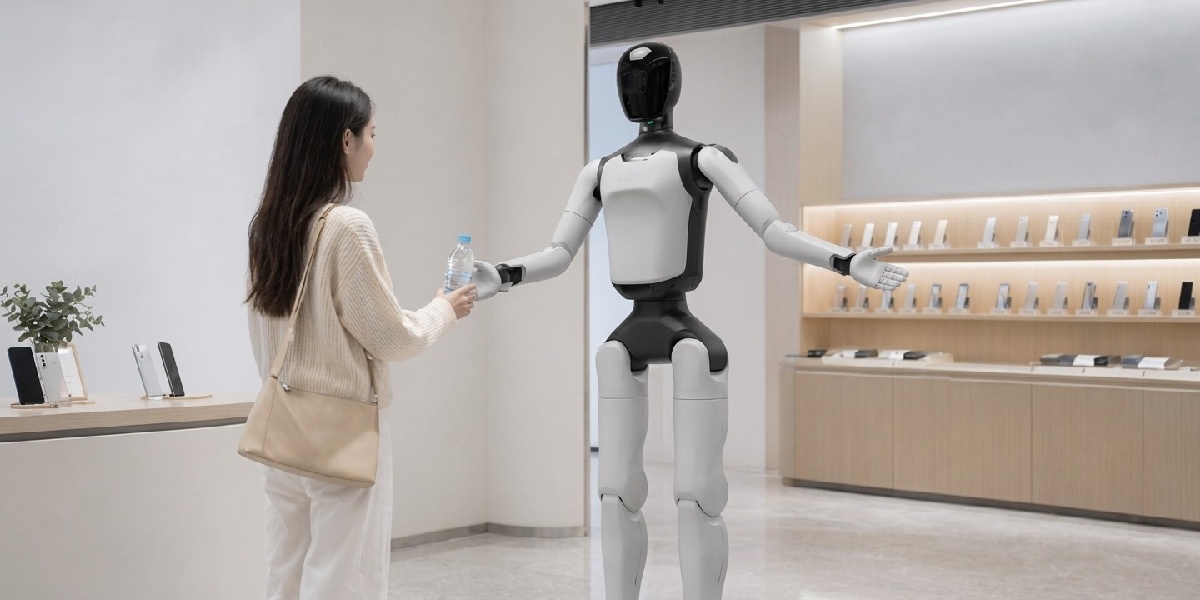
AGIBOT A3 — a full-sized humanoid robot with a height of 173 cm for service tasks, education, research, human interaction, and the development of intelligent robotic systems. The model weighs about 57 kg, has 31 active degrees of freedom excluding hands, and two arms with a payload of up to 5 kg each. The robot is equipped with a binocular RGB camera, GPS, UWB positioning, shoulder touch sensors, and an audio system for voice interaction. The dual-battery system with a capacity of 1152 Wh is designed for long autonomous operation in service, educational, and research scenarios.
Main advantages of AGIBOT A3
- 31 active degrees of freedom of the humanoid. AGIBOT A3 has 31 active degrees of freedom excluding hands, providing control of arms, legs, neck, and torso.
- Handling objects up to 5 kg with each hand. Manipulators allow operations with packaging, documents, and other objects within a given scenario.
- Autonomous movement and positioning. The robot supports navigation and obstacle avoidance, and the UWB system provides positioning accuracy of less than ±10 cm for a single robot.
- Up to 10 hours of autonomous operation. The dual-battery system has a total capacity of 1152 Wh and is designed for long work cycles.
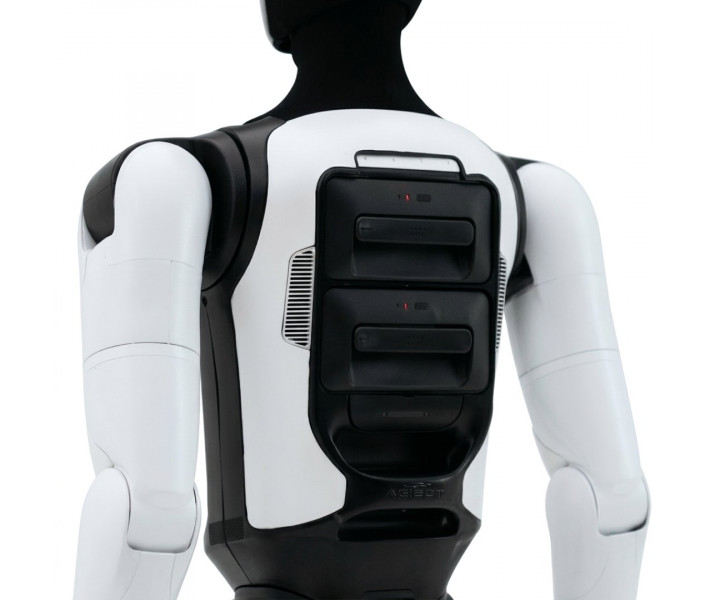
- Quick battery replacement. Hot-swapping the battery takes about 10 seconds, helping to reduce breaks between work sessions.
- Comprehensive user interaction. AGIBOT A3 is equipped with a binocular RGB camera, touch sensors, two arrays of 8 microphones each, and built-in speakers.
- Opportunities for custom software development. The platform supports secondary development, OTA updates, and the LinkCraft environment for creating custom motion and application scenarios.
Design and movement of AGIBOT A3
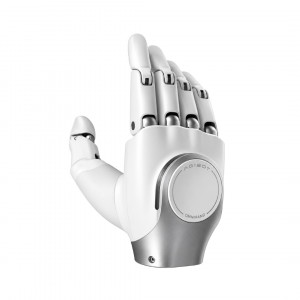
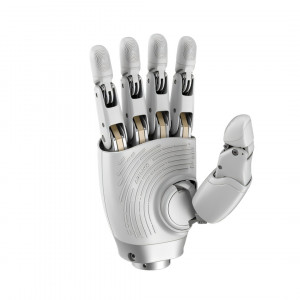
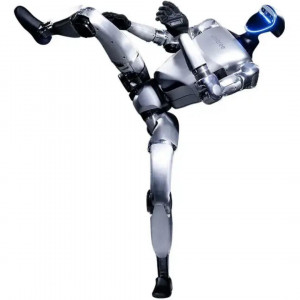
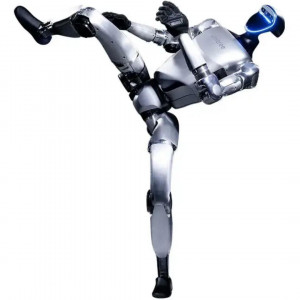
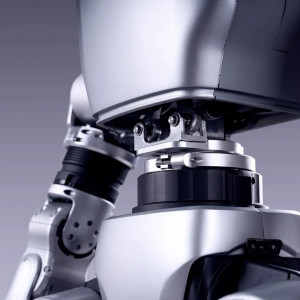
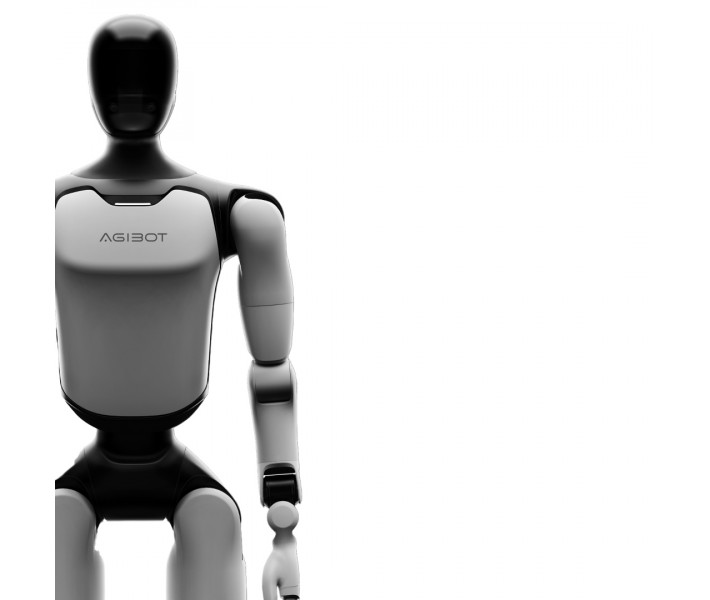
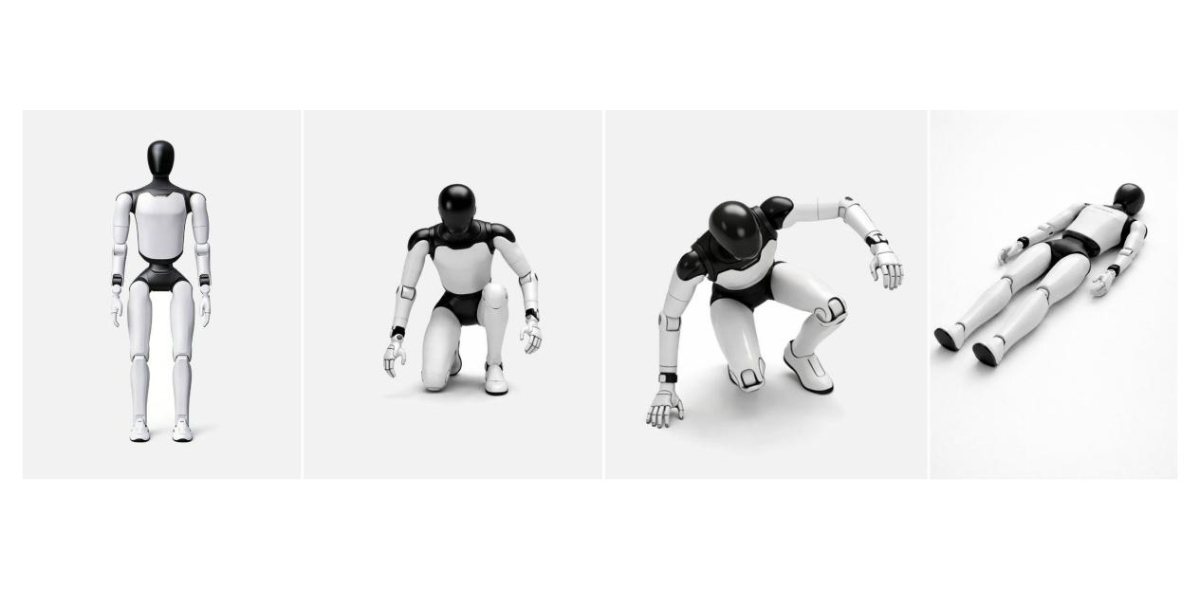
The full-sized humanoid robot AGIBOT A3 is 173 cm tall and weighs about 57 kg. The design uses magnesium and titanium alloys and flexible TPU materials. The kinematic system includes 31 active degrees of freedom excluding hands: 2 DOF in the neck, 7 DOF in each arm, 3 DOF in the waist, and 6 DOF in each leg. Depending on the configuration, functional hands with additional degrees of freedom can be installed.
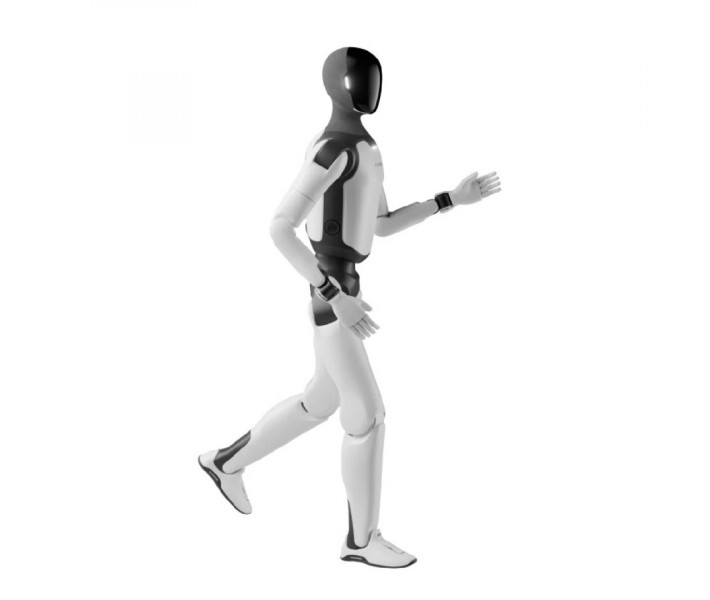
The nominal payload of each arm is up to 5 kg. The speed of the manipulator's end reaches 1 m/s with a load and 3 m/s without it, and the peak torque of the knee joint is 320 Nm. In standard mode, the movement speed does not exceed 1.2 m/s, the maximum speed for normal scenarios is up to 1.8 m/s, and in laboratory conditions — up to 2.5 m/s.
Cameras and navigation system of AGIBOT A3
For visual perception, AGIBOT A3 uses a binocular RGB camera with a resolution of 1920 × 1536 pixels and a frame rate of 30 fps. Positioning is performed using GPS and UWB, and the UWB accuracy for a single robot can be less than ±10 cm. The platform supports autonomous navigation and real-time obstacle avoidance.
For user interaction, shoulder touch sensors, front and rear arrays of eight microphones, and built-in speakers are provided. Wireless communication is ensured by Wi-Fi, Bluetooth, and 4G/5G mobile networks. 3D LiDAR, RGB-D cameras, panoramic RGB cameras, and GPS RTK are not part of the standard equipment of this AGIBOT A3 configuration.
Battery and autonomy time
AGIBOT A3 is equipped with a dual-battery system with a total capacity of 1152 Wh. The maximum comprehensive autonomy is up to 10 hours depending on the operating mode. Specifically, about 6 hours in standing mode and over 4 hours while walking are indicated.
The batteries support hot-swapping in about 10 seconds, allowing work to continue quickly with a spare set of batteries. Full charging takes no more than 2 hours at an input voltage of 110–220 V.
Computing system and software development
The computing architecture of AGIBOT A3 consists of two separate modules. The MDU is equipped with 16 GB of RAM and a 256 GB storage. The HDU is responsible for human-machine interaction and data processing from head systems and has 16 GB of RAM and a 128 GB storage.
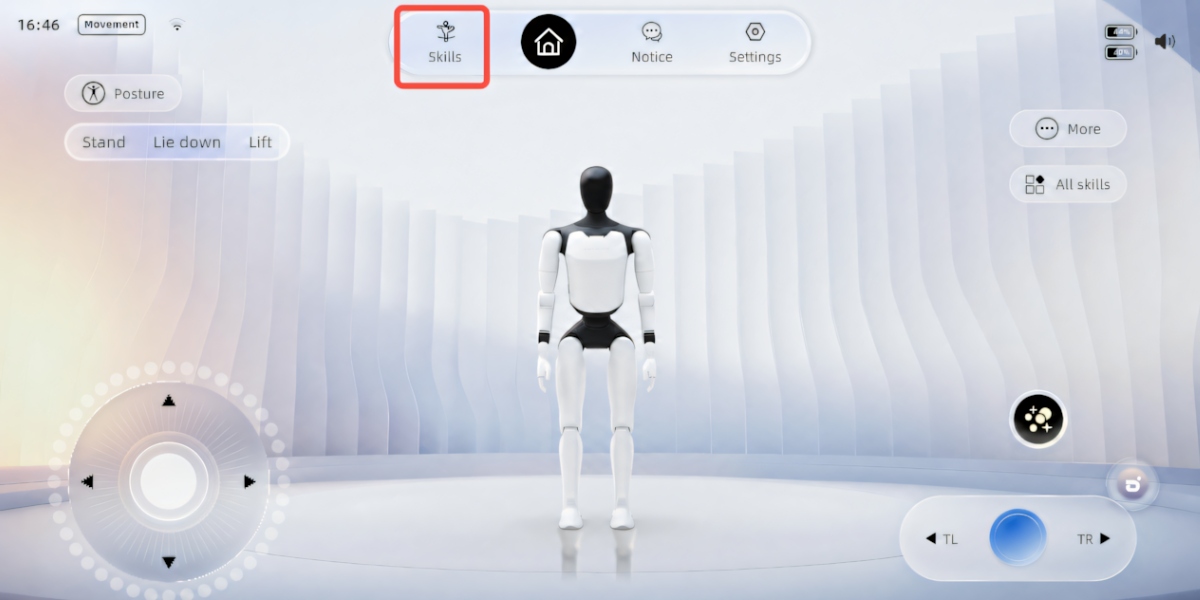
AGIBOT A3 supports secondary development, OTA updates, and the creation of custom motion scenarios. The LinkCraft environment is used for programming movements, and technical interfaces provide access to motion control, audio system, diagnostics, and other platform functions. This allows using the robot for research on locomotion, autonomous behavior, and the development of intelligent robotic systems.
Applications of AGIBOT A3
- Hotels and HoReCa. The robot can be configured to greet guests, provide information, escort to the reception, navigate, and perform other service operations.
- Offices. Possible scenarios include document delivery, working with objects, access cards, doors, and other elements of the office environment.
- Retail and restaurants. Manipulators and the interaction system can be used in projects for product demonstrations, shelf replenishment, pouring drinks, packaging, and service operations.
- Universities and R&D. A3 can be a hardware base for research on locomotion, navigation, computer vision, human-machine interaction, and humanoid robot control.
- Development of intelligent robotic systems. Open software interfaces and access to control systems allow testing algorithms where the software model controls the physical robot and responds to environmental events.
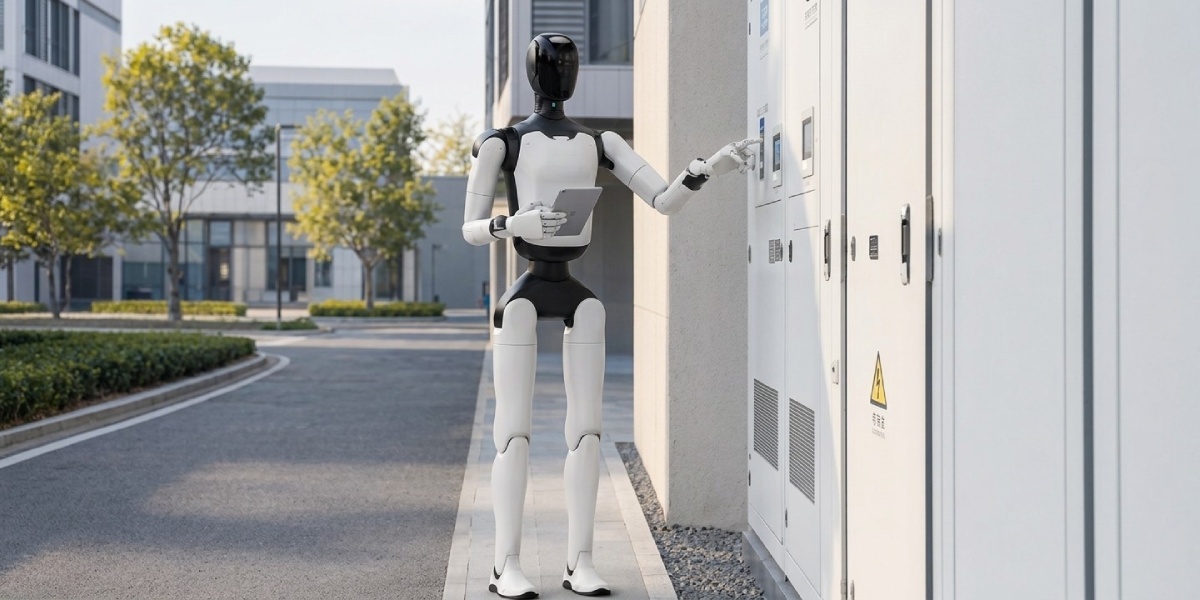
- Industrial research. Scenarios from the provided materials include pressing buttons, working with parts and cables, sorting, packaging, and moving items.
- Cultural and tourist sites. The robot can be configured for ticket verification, photographing visitors, navigation, and interaction with equipment.
- Demonstration and entertainment projects. A3 for commercial performances, interactive entertainment, themed venues, streams, and stage programs.
AGIBOT A3 package
The package of AGIBOT A3 depends on the chosen configuration, additional modules, and usage scenario. The exact delivery contents need to be clarified before ordering, as available components and accessories may vary.
Technical specifications of AGIBOT A3
Design and movement
| Parameter | Value |
| Degrees of freedom | 39 DOF |
| Distribution of degrees of freedom | Neck — 2 DOF; one arm — 7 DOF; waist — 3 DOF; one leg — 6 DOF |
| Load | 5 kg |
| Movement speed | 1.2–5 m/s |
| Net dimensions | 1730 × 520 × 300 mm |
| Net weight | 57 kg |
Camera and communication sensors
| Parameter | Value |
| Main camera | Interactive binocular RGB camera |
| Camera resolution | 1920 × 1536 |
| Frame rate | 30 fps |
| Positioning system | GPS, UWB |
| UWB positioning accuracy | less than ±10 cm for a single robot |
| Shoulder touch sensors | Yes |
| Audio system | Front and rear 8-microphone arrays, built-in speakers |
| Wireless communication | Wi-Fi, Bluetooth, 4G/5G |
| Remote control | Yes |
Power and computing system
| Parameter | Value |
| Power | 150 A / 12 kW |
| Battery | 1152 Wh |
| Comprehensive autonomy | up to 10 hours |
| Charging | 110–220 V; charging time ≤ 2 hours |
| Battery replacement | Supported |
| Computing module | 16 GB RAM, 256 GB storage |
| Debugging interfaces | USB Type-A 2.0; USB Type-C |
| Autonomous navigation and obstacle avoidance | Supported |
| Secondary development | Supported |
| OTA updates | Supported |
| Motion programming environment | LinkCraft |
Tips for choosing and implementing AGIBOT A3
- Choose the necessary hands. In the standard configuration, A3 has silicone hands. If the robot needs to pick up and move objects, appropriate functional hands should be selected.
- Specify the necessary sensors. LiDAR, RGB-D cameras, and RTK are not included in the standard equipment of A3. If they are needed for your scenario, they must be ordered separately.
- Consider the actual working time. Up to 10 hours is a general autonomy indicator, not the time of continuous walking. For long-term work, consider movement speed, load, and the availability of spare batteries.
- Check the possibilities for custom development. If you plan to create your own algorithms, clarify access to sensors, data, and control functions in advance.
- Prepare the workspace. The robot needs enough space for safe movement. Safe distance should also be maintained during operation.
Order AGIBOT A3
AGIBOT A3 is suitable for universities, research centers, R&D teams, enterprises, and system integrators who need a full-sized humanoid robot for research, embodied AI, autonomous navigation, service scenarios, or custom development. Our specialists will help you choose the configuration, clarify the necessary hands, sensors, and software capabilities, check equipment compatibility, and place an order.