

Robot Dog with SDK for Education and R&D
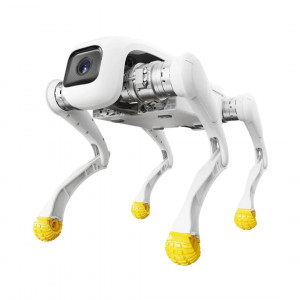
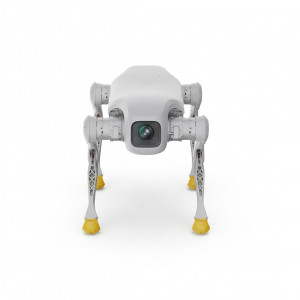
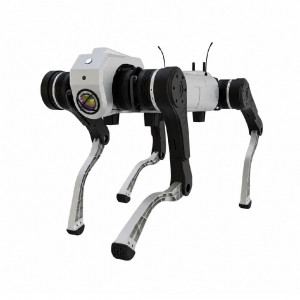
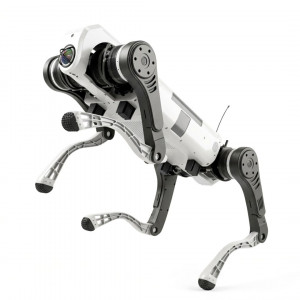
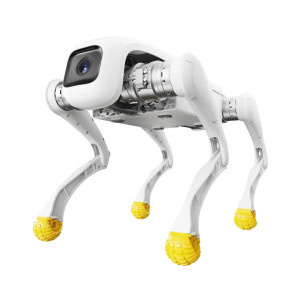
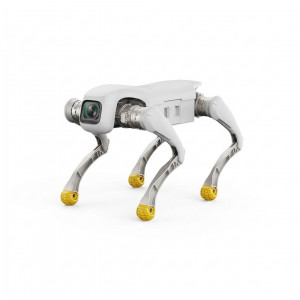
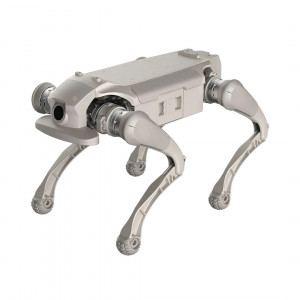
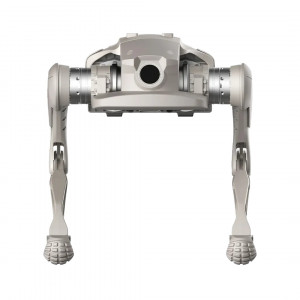
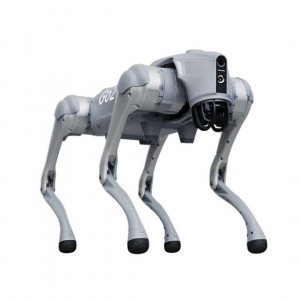
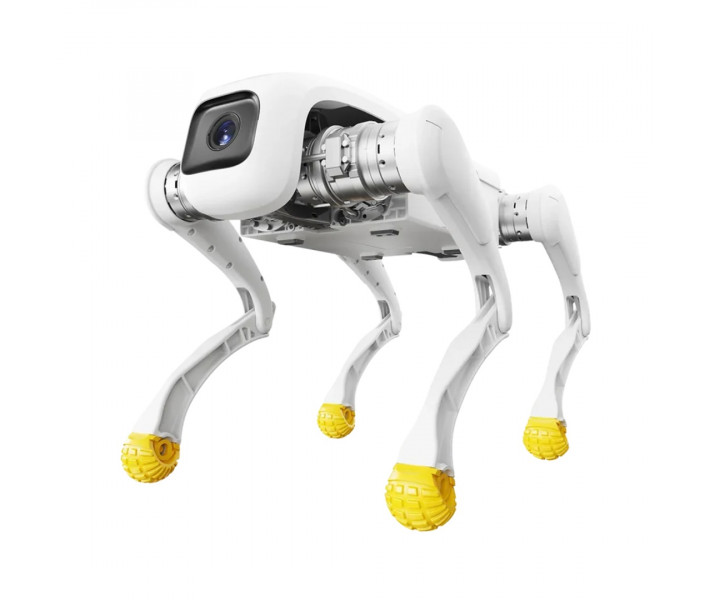
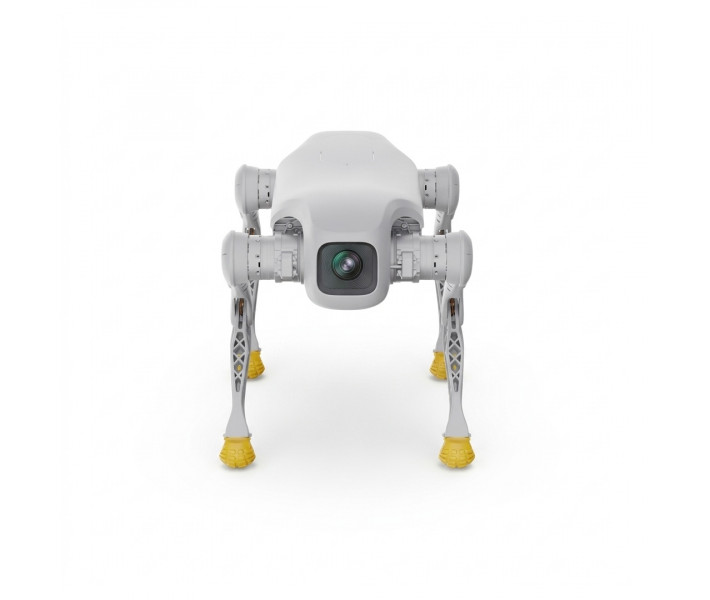
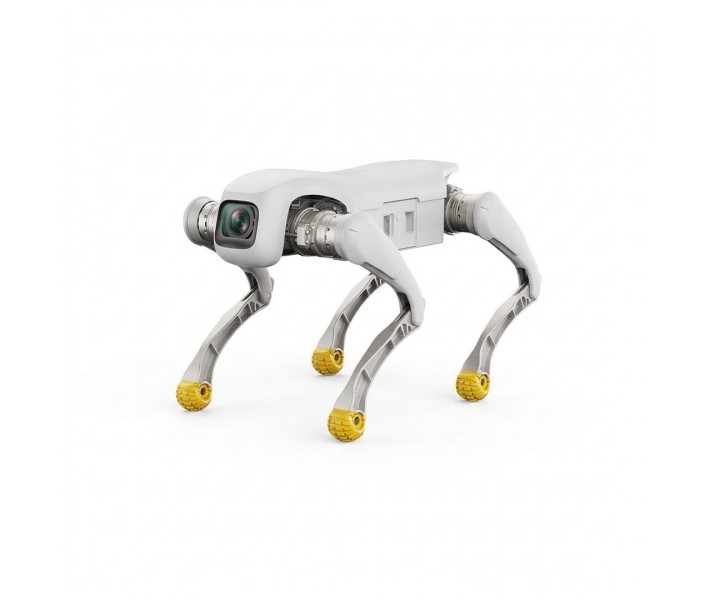
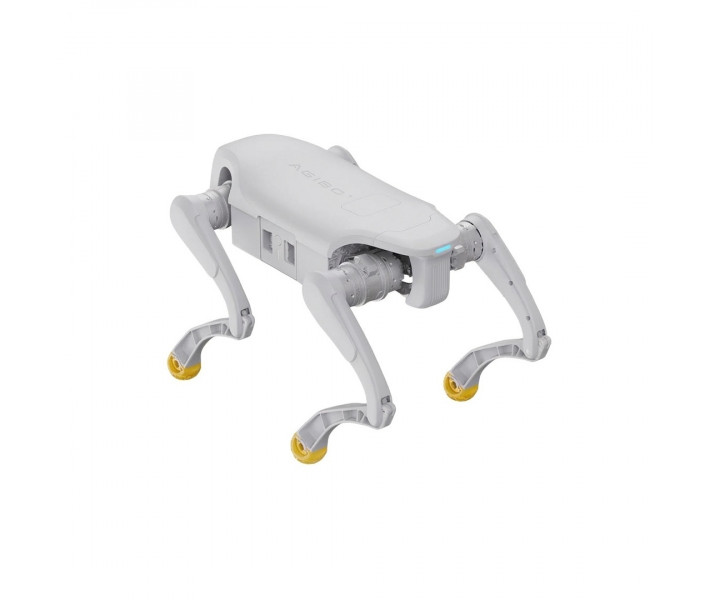
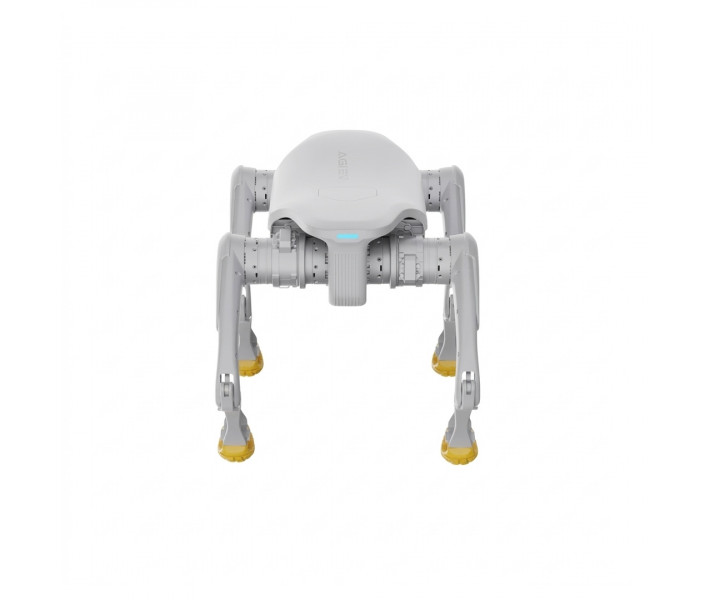
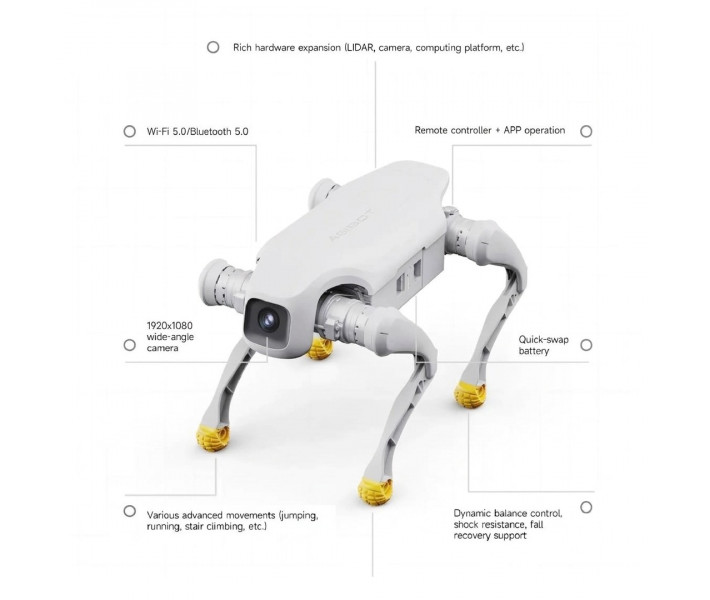
AgiBot D1 EDU — is a robot dog for universities, research laboratories, R&D teams, and developers, designed for education, experiments, and developing custom solutions in the field of mobile robotics. The platform has 12 degrees of freedom, supports SDK, and is equipped with interfaces for connecting external sensors and additional equipment. The robot can reach speeds of up to 3.5 m/s, operates with a load of up to 5 kg, and can overcome consecutive steps up to 16 cm high. Support for URDF model, NVIDIA Isaac Sim, and MuJoCo allows modeling work scenarios and testing algorithms in a simulation environment before deploying them on the physical platform.
Main Advantages of AgiBot D1 Edu
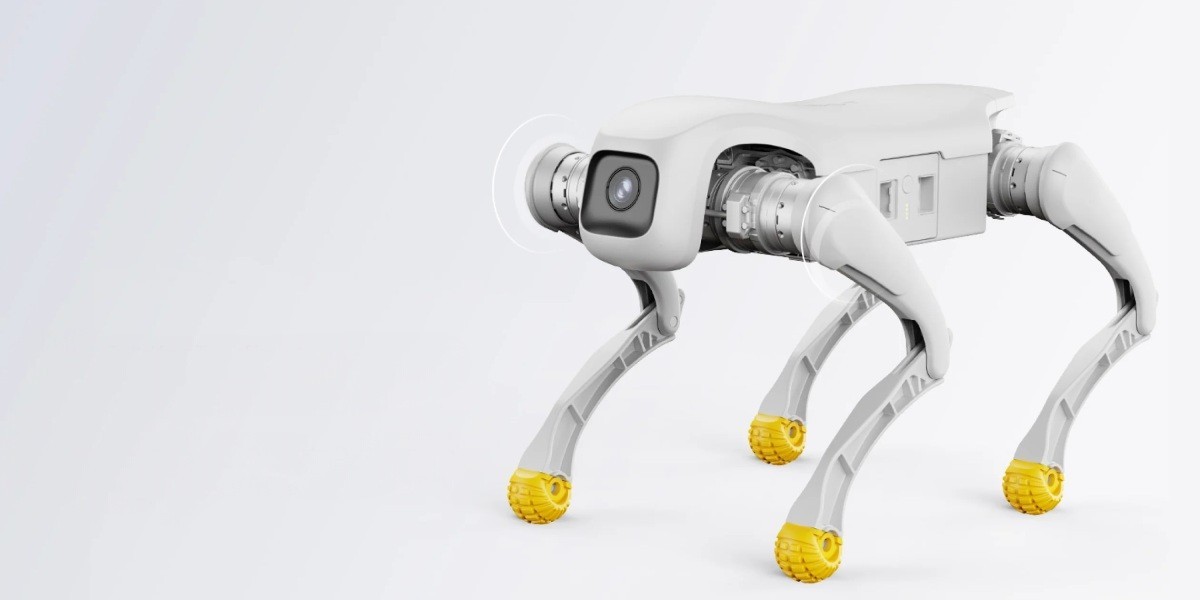
- Flexible control of each leg's movement. The robot has 12 degrees of freedom — 3 DOF per leg — and 12 precision joint mechanisms. This kinematics allows controlling the body position, gait, and special movements.
- High torque for active maneuvers. The peak torque of the joint mechanisms is up to 48 N·m. Dual encoder control does not require recalibration of the zero position during regular startup.
- Fast movement during testing and research. The maximum speed of AgiBot D1 Edu is up to 3.5 m/s. This is a limit indicator, not a constant movement mode.
- Stable movement on different surfaces. RL gait control helps the robot maintain balance, adapt movement to the terrain, and compensate for external disturbances. This feature is responsible for movement stabilization and is not a ready-made autonomous navigation system.
- Passability on routes with height differences. The robot can handle consecutive steps up to 16 cm, perform jumps up to 35 cm, and move on slopes with a maximum angle of up to 40°.
- Long-lasting operation on educational and research routes. The range is 6 ± 1 km, and the battery life is 1–2 hours. Charging the battery from 10% to 90% takes about 1 hour.
- Extended capabilities for custom development and education. D1 Edu supports SDK, URDF model, Isaac Sim, and MuJoCo for creating and testing custom algorithms. Ethernet, USB, Power Port, SBUS, and UART are available for connecting additional equipment.
Platform for Education and Research
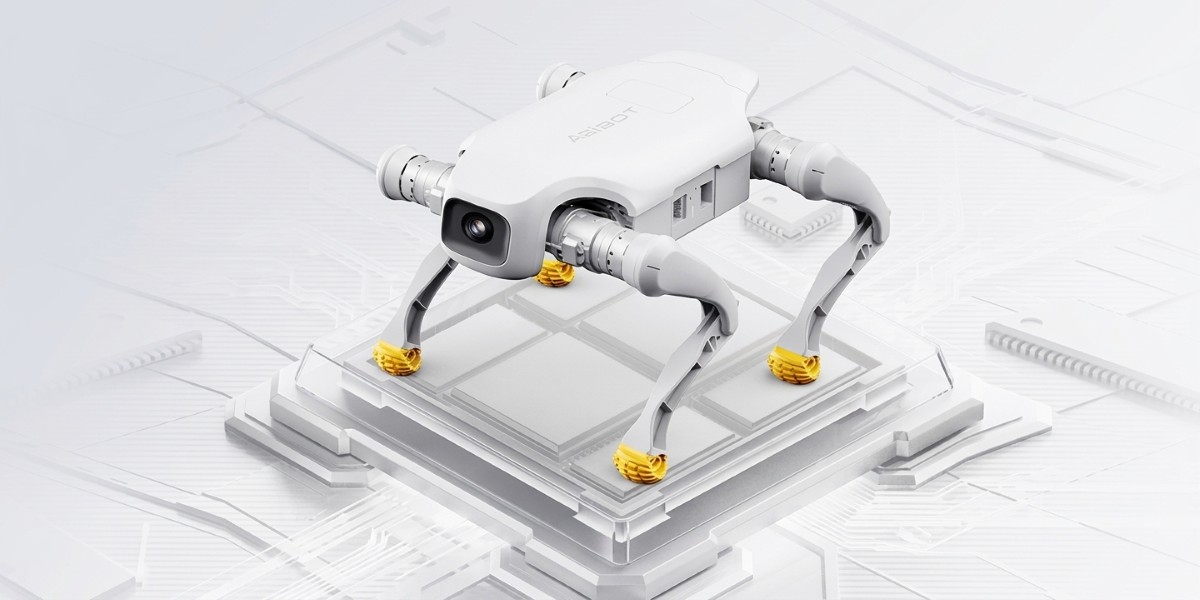
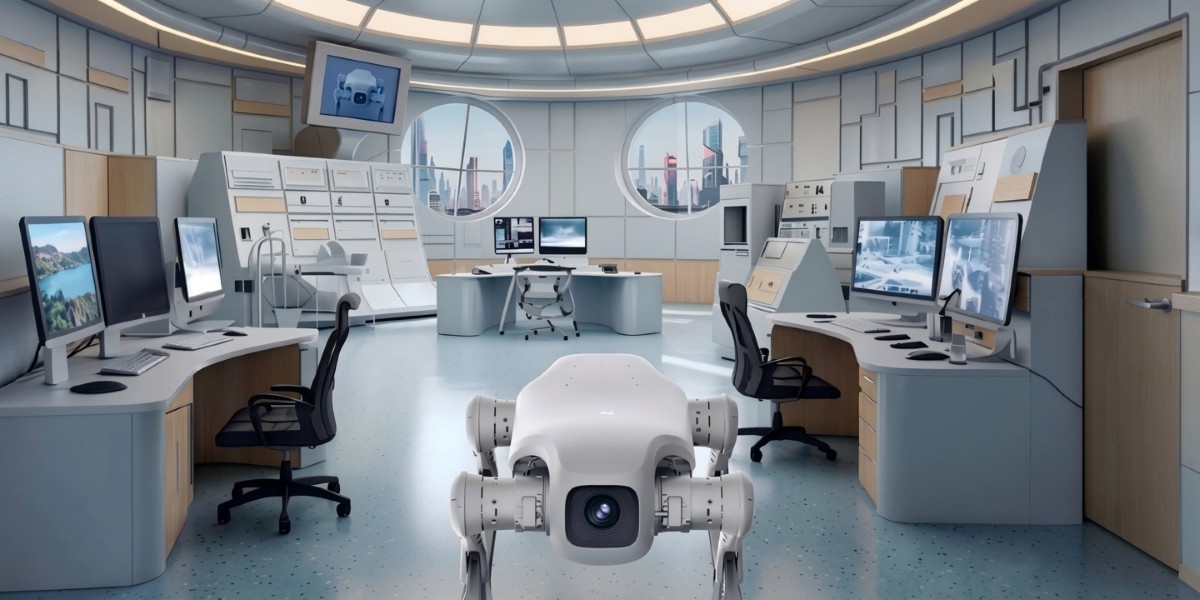
AgiBot D1 Edu is aimed at universities, laboratories, R&D teams, and developers researching mobile robotics, locomotion, and behavioral algorithms. The platform can be used for laboratory work, movement control experiments, IMU data analysis, and integration of custom equipment.
Edu is a specialized version of the D1 series for such tasks. Unlike D1 Pro, it has open capabilities for software and hardware integration, making it suitable not only for demonstrations but also for creating and testing custom robotic solutions.
Kinematics and Overcoming Difficult Areas
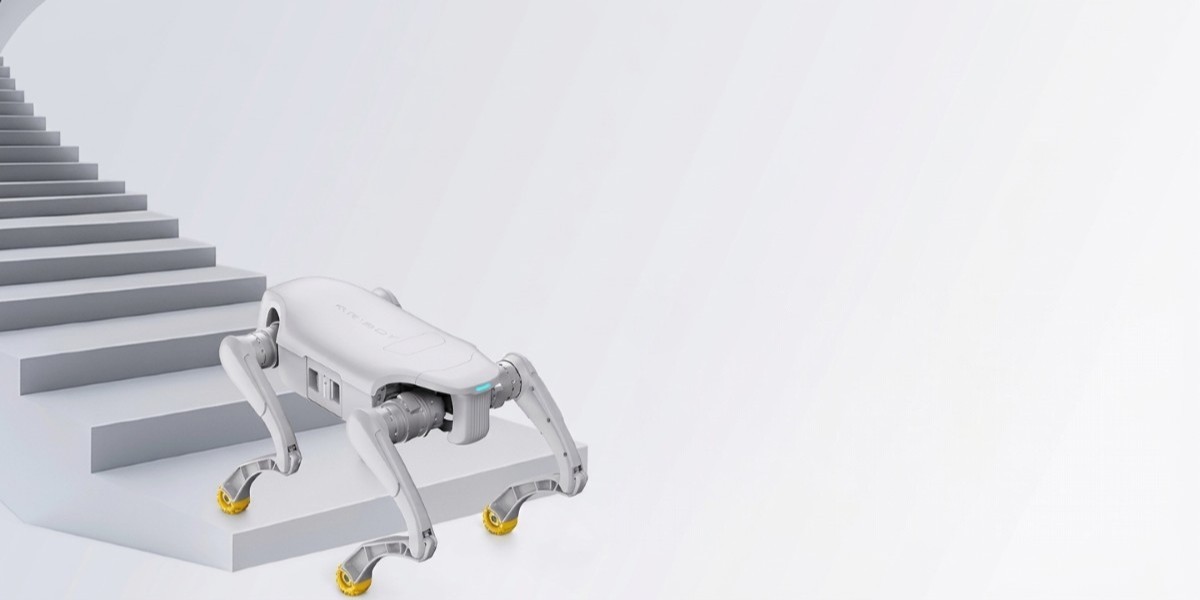
AgiBot D1 Edu has 12 degrees of freedom — 3 DOF per leg. Movement is controlled by 12 precision joint mechanisms with a maximum torque of up to 48 N·m. Dual encoder control does not require standard calibration of the zero position before each launch.
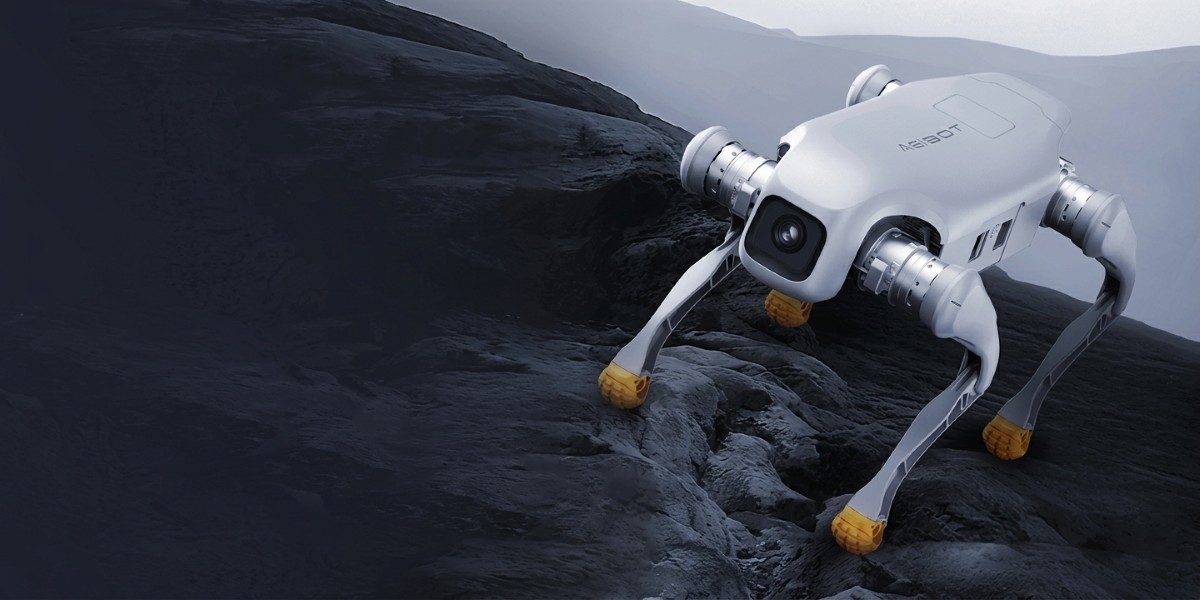
RL gait control ensures movement adaptation to the surface, self-balancing, and compensation for external disturbances. The maximum speed is up to 3.5 m/s. The robot can handle consecutive steps up to 16 cm high, perform jumps with a lift-off from the surface up to 35 cm, and is designed to move on slopes with a maximum angle of up to 40°.
Interfaces and Tools for Custom Development
To connect external equipment, AgiBot D1 Edu has Ethernet, USB, Power Port, SBUS, and UART. Through these interfaces, the platform can be supplemented with sensors, communication modules, and other devices according to the requirements of a specific project.
For preliminary algorithm testing, URDF model, NVIDIA Isaac Sim, and MuJoCo are available. This allows initially checking the behavior and movement of the robot in a virtual model and then transferring the developed scenario to the physical platform.
Applications of AgiBot D1 Edu
- University laboratories. The robot can be used in classes on mobile robotics, mechatronics, motion control, and programming of quadruped systems.
- Scientific research. The platform is suitable for tests of locomotion, stabilization, control algorithms, and sensor module operation.
- R&D projects. The SDK and expansion ports allow creating custom software, connecting equipment, and testing new scenarios on the physical robot.
- Simulation. URDF, Isaac Sim, and MuJoCo can be used to prepare algorithms before physical tests.
- Autonomous movement research. For such tasks, navigation sensors and custom software can be added. LiDAR, depth camera, or RTK are not automatically included in the basic configuration.
- Demonstration projects. Jumps, standing on two legs, body movements, and other standard actions can be used in educational presentations and exhibitions. Official materials separately indicate scientific research, education, and entertainment performances among the directions for D1 Edu.
Package Contents of AgiBot D1 Edu
The AgiBot D1 EDU package includes the main components to start working with the robotic platform and manual control.
- AgiBot D1 EDU Robot Dog. The main quadruped robotic platform for education, research, and development.
- Charger. Used for charging the robot's power system.
- Manual control remote. Designed for remote control of movement and main platform functions.
Note: the actual package contents of AgiBot D1 EDU may vary depending on the configuration and selected additional options. Please check the exact package contents with the manager before ordering.
Technical Specifications of AgiBot D1 Edu
Construction and Movement Parameters
| Parameter | Value |
| Dimensions in standing position | 635 × 360 × 420 mm |
| Dimensions in folded position | 675 × 435 × 145 mm |
| Net weight | 15.5 kg |
| Degrees of freedom | 12 DOF |
| Drive type | High specific power drive modules |
| Maximum joint torque | 48 N·m |
| Maximum speed | 3.5 m/s |
| Load capacity | 5 kg |
| Jump height with lift-off | up to 35 cm |
| Materials | Aluminum alloy, high-strength engineering plastic |
| Joint movement range | Body: −28°…28°, hip joint: −170°…66°, lower leg: 35°…156° |
Autonomy and Power
| Parameter | Value |
| Battery | Capacity 4.6 Ah, voltage 43.2 V |
| Charging time | about 1 hour from 10% to 90% |
| Operating time | 1–2 hours |
| Range | 6 ± 1 km |
| Base computing unit | High-performance 8-core CPU |
| Maximum output power | 3500 W |
| Operating temperature | 0…40 °C |
Sensors and Interface
| Parameter | Value |
| Camera | DFOV 122°, HFOV 111°, VFOV 70° |
| IMU | Standard equipment |
| Real-time image transmission | Supported |
| Expansion interfaces | Ethernet, USB ×2, Power Port ×2, SBUS, UART |
Tips for Selection and Implementation
- Define educational or research tasks. Prepare a list of algorithms, sensors, and software functions you plan to test in advance.
- Check the current SDK version. For custom software, you need to align the documentation, robot firmware, and available software interfaces.
- Choose sensors for the task. If autonomous navigation is required, check compatibility of LiDAR, depth camera, or RTK with the specific configuration.
- Consider the weight of additional equipment. Sensors, mounts, and other devices need to fit within the 5 kg payload capacity.
- Conduct preliminary tests in simulation. URDF, Isaac Sim, and MuJoCo are useful for testing algorithms before working with the physical robot.
Order AgiBot D1 Edu
AgiBot D1 Edu is suitable for universities, educational institutions, research centers, R&D teams, and system integrators who need a robotic platform for education, research, algorithm testing, autonomous navigation, or custom development. Our specialists will help select the configuration, clarify software capabilities, compatible sensors, SDK, and expansion modules, check component compatibility, and place an order.