

- Stock: In Stock
- Product code: 00-00014828

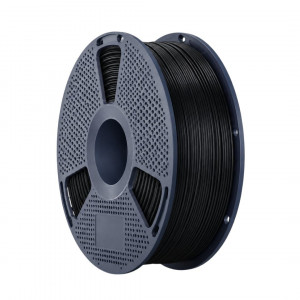
TPU 95A Plastic KLEMA for 3D Printing Flexible Mounts, Overlays, and Shock-Absorbing Parts
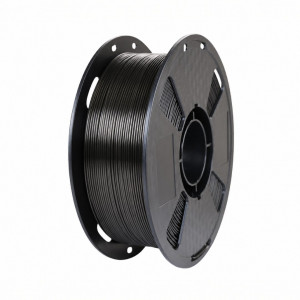
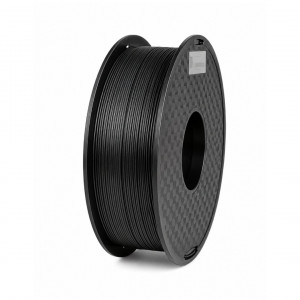
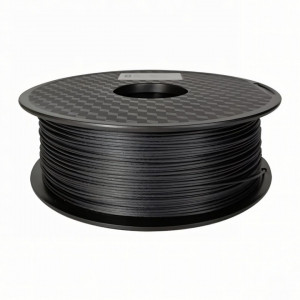
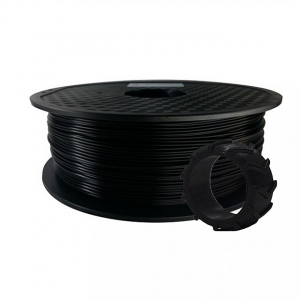
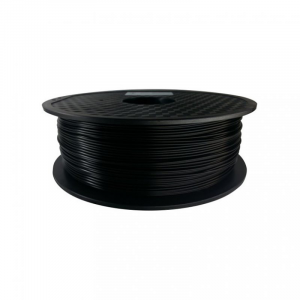
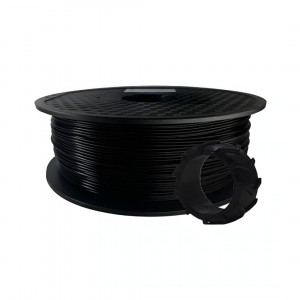
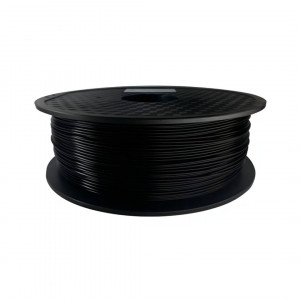
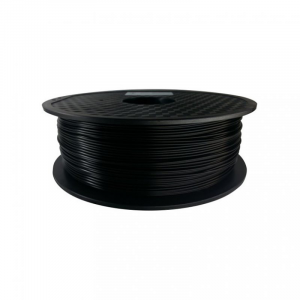
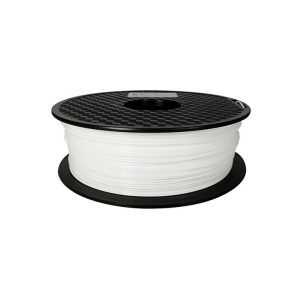
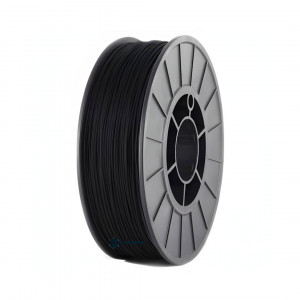
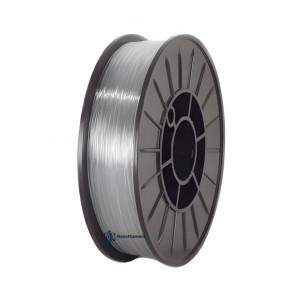
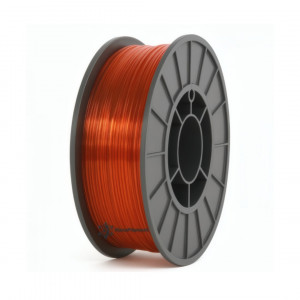
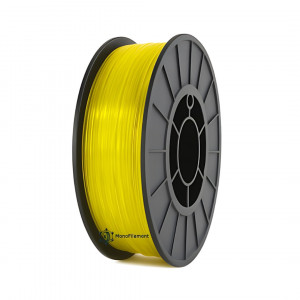
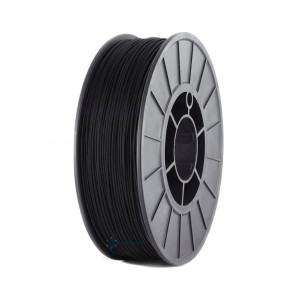
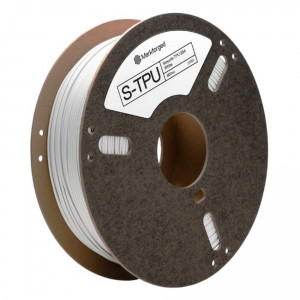
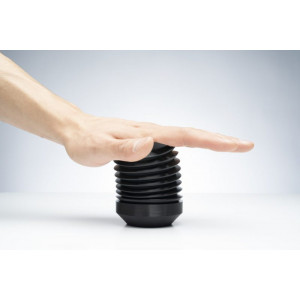
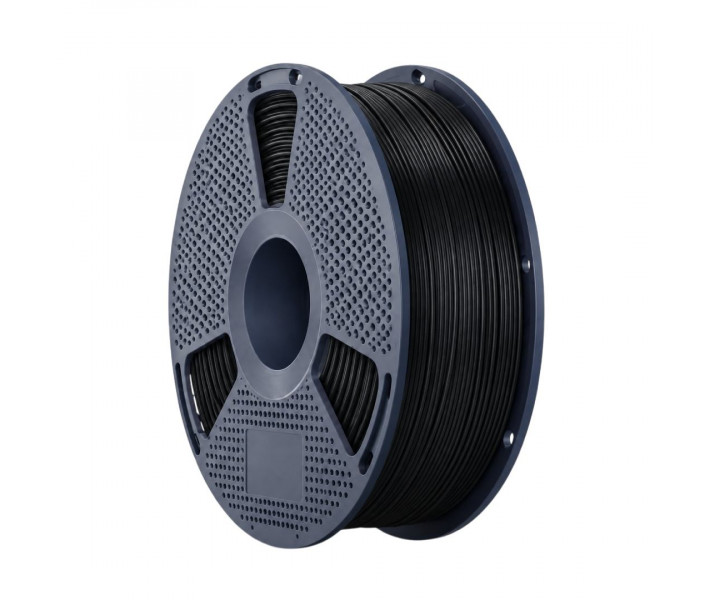
TPU 95A Plastic KLEMA 1.75 mm 1 kg Black is a flexible thermoplastic filament for FDM 3D printing of mounts, protective overlays, shock-absorbing elements, and other parts that need to deform under load. The material is suitable for technical components that need to bend, compress, or stretch during use, and retain their functional shape after the load is removed.
Material Advantages
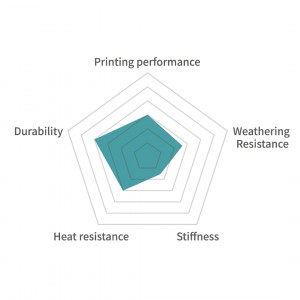
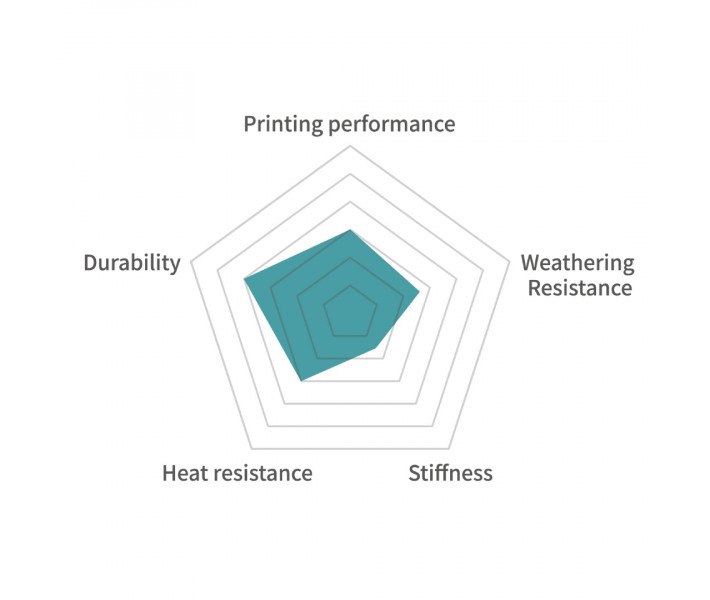
- Elasticity with Shore Hardness 95A. TPU 95A combines flexibility with sufficient structural rigidity for parts that need to maintain shape while deforming under load. This distinguishes it from softer TPUs, which compress and bend more.
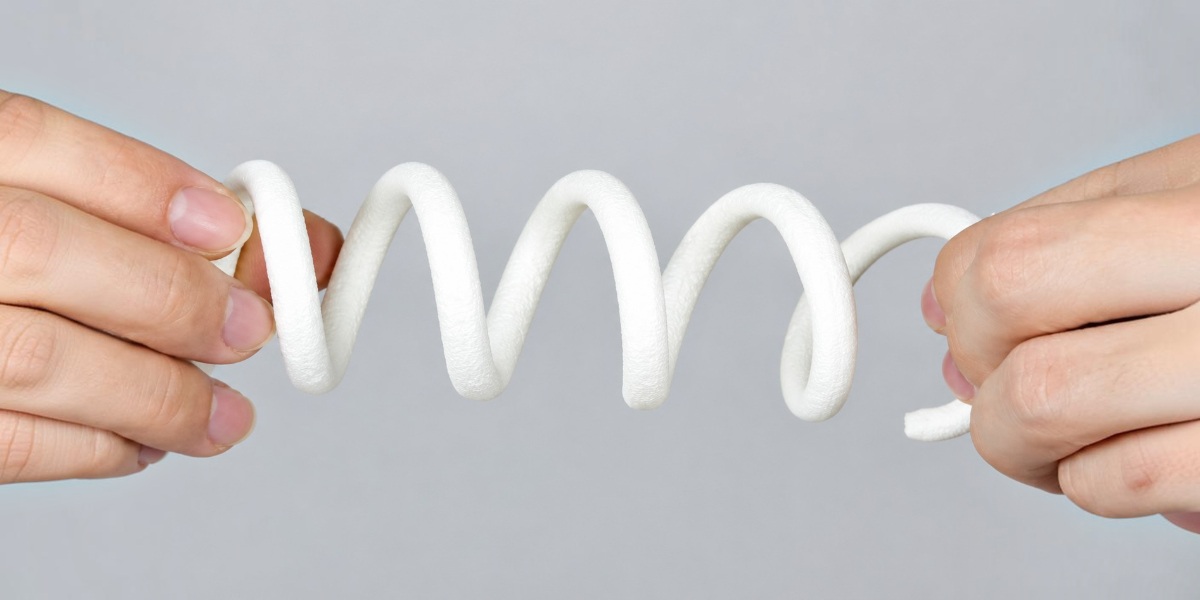
- High Stretchability. The relative elongation at break exceeds 900% for the tested sample. This property allows the material to be used for elements that need to stretch or deform under load. The actual behavior of the printed part depends on its geometry, layer orientation, and printing parameters.
- Impact Load Resistance. TPU 95A has an impact toughness of 47 kJ/m² for a notched sample, making the material suitable for manufacturing protective overlays, shock-absorbing elements, and parts that may experience short-term impacts.
- Chemical Resistance in Specific Environments. The material has high resistance to deionized water and good resistance to alkalis, alcohols, and petroleum fuels. However, resistance to acids and ketones is low, so compatibility with a specific substance should be evaluated separately.
Features of Working with TPU 95A
- Filament Flexibility During Feeding. Unlike rigid plastics, TPU can compress and bend in the feeding path. Therefore, extrusion stability depends more on the correct material feeding setup and the absence of excessive resistance on the way to the nozzle.
- Impact of Speed on Printing Temperature. TPU 95A has two temperature modes depending on speed. At higher speeds, a higher nozzle temperature is required, so a single temperature mode should not be used for the entire speed range.
- Deformation of Finished Parts. Shore hardness 95A means that the material retains greater structural rigidity than softer TPU grades while remaining flexible. This allows it to be used for parts that require a combination of deformation capability and shape retention.
3D Printing Features of TPU 95A
For printing, a textured PEI plate with a temperature of 50–60 °C is recommended. Additional processing of the working surface is not required.
The nozzle temperature should be selected according to the printing speed. At a speed of 50–80 mm/s, 190–210 °C is recommended, and at 80–120 mm/s — 210–230 °C. The upper speed limit of 120 mm/s should not be considered a universal mode for any printer or part geometry.
During printing, the cooling fan should be on. For models with supports, PVA can be used.
Drying and Storage Recommendations
The recommended drying temperature for TPU 95A is 50–60 °C. The specific drying duration should be selected based on the filament condition and drying equipment characteristics.
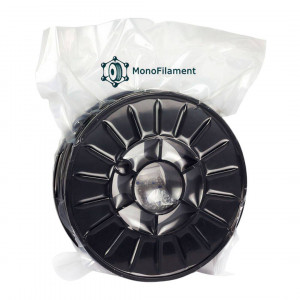
After opening the package, it is advisable to store the spool hermetically with a desiccant. This helps limit moisture absorption and maintain stable printing conditions.
Applications
- Flexible Mounts and Fasteners. Elements that need to deform during installation or use but retain their functional shape.
- Protective Overlays and Bumpers. Parts for cushioning impacts, protecting edges, and equipment surfaces.
- Anti-Slip and Support Elements. Feet, overlays, inserts, and other parts that require a combination of flexibility and surface contact.
- Flexible Housing Elements. Covers, shells, protective cases, and other components that need to deform without breaking.
- Functional Prototypes. Sample parts for testing flexibility, fit, deformation, and interaction with other components of the design.
Physical Characteristics
| Parameter | Value |
| Material | TPU 95A |
| Shore Hardness | 95A |
| Density | 1.21 g/cm³ |
| Melt Flow Index, 190 °C / 2.16 kg | 28 g/10 min |
| Decomposition Temperature at 5% Mass Loss | ≥300 °C |
| UL 94 Flammability Class | HB for 1.5 mm thick sample |
Mechanical Characteristics
| Parameter | Value |
| Tensile Strength | 31 MPa |
| Relative Elongation at Break | >900% |
| Izod Impact Toughness, Notched Sample | 47 kJ/m² |
| Izod Impact Toughness, Unnotched Sample | 38 kJ/m² |
3D Printing Parameters
| Parameter | Value |
| Printing Technology | FDM |
| Filament Diameter | 1.75 ± 0.02 mm |
| Filament Weight on Spool | 1 kg |
| Nozzle Temperature at Speed 50–80 mm/s | 190–210 °C |
| Nozzle Temperature at Speed 80–120 mm/s | 210–230 °C |
| Platform Temperature | 50–60 °C |
| Platform Surface | Textured PEI Plate |
| Platform Preparation | No additional processing required |
| Retraction Distance | 0.8–1.2 mm |
| Retraction Speed | 30–40 mm/s |
| Distance Between Model and Raft | 0.2–0.4 mm |
| Cooling | Fan On |
| Recommended Support Material | PVA |
| Drying Temperature | 50–60 °C |
The provided modes are initial settings and can be adjusted according to the 3D printer design, filament feeding system features, model geometry, and finished product requirements.
Order TPU 95A Plastic KLEMA on Our Website
Need help checking compatibility with your 3D printer, setting up printing with flexible filament, or choosing a material for a specific part? Contact 3DDevice managers — we will help you select the filament according to your tasks. We deliver across Ukraine.