

Навіщо потрібна постобробка 3D-друку
Головна мета постобробки виробів, надрукованих на 3D-принтері, — довести їх до ідеального вигляду «як з вітрини». На жаль, сучасні технології 3D-друку, доступні більшості користувачів, мають помітну шаруватість поверхні навіть при друці у високій якості. Для технічних деталей це часто не має значення, чого не скажеш про декоративні об'єкти. Саме тут у гру вступає постобробка 3D-друку.
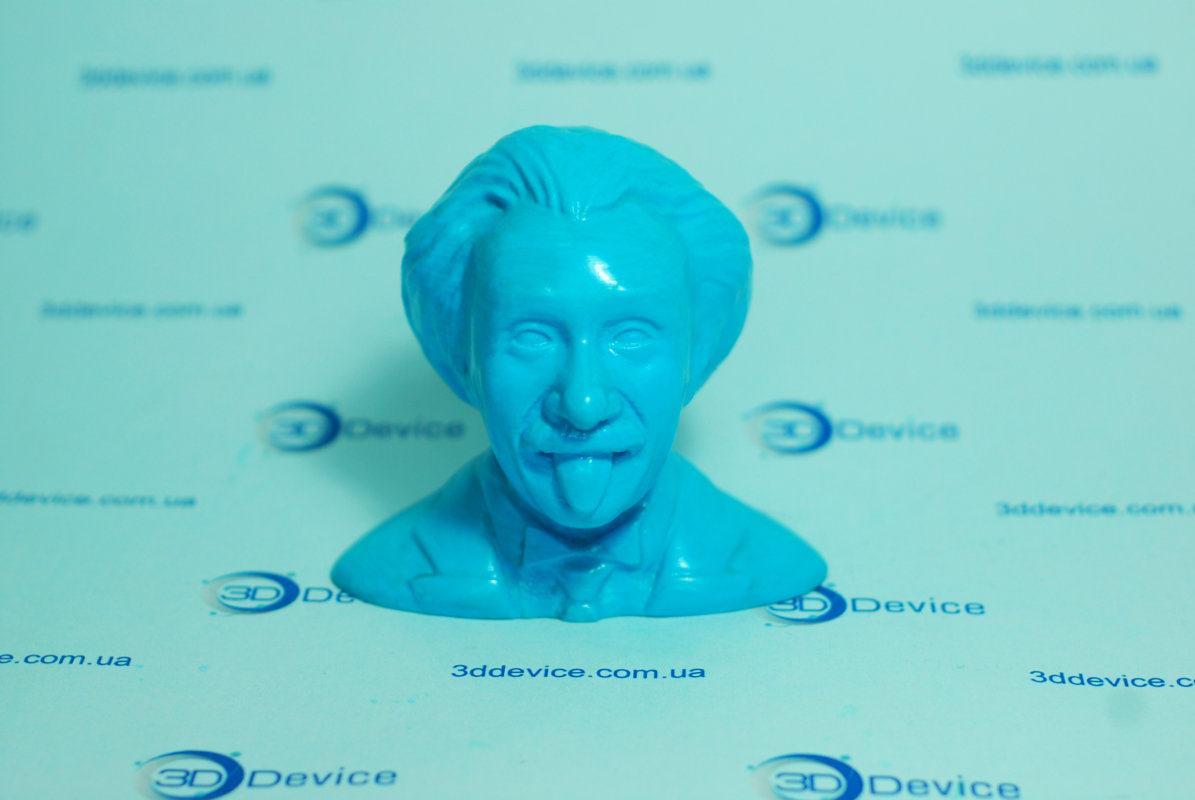
Дизайнерські та художні вироби, а також корпуси приладів часто потребують якісної постобробки. Ми вже писали про способи обробки моделей із різного 3D-пластику, але в цій статті хочемо зупинитися на деяких аспектах детальніше, а також показати результат якісної ручної роботи.
Методи та необхідні матеріали
Головною умовою для отримання красивих моделей із гладкою поверхнею є якісний 3D-друк на надійному обладнанні та використання перевірених витратних матеріалів. Неякісна або погано відкалібрована техніка, а також низькосортний пластик можуть призвести до нерівностей, розшарувань та патьоків. Виправити такі дефекти буває вкрай складно або взагалі неможливо. У нашому випадку друк виконувався на принтерах лінійки CreatBot із використанням пластиків PLA та PETG.

З нашої попередньої статті ви вже знаєте про методи обробки різних типів пластику, тому застосування дихлоретану для PLA-пластику не стане для вас новиною. Крім цього, у процесі можуть використовуватися шпаклівка, наждачний папір різної зернистості, ґрунт, лак та спеціальна фарба для пластику. Розглянемо детальніше.
Постобробка 3D-моделі Грута
Наша команда настільки надихнулася фільмом «Вартові галактики», що вирішила додати до своєї колекції маленького Грута. Для більшої реалістичності модель потрібно було якісно обробити та розфарбувати. Оскільки це суто декоративна фігурка, для друку ми обрали екологічний та простий у роботі PLA-пластик.
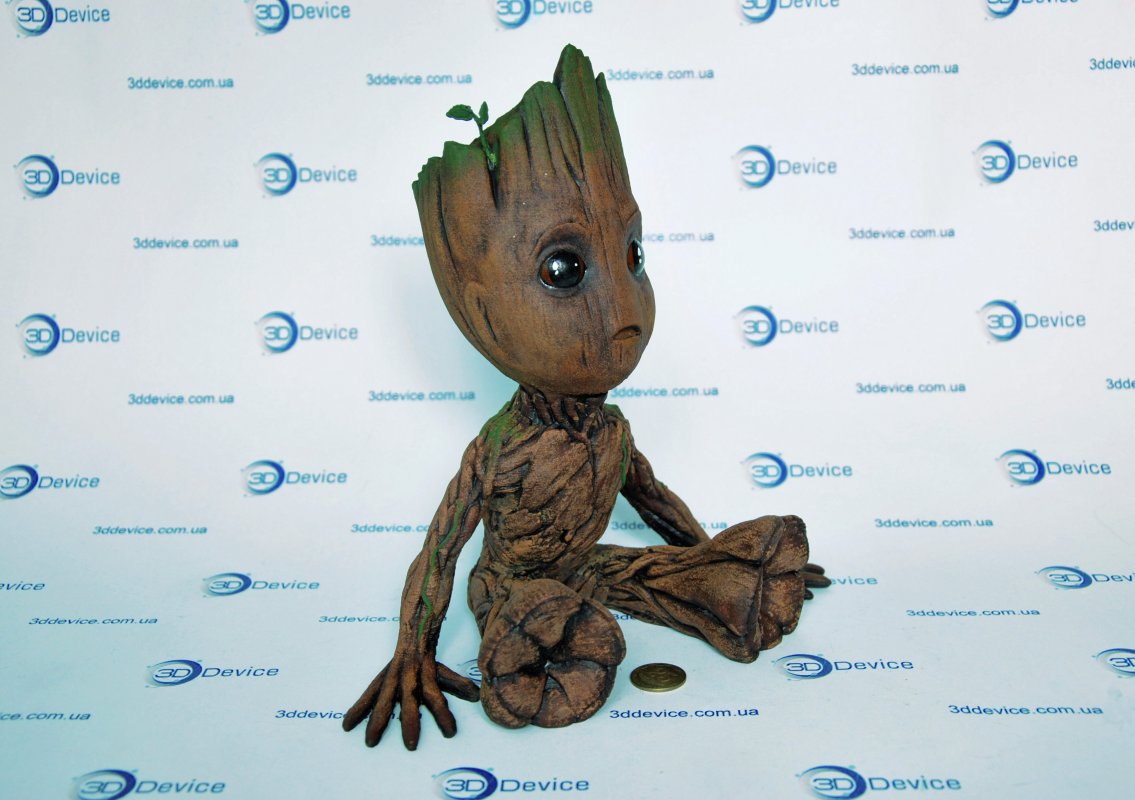
3D-модель складалася з двох частин — голови та тулуба, які друкувалися окремо. Після друку ми видалили підтримки й обробили поверхню дихлоретаном. Потім нанесли спеціальний ґрунт для пластику, щоб фарба лягла рівномірно. Якщо пропустити цей етап, якісне фарбування стає майже неможливим завданням.
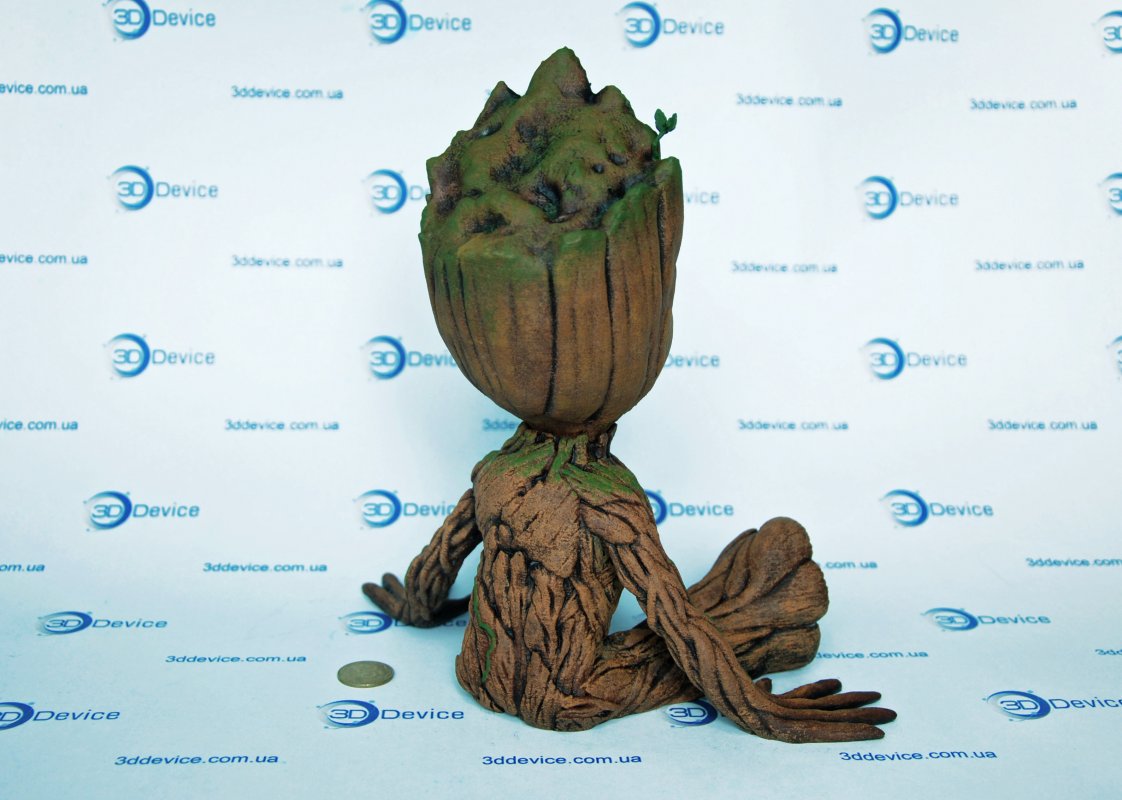
Ми використовували звичайні акрилові фарби з художнього магазину, а для базового чорного шару — аерозольну фарбу для пластику. Багато моделей варто покривати лаком (матовим або глянцевим), але у випадку з Грутом ми відмовилися від цього, щоб зберегти приємну шорсткість та текстуру «дерева».
Обробка деталей із PETG
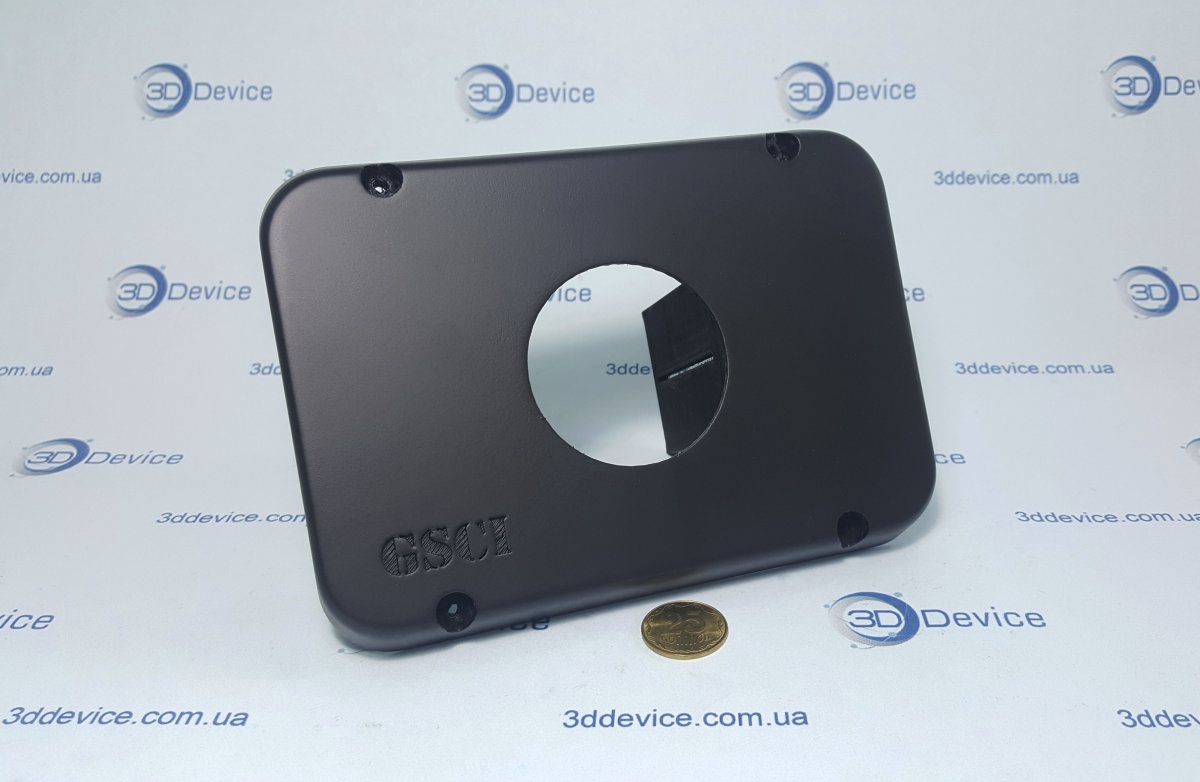
PETG — це міцний технічний матеріал. На прикладі одного з наших замовлень, де вимагалася ідеально гладка поверхня, ми продемонструємо процес його обробки. Оскільки працювати з міцними матеріалами складніше, для вирівнювання шарів ми використали звичайну шпаклівку з наступним ручним шліфуванням.
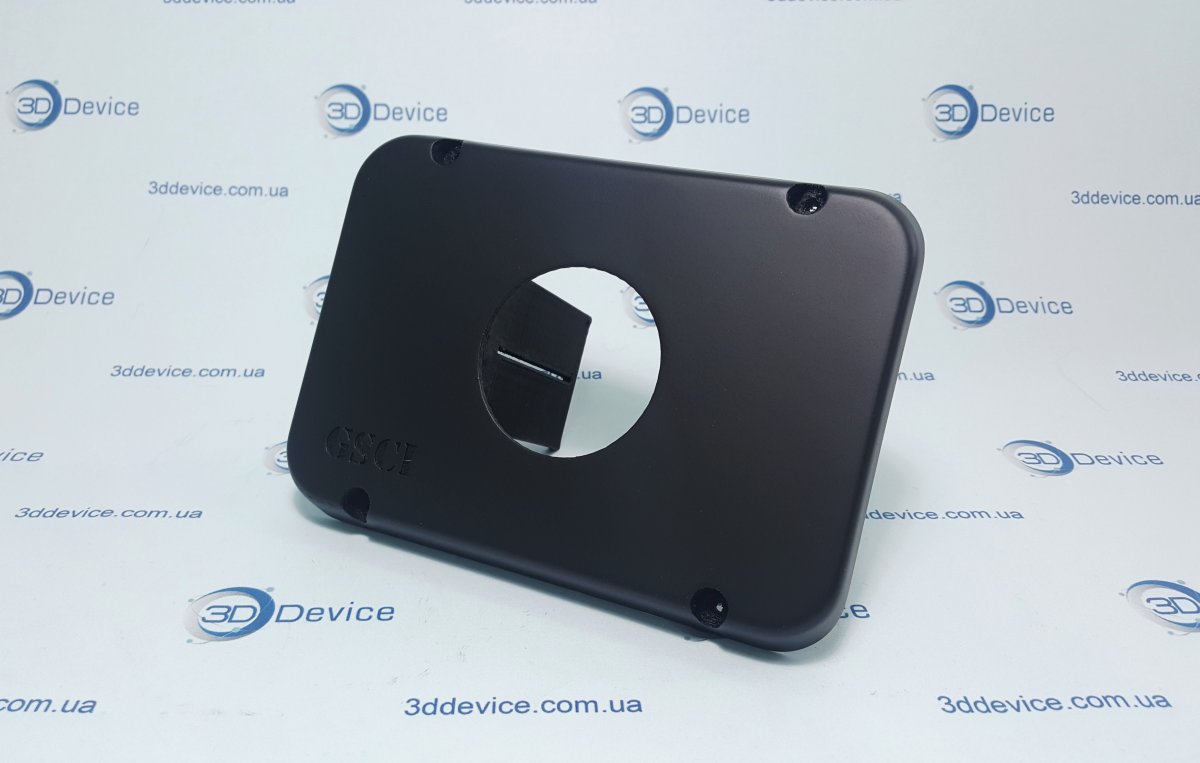
Для отримання рівномірного кольору ми знову використали ґрунт та аерозольну фарбу. Аерозолі — найкращий вибір для рівномірного покриття; фарбування пензлем варто залишати лише для складних художніх завдань. Після повного висихання ми закріпили результат лаком. Тепер виріб виглядає як професійний промисловий продукт.
Замовити постобробку
Це лише кілька прикладів того, що дає постобробка. Якщо додати фарбування, можливості стають безмежними. Наша компанія надає послуги професійної постобробки: просто вкажіть свої побажання при оформленні замовлення.
Також відвідайте наш інтернет-магазин, де ви знайдете найкращі пропозиції на 3D-сканери, FDM та SLA 3D-принтери, фотополімерні смоли, запчастини та аксесуари. Крім того, відвідайте розділ акційних товарів, щоб оцінити найкращі пропозиції на ринку 3D‑друку. Ми завжди раді допомогти вам втілити ваші ідеї в життя!
Залишити коментар