
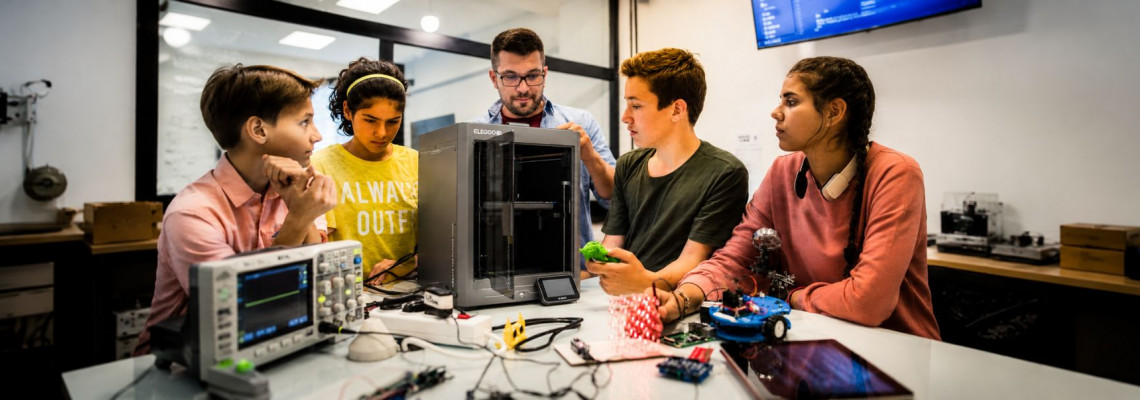
Чому сучасна інженерна освіта потребує адитивних технологій?
Сучасна промисловість – від приладобудування та цивільної авіації до медицини й автопрому – базується на адитивному виробництві. Використання 3D-друку та 3D-сканування дає змогу виготовляти деталі складної геометрії, оптимізувати вагу конструкцій та скорочувати цикл розробки прототипів від місяців до кількох годин.
Для закладів освіти впровадження цих технологій є способом підготовки затребуваних фахівців. Теоретичне вивчення фізики, математики та геометрії отримує практичне застосування: учень проходить повний інженерний цикл – від цифрової CAD-моделі на екрані комп'ютера до фізичного виробу в руках.
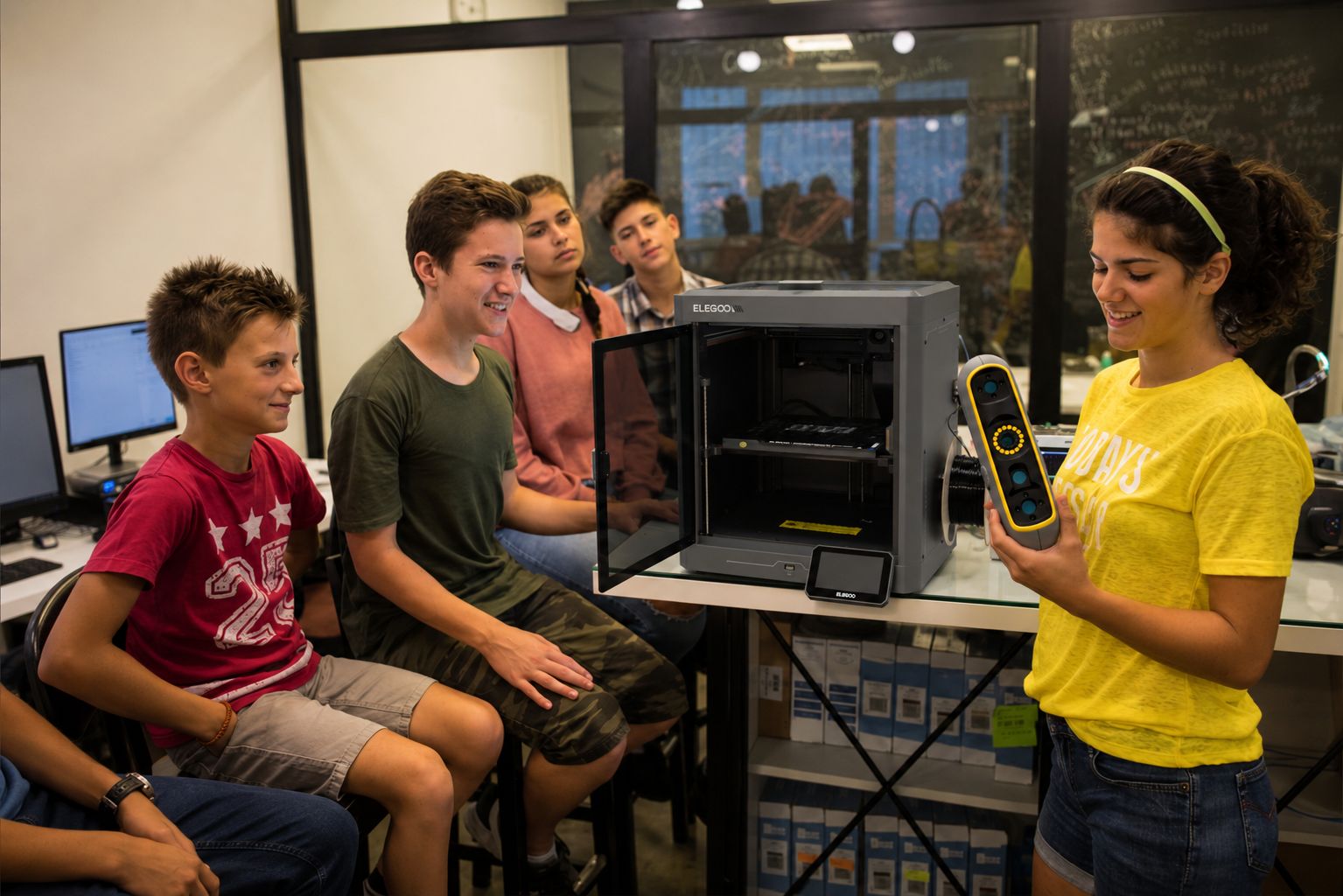
Від окремого приладу до системи: Концепція готової STEM-лабораторії
Закупівля поодинокого 3D-принтера часто не дає бажаного освітнього ефекту через відсутність витратних матеріалів, додаткового периферійного обладнання та методичної підготовки викладачів. Повноцінний навчальний процес потребує системного підходу.
Інжиніринговий підхід 3Ddevice передбачає постачання готових комплексів «під ключ», які включають:
- Забезпечення сумісним обладнанням (3D-принтери, 3D-сканери, лазерні гравери).
- Підбір енергоефективної та надійної техніки з низьким рівнем шуму для роботи в класах.
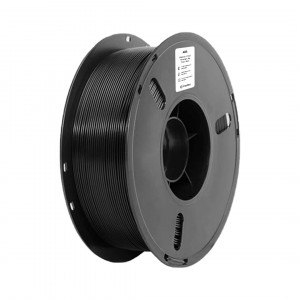
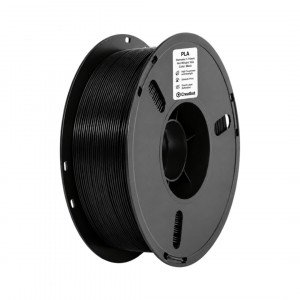
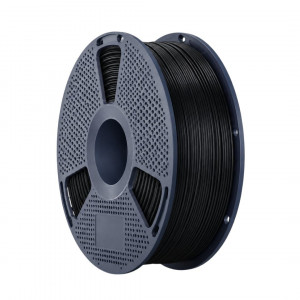
- Річний або стартовий запас сертифікованих матеріалів (PLA, PETG).
- Допоміжне обладнання (сушарки філаменту, адгезиви, очисники повітря).
- Практичне навчання педагогічного складу та супровід під час інтеграції в навчальні програми.
Огляд готових комплектів STEM-лабораторій 3Ddevice
Залежно від цілей навчального закладу, рівня підготовки учнів та виділеного бюджету, розроблено три базові конфігурації STEM-лабораторій.
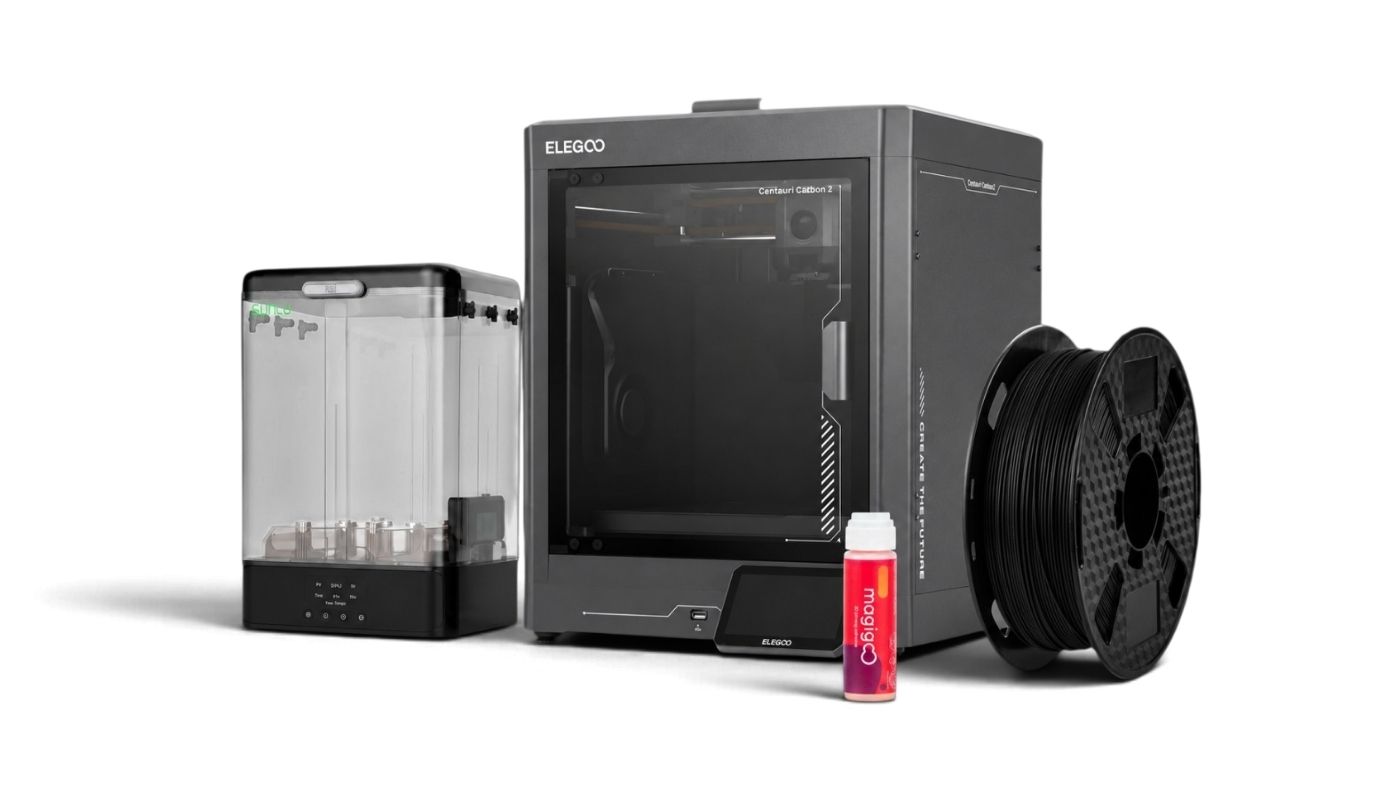
1. Базовий STEM (Вартість – від 36 980 грн)
Оптимальне рішення для закладів, які починають впровадження адитивних технологій у навчальний процес. Комплект орієнтований на опанування основ FDM-друку та базового 3D-моделювання.
Склад комплекту:
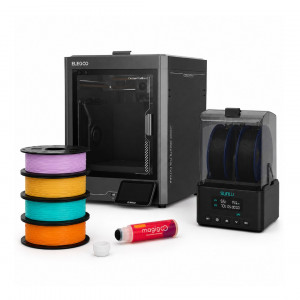
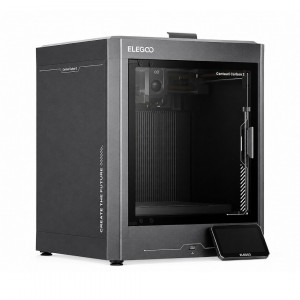
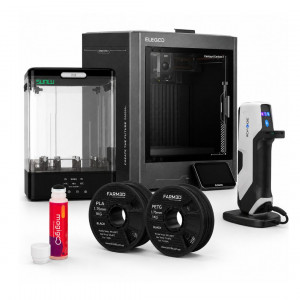
- Професійний 3D-принтер Elegoo Centauri Carbon 2 – 1 шт.
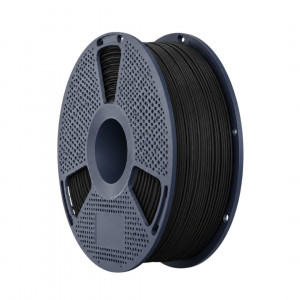
- Філамент PETG Farm3D (1 кг, 1.75 мм) – 4 котушки.
- Адгезивний клей-олівець Magigoo Original (50 мл) – 1 шт.
- Сушарка для філаменту SUNLU Filament Dryer SP2 – 1 шт.
- Базовий курс навчання педагогів та допомога з запуском.
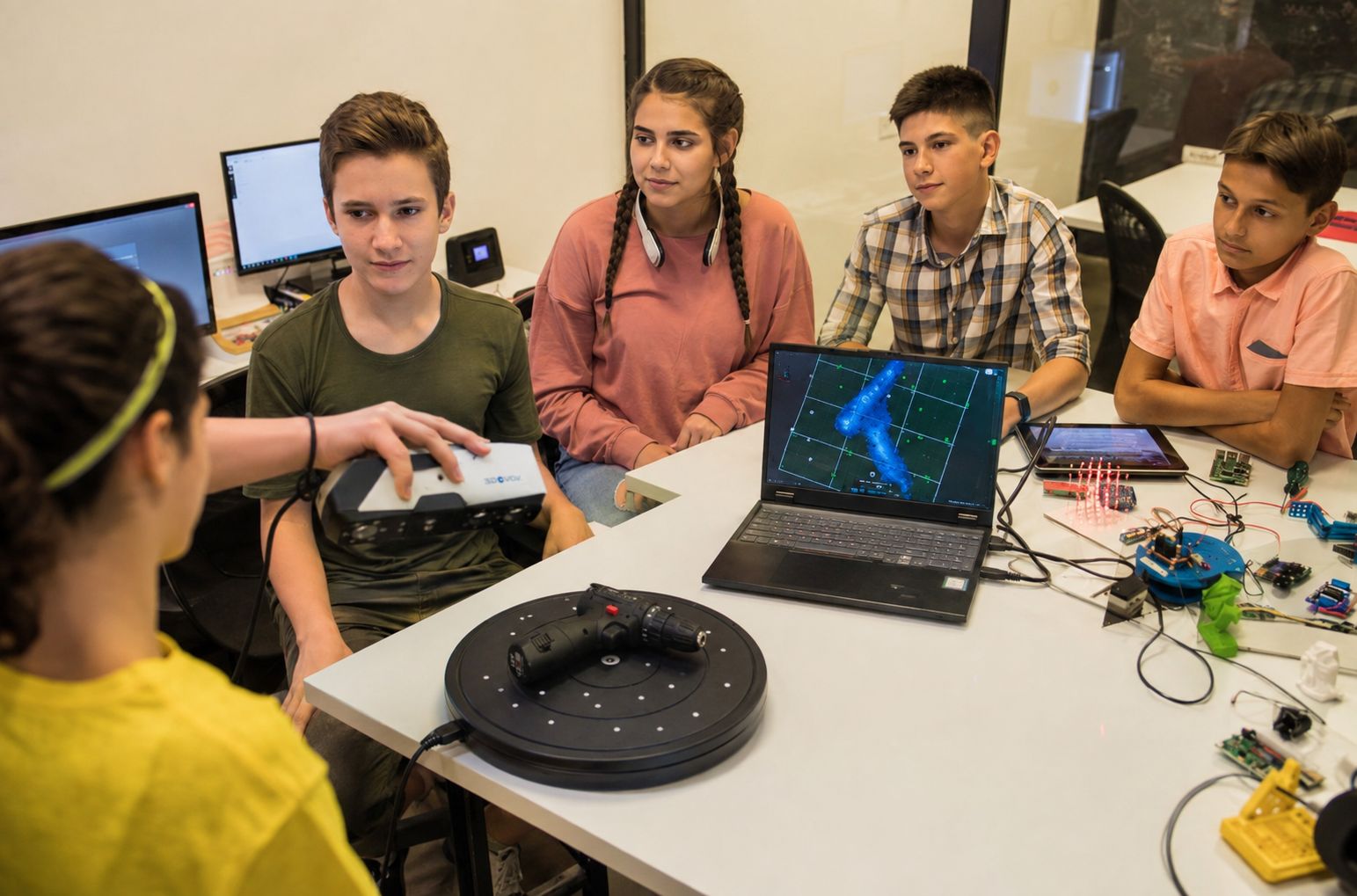
2. Комплексний STEM (Вартість – від 255 779 грн)
Рішення для побудови повного навчального циклу реверс-інжинірингу. Дозволяє проходити шлях від оцифрування фізичного об'єкта за допомогою 3D-сканера до коригування його CAD-моделі та подальшого виготовлення на 3D-принтері.
Склад комплекту:
- 3D-принтер Elegoo Centauri Carbon 2 – 1 шт.
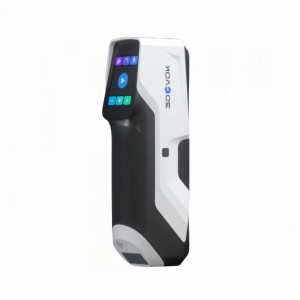
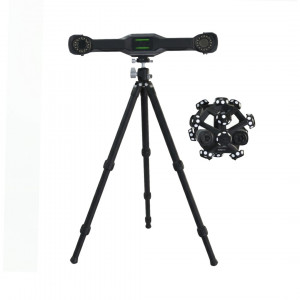
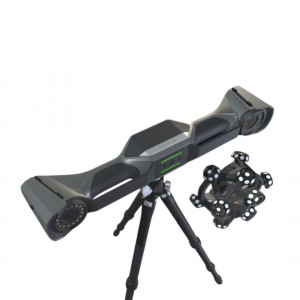
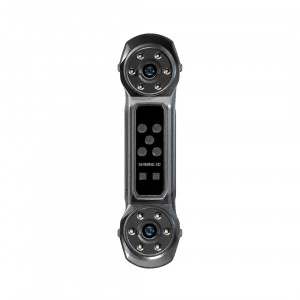
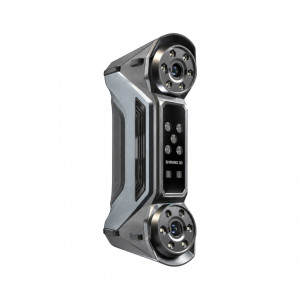
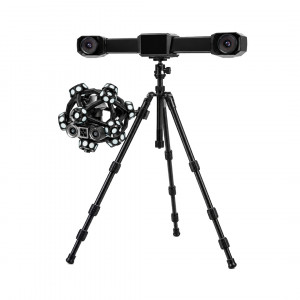
- Високоточний 3D-сканер 3DeVOK MQ – 1 шт.
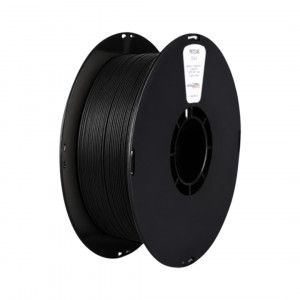
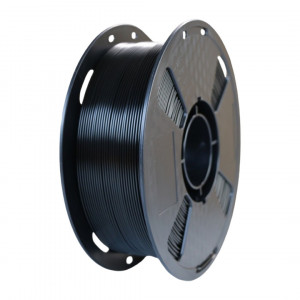
- Філамент PETG Farm3D (1.75 мм) – 100 кг.
- Філамент PLA Farm3D (1.75 мм) – 100 кг.
- Сушарка для філаменту SUNLU SP2 та адгезиви Magigoo.
- Розширений курс навчання педагогів, запуск та сервісне обслуговування.
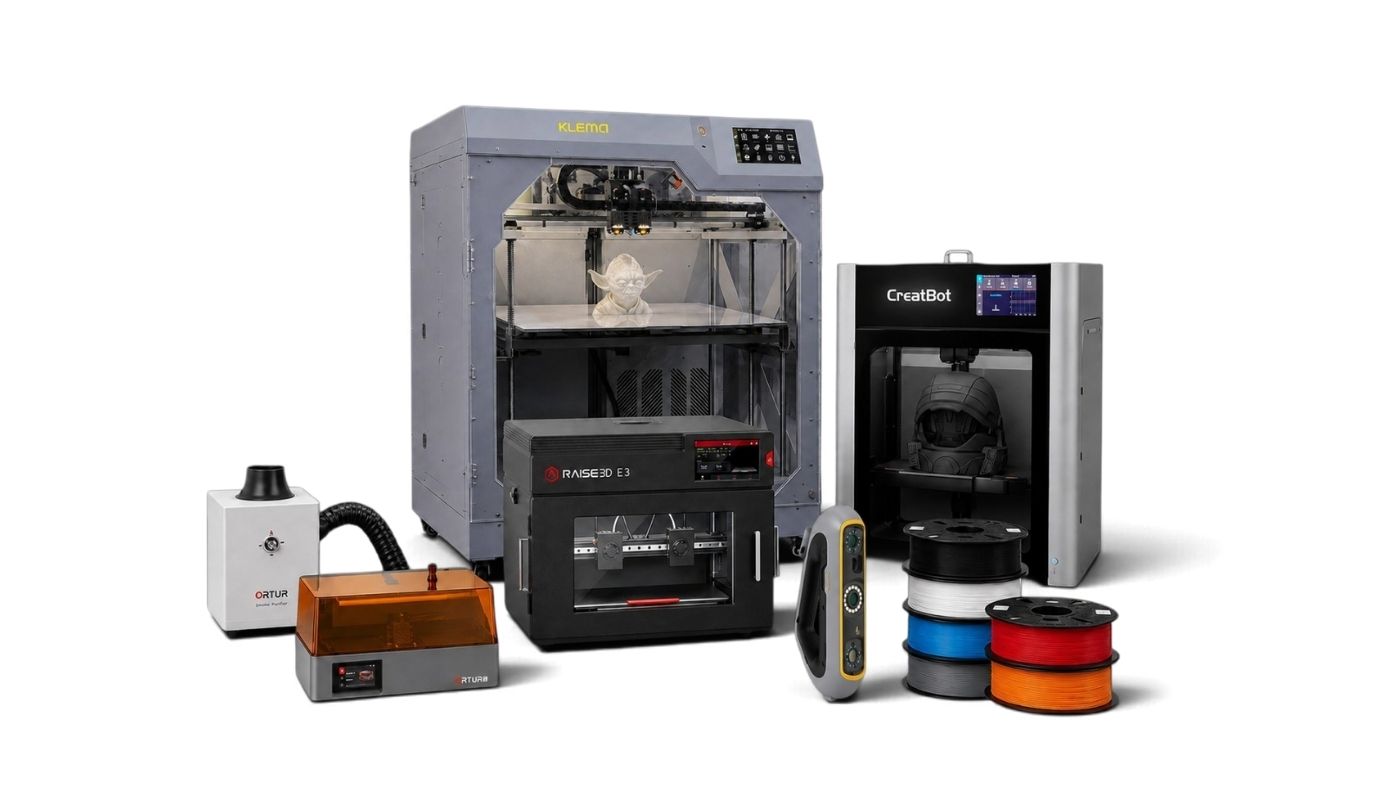
3. Флагман STEM (Вартість – від 1 663 902 грн)
Повноцінна виробнича лінія в мініатюрі для опорних ліцеїв, освітніх хабів та центрів науково-технічної творчості. Забезпечує роботу з різними типами пластиків, великими габаритами та лазерною обробкою матеріалів.
Склад комплекту:
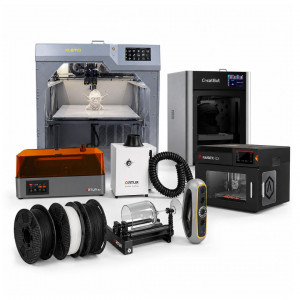
- Професійний великоформатний 3D-принтер CreatBot D400 HS – 1 шт.
- 3D-принтер KLEMA 700 – 1 шт.
- 3D-принтер Raise3D E3 – 1 шт.
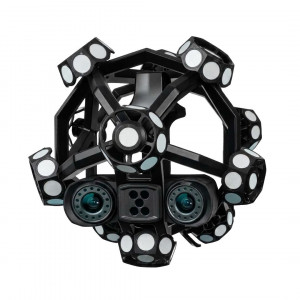
- Ручний 3D-сканер Peel 3D Peel 3 – 1 шт.
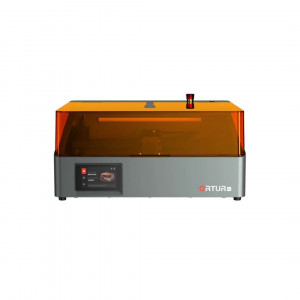
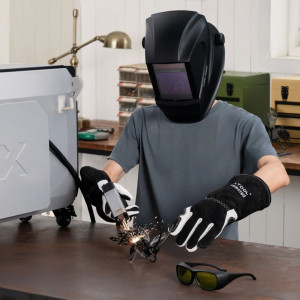
- Лазерний гравер ORTUR R2 Smart Dual Laser (20W + 1.3W IR) – 1 шт.
- Поворотний ролик Ortur YRR 3.0 та очисник диму Ortur 1.0.
- Запас матеріалів: 100 кг PETG та 100 кг PLA.
- Повний комплект супровідного обладнання, розширене навчання та сервісна підтримка.
Інтеграція в навчальний процес та методичний супровід
Головне завдання STEM-лабораторії – стати ефективним інструментом у руках викладача. Обладнання легко адаптується під шкільні програми з наступних дисциплін:
- Фізика: вивчення кінематики, термодинаміки матеріалів, міцнісних характеристик структур.
- Математика та геометрія: побудова тривимірних векторних моделей, перетин площин, розрахунок об'ємів та площ поверхонь.
- Інформатика та робототехніка: проєктування корпусів для мікроконтролерів, створення рухомих механічних вузлів.
- Трудове навчання / Технології: опанування сучасних методів цифрового виробництва.
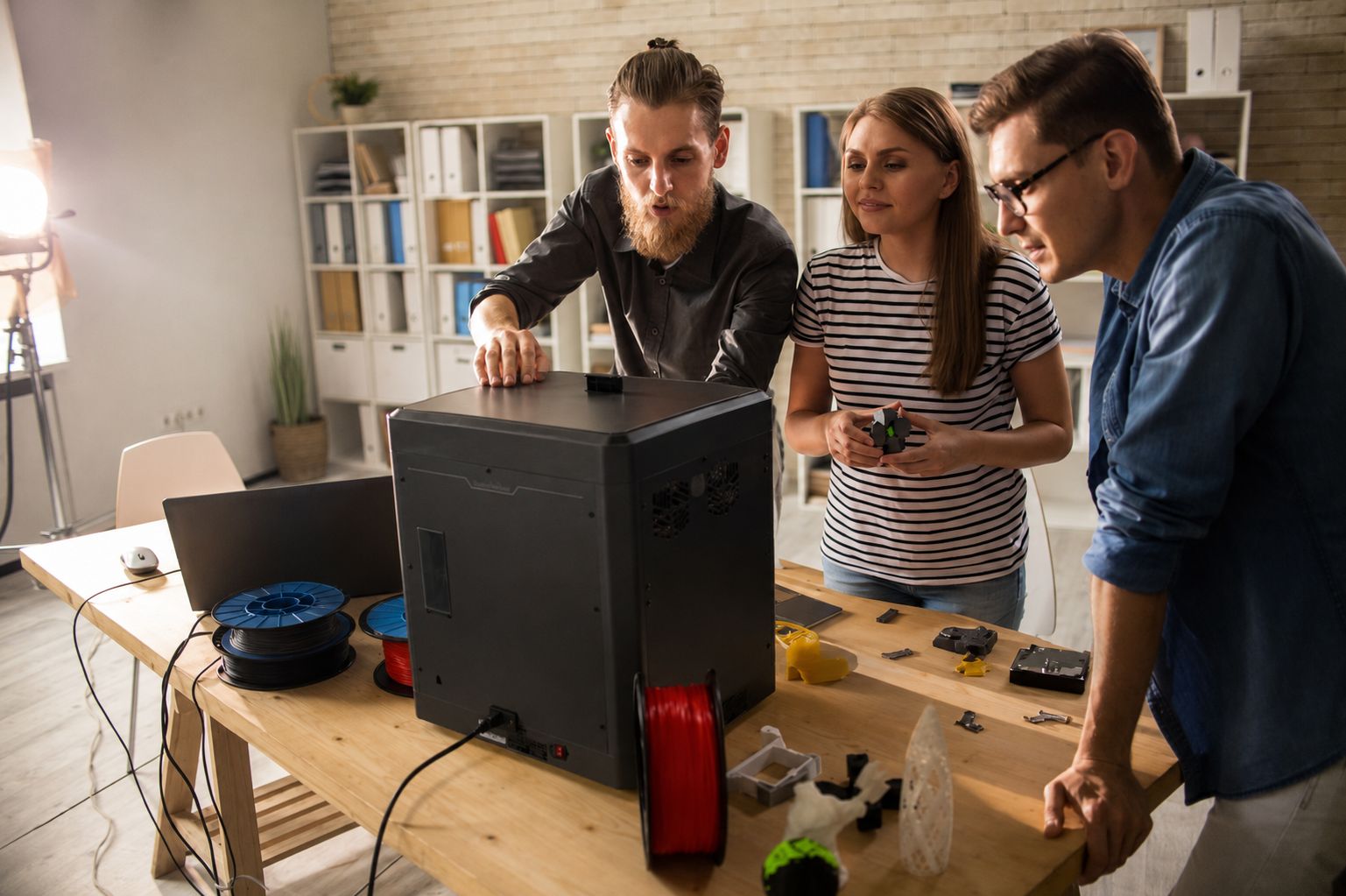
Фахівці 3Ddevice проводять інструктаж та практичні тренінги для викладачів після встановлення обладнання. Це дозволяє педагогам упевнено проводити заняття та розробляти власні навчальні модулі.
Як обрати оптимальну конфігурацію?
Підбір обладнання залежить від наявного приміщення, кількісного складу навчальних груп та бюджету закладу. Інженери компанії 3Ddevice допомагають сформувати технічне завдання, розрахувати енергоспоживання лабораторії та підібрати конфігурацію під індивідуальні задачі школи, ліцею чи коледжу.
Детальний огляд готових комплектів, їх комплектації та прикладів роботи дивіться у відео нижче. Щоб отримати розрахунок вартості або індивідуальну специфікацію для вашого закладу освіти, тисніть кнопку нижче та зв'яжіться з нашим фахівцем.
Залишити коментар