
У промисловому виробництві та відділах досліджень і розробок (R&D) кожна година роботи 3D-принтера має свою ціну. Затягнутий цикл друку – це не просто технічна незручність. Це прямі фінансові витрати на електроенергію, оплату робочого часу оператора та, найголовніше, затримка випуску готової продукції. Клієнт чекає – виробництво стоїть.
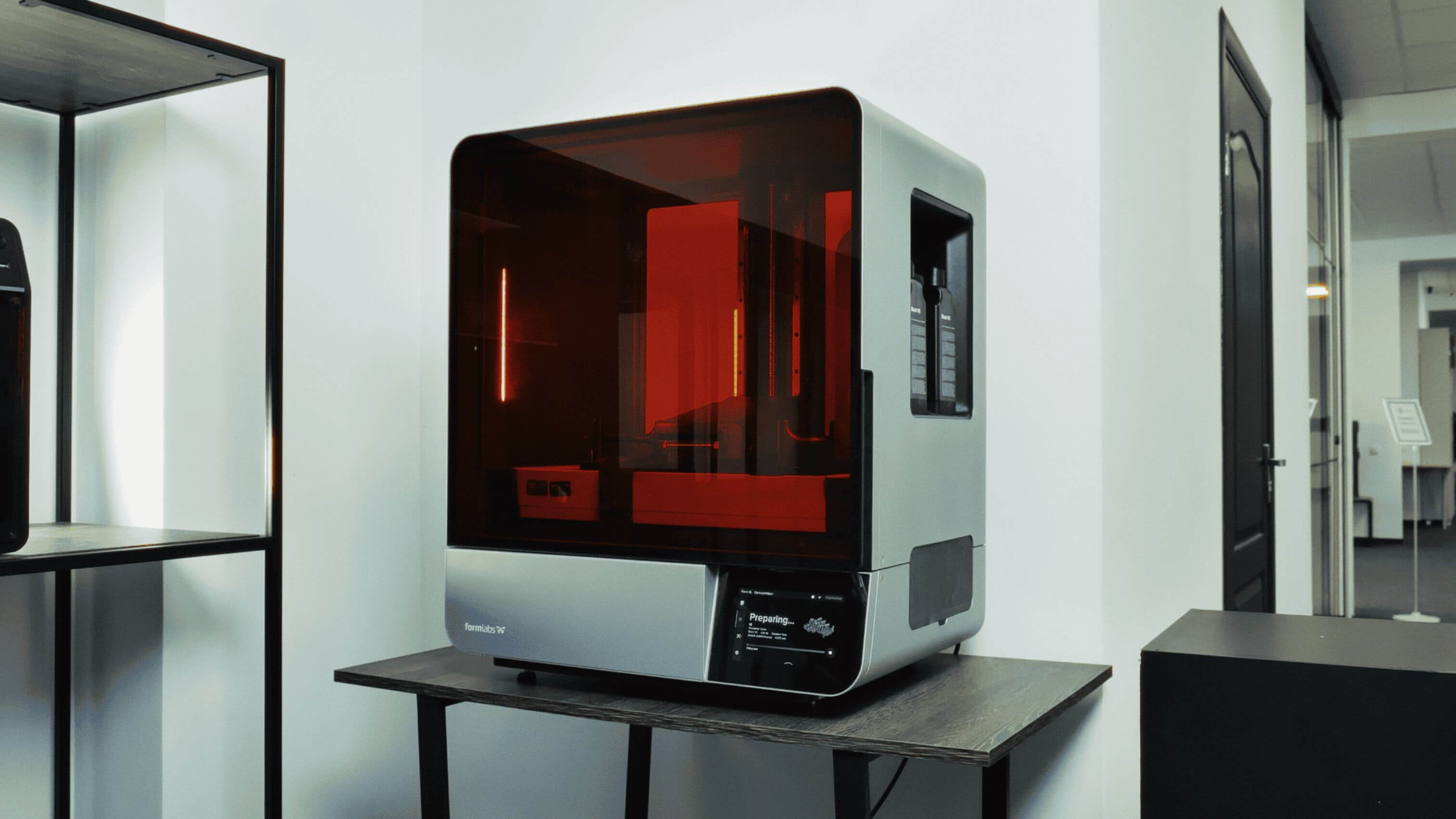
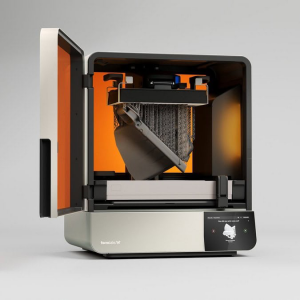
Донедавна вважалося, що великоформатний високоточний SLA-друк вимагає компромісу з часом. Ми на практиці перевірили, як зміна технології впливає на економіку виробництва, порівнявши попередню систему Form 3L з новим поколінням 3D-принтерів – Formlabs Form 4L.
Технологія LFD: причина прискорення у 2-3 рази
Головна проблема класичного SLA-друку полягала у принципі формування деталі: лазер мав послідовно "обмалювати" кожну точку на шарі. Чим більше деталей знаходилося на робочій платформі, тим довшим був цикл.
Нова система Form 4L вирішує цю проблему завдяки переходу на технологію Low Force Display™ (LFD). Замість точкового впливу, надпотужне джерело світла та оптична система засвічують усю площину шару одночасно за один прохід.
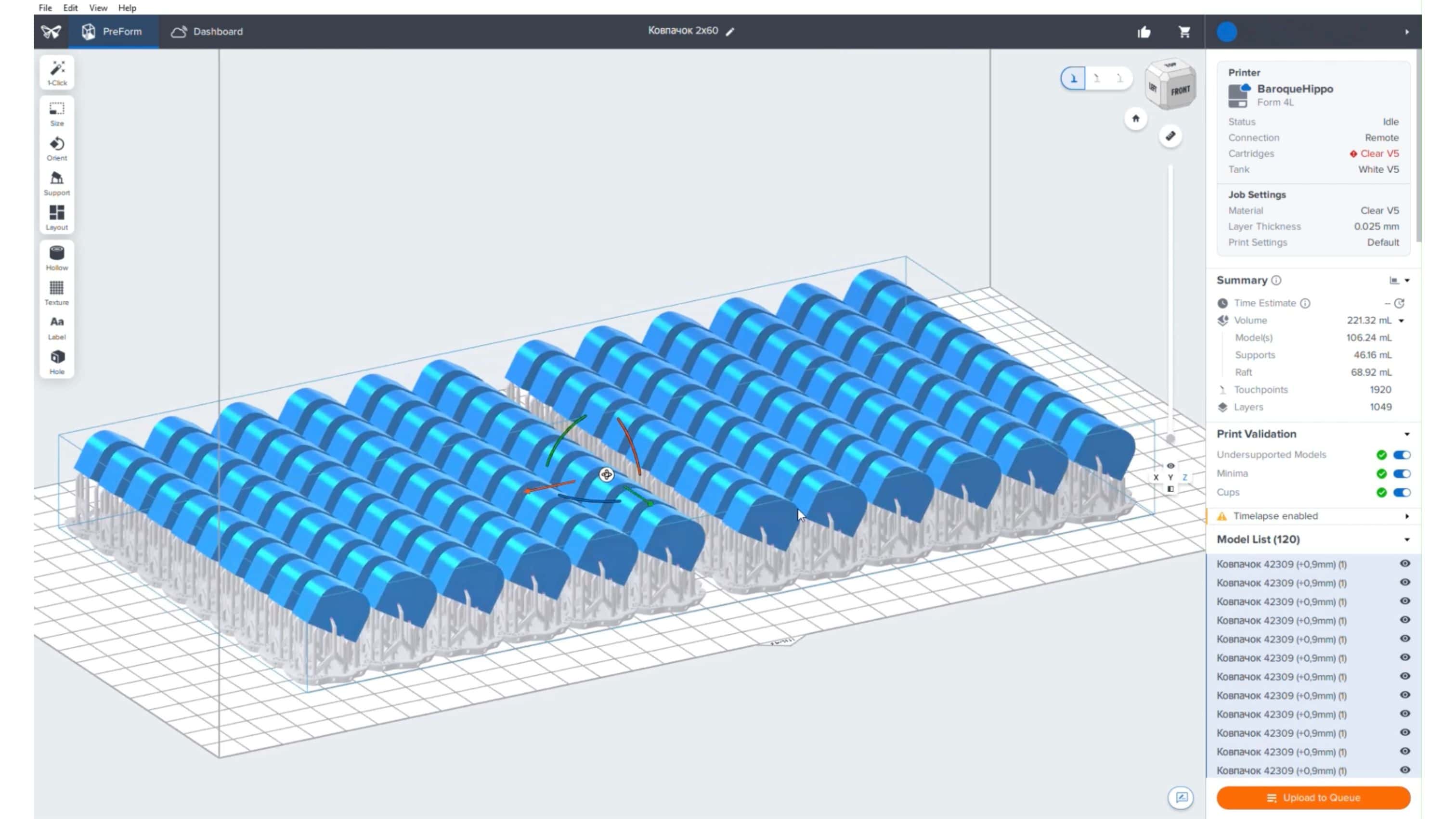
На практиці це дає радикальне прискорення. Під час нашого тестування деталь, яка на Form 3L друкувалася 4 години, на Form 4L була повністю готова за 1,5 години. Завдяки програмному забезпеченню PreForm інженери можуть максимально щільно заповнювати робочу область (330 × 190 × 300 мм) – час друку залежатиме лише від висоти об'єктів по осі Z, а не від їхньої кількості на столі.
Матеріали та безперебійність процесу
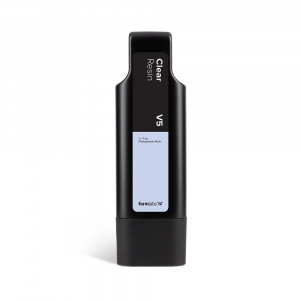
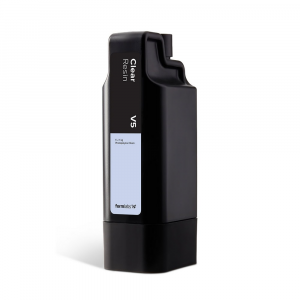
Швидкий друк вимагає відповідної пропускної здатності матеріалів. У нашому тесті використовувалася інноваційна фотополімерна смола Formlabs Clear Resin V5.
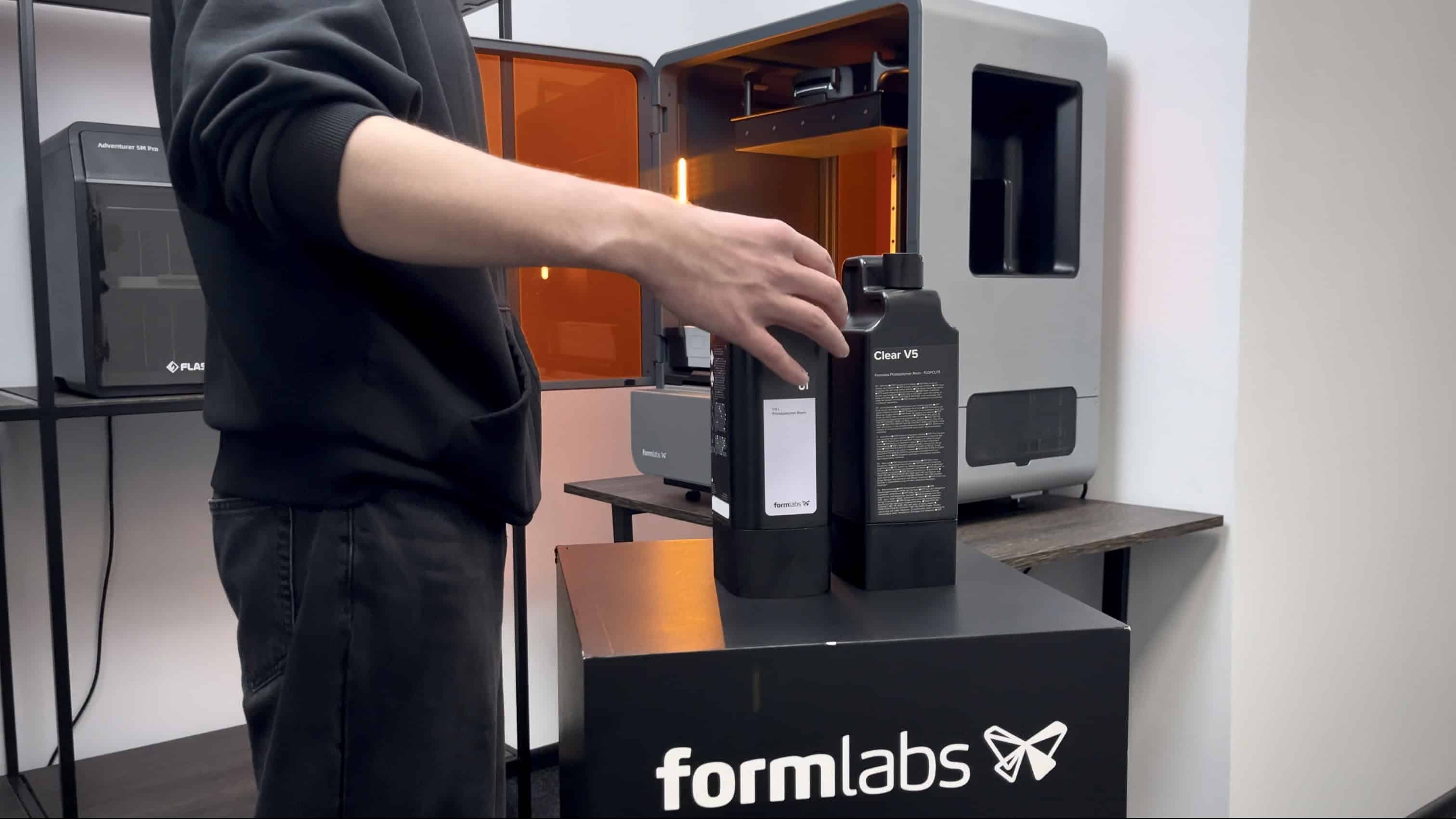
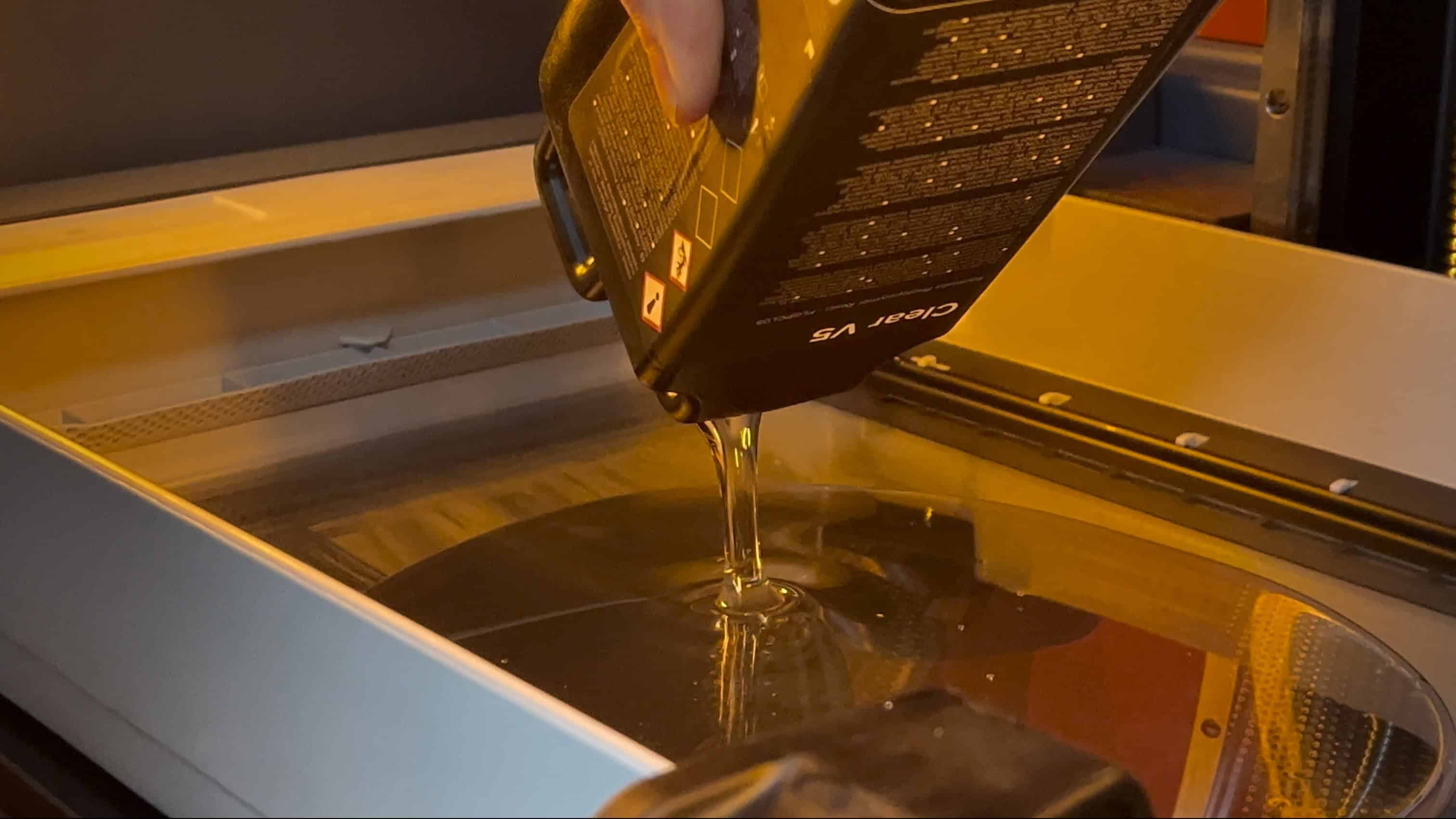
Цей матеріал відрізняється винятковою прозорістю та оптимізований для роботи на екстремальних швидкостях технології LFD. Автоматична система подачі смоли у Form 4L гарантує, що навіть при повному завантаженні камери друк не зупиниться через нестачу матеріалу.
Масштабування: від швидких ітерацій до серійного виробництва
Ми протестували Form 4L у двох кардинально різних сценаріях, щоб продемонструвати його гнучкість для виробничих завдань:
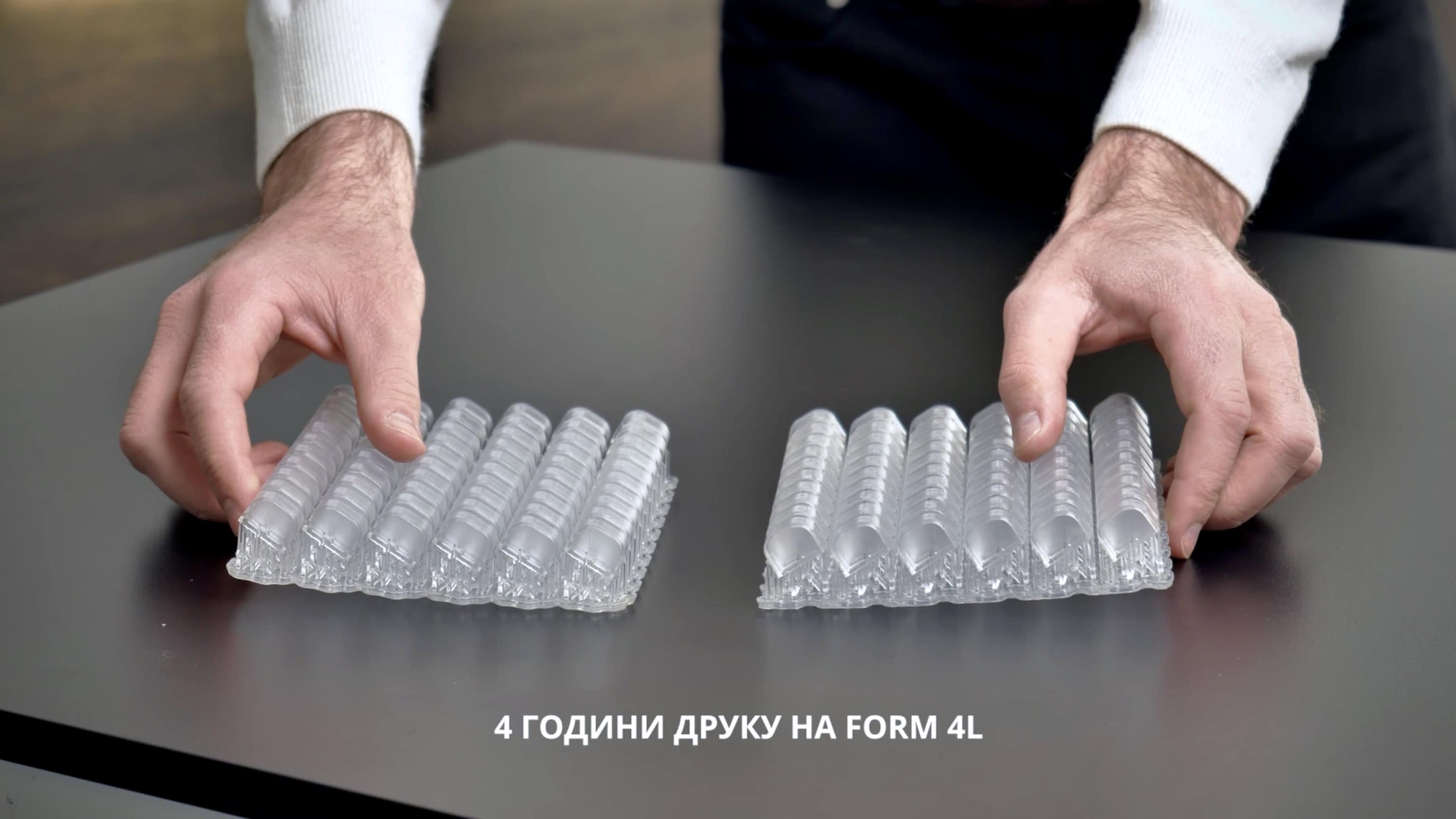
Сценарій 1: швидка ітерація (4 години)
Якщо R&D-команді потрібно терміново перевірити гіпотезу або видати тестову партію до кінця робочої зміни, принтер здатний видати дві повністю заповнені платформи деталей всього за 4 години.
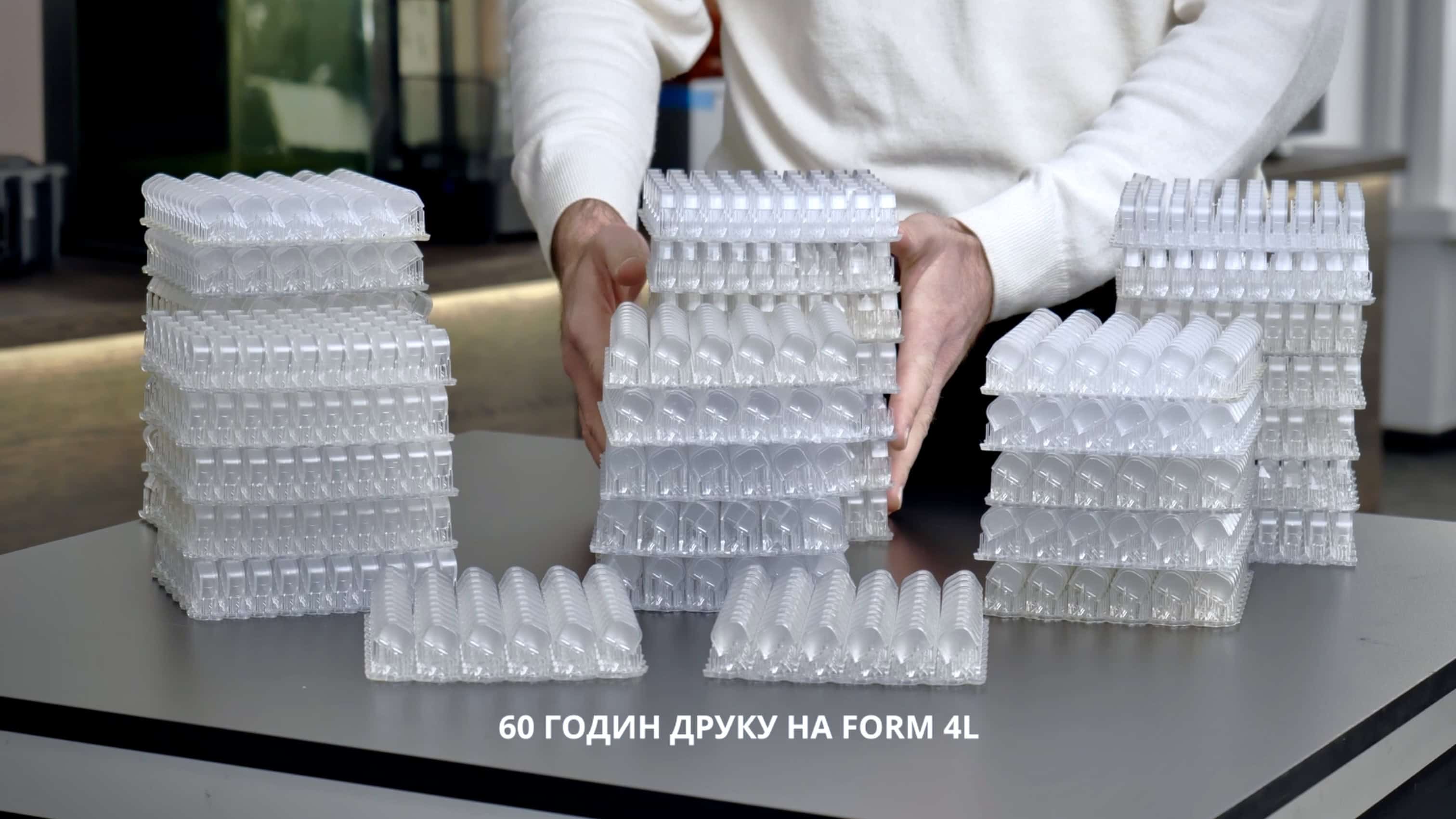
Сценарій 2: серійне виробництво та пропускна здатність (60 годин)
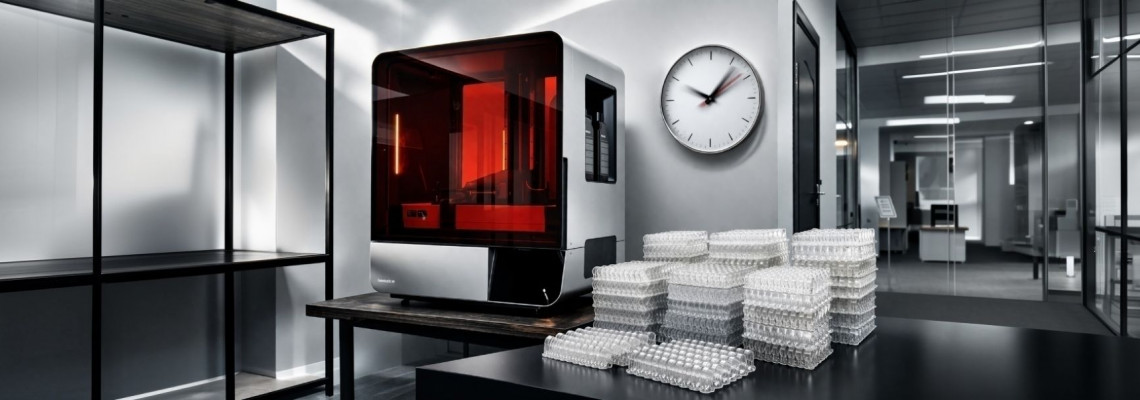
Для підприємств із регулярним потоком замовлень Form 4L працює як повноцінний виробничий вузол. Видима на фото партія деталей – це результат 19 циклів, які сумарно зайняли 60 годин роботи принтера. Можливість швидкого переналаштування платформ дозволяє зберігати стабільний темп виготовлення з прогнозованим часом реалізації замовлень.
Важливий фактор економії: Form 4L споживає приблизно на 30% менше електроенергії порівняно з аналогічними системами при ідентичному об'ємі друку. Для виробництв, що працюють щодня в режимі 24/7, це відчутна різниця в рахунках за місяць.
Екосистема повного циклу
Отримання якісної деталі не закінчується в принтері. Для збереження розмірної точності та механічних властивостей (особливо при серійному виробництві) необхідна стандартизована постобробка.
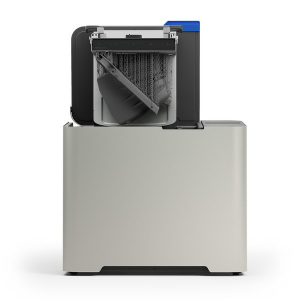
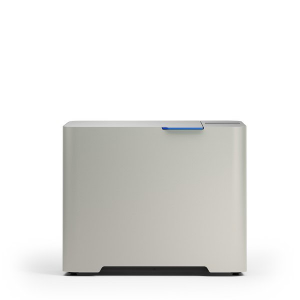
Платформа з готовими виробами переміщується до автоматизованої великоформатної мийки Formlabs Form Wash V2, яка без втручання оператора очищає залишки полімеру. Фінальні характеристики міцності деталь здобуває у камері полімеризації Formlabs Form Cure L V2. Наявність усієї екосистеми зводить ручну працю до мінімуму.
Висновки: кому це актуально?
Перехід на екосистему Formlabs Form 4L економічно обґрунтований для:
- Виробництв із регулярним потоком деталей: корпуси приладів, функціональні прототипи, оснащення для цехів, кастомні компоненти.
- R&D-команд та конструкторських бюро: де затримка тестування прототипу на добу означає зупинку всього проєкту.
Компанія 3Ddevice є офіційним дистриб'ютором Formlabs в Україні. Ми не просто постачаємо обладнання, а впроваджуємо його у ваші виробничі процеси. При покупці ви отримуєте професійне навчання персоналу, пусконалагоджувальні роботи та офіційний технічний сервіс.
Запрошуємо до нашого шоуруму, щоб побачити роботу технології LFD наживо.
Зв'язатися з технічним спеціалістом


Залишити коментар