
Що таке пряме лазерне спікання металів?
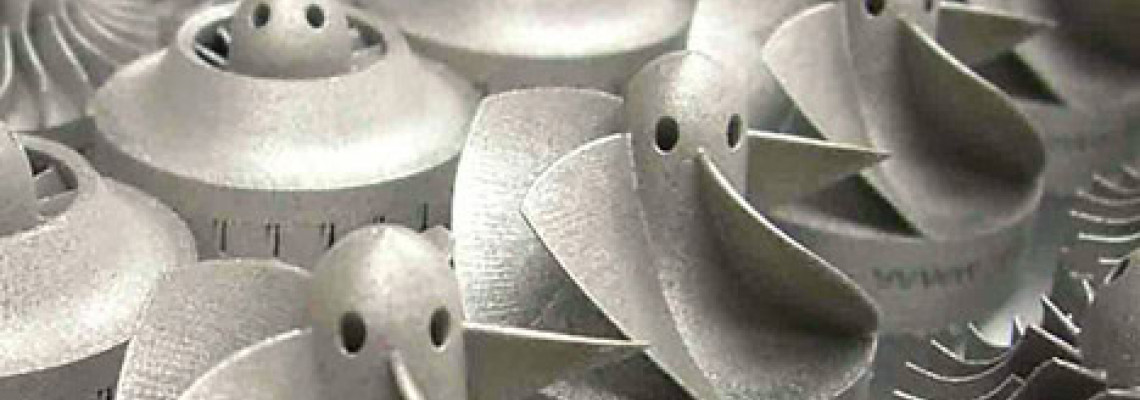
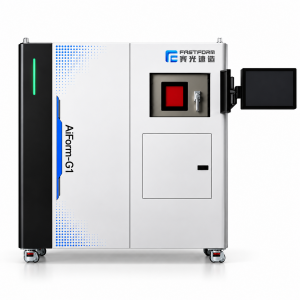
Технологія прямого лазерного спікання металів (Direct Metal Laser Sintering, DMLS) широко використовується в промисловості та представлена широкою лінійкою професійного обладнання для 3D-друку. Її суть полягає у відтворенні виробів за заданими 3D-моделями зі спеціального металевого порошку за допомогою променя лазера. Багато в чому ця технологія споріднена із селективним лазерним спіканням (SLS) та селективним лазерним плавленням (SLM).
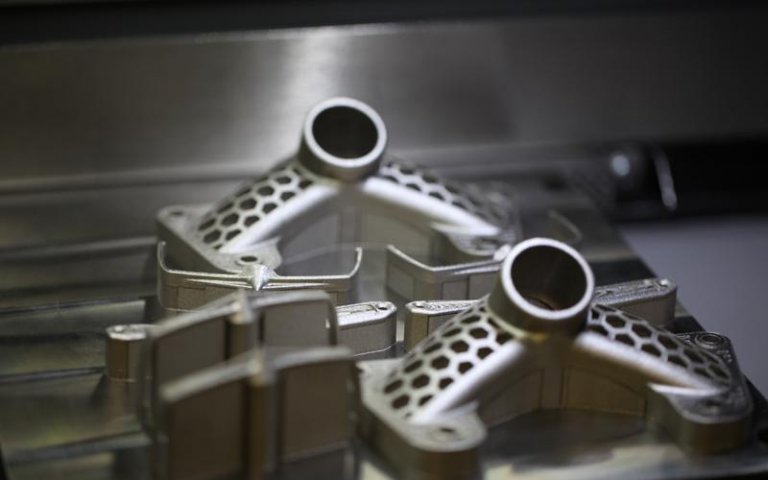
Проте це різні методики зі своїми перевагами та недоліками. Пряме лазерне спікання призначене для адитивного виробництва металевих деталей практично будь-якої складності. Висока точність такого 3D-обладнання зводить до мінімуму похибки відтворення, а особливості самого процесу надають виробам надзвичайної міцності.
Як відбувається процес 3D-друку?
Базовий принцип тут ідентичний до інших технологій 3D-друку. Основою для створення фізичного об'єкта є його тривимірна модель у форматі, який підтримує 3D-принтер. У спеціальному програмному забезпеченні модель готують до друку, задаючи всі необхідні параметри побудови. Підготовлений файл надсилається на принтер, після чого розпочинається безпосереднє спікання.
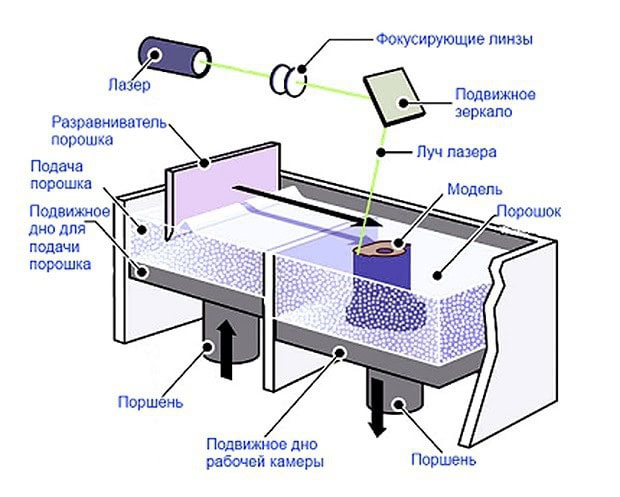
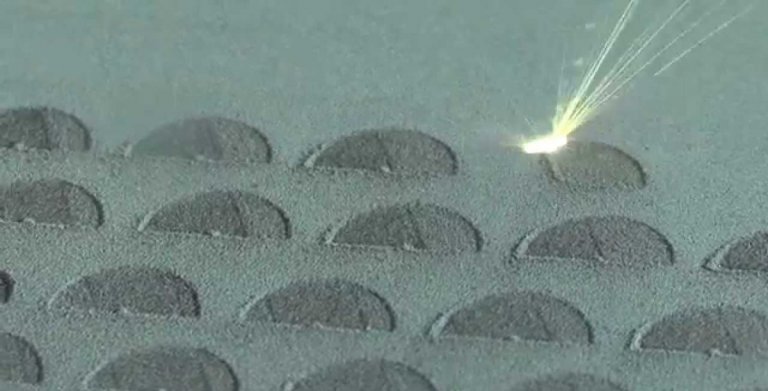
Головними «дійовими особами» на цьому етапі є камера з металевим порошком, сам матеріал, спеціальний валик (або рекоатер) для його вирівнювання та один або кілька лазерів. Спочатку в камеру подається обсяг матеріалу, необхідний для формування одного шару. Порошок рівномірно розподіляється по платформі, а надлишки видаляються. Після цього розпочинається побудова: лазер проходить по контуру першого шару, спікаючи частинки металу. Далі подається нова порція порошку, знову вирівнюється, і лазер спікає вже другий шар моделі. Цей цикл повторюється аж до повного відтворення деталі.
Пряме лазерне спікання металів: особливості та переваги
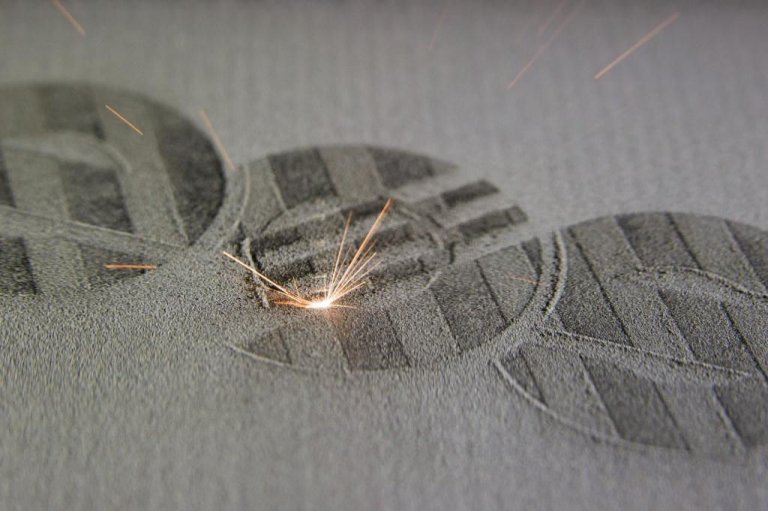
Мабуть, головним фактором, що впливає буквально на все у 3D-друці цього типу, є потужність та кількість лазерів. Причому тут все не так однозначно, як здається на перший погляд. Потужність лазера прискорює друк, проте надто висока швидкість негативно позначається на якості деталей. Очевидно, що тут потрібно шукати золоту середину. Якщо ж ви не готові йти на компроміси в якості, але швидкість для вас критична — варто звернути увагу на 3D-принтери з кількома лазерами. Такий підхід дозволяє компенсувати втрати якості та суттєво прискорити виробництво.
Переваги технології DMLS
- Практично безвідходне виробництво. Весь порошок, що не був задіяний під час друку, можна просіяти та використовувати повторно.
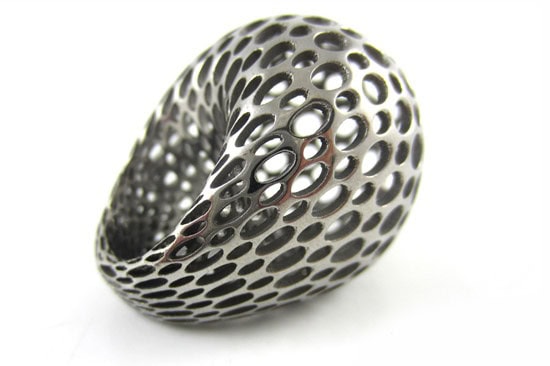
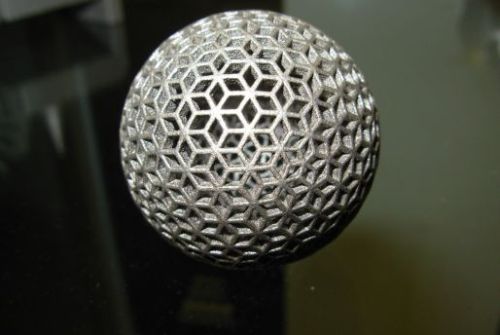
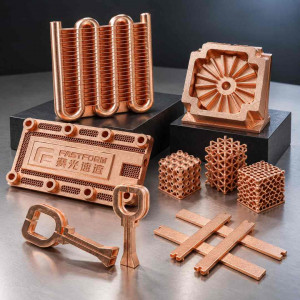
- Створення деталей будь-якої складності. Ця технологія практично не обмежує інженера в геометрії внутрішніх та зовнішніх контурів.
- Друк кількох виробів одночасно. Все залежить від габаритів 3D-моделі та об'єму робочої камери. На такому обладнанні можна легко налагодити дрібносерійне виробництво.
- Висока швидкість отримання готових деталей. Всього за кілька годин ви отримуєте повністю функціональний виріб, що в рази швидше за класичне лиття під тиском.
Серед недоліків варто зазначити, що DMLS залишається технологією пошарової побудови. Попри високу міцність готових деталей, вони не є абсолютно монолітними й поки що не можуть повною мірою конкурувати з суцільнолитими компонентами. Втім, технологія стрімко розвивається, і цілком ймовірно, що невдовзі цей недолік залишиться в минулому.
Які матеріали використовуються?
Ми вже знаємо, що DMLS працює зі спеціальними порошковими матеріалами. Але що це за сировина? Сьогодні на ринку доступні різноманітні промислові сплави. Найбільш затребуваними є нержавіюча сталь, бронза, титанові, нікелеві та алюмінієві сплави. Крім того, доступна низка вузькоспеціалізованих надміцних матеріалів, таких як кобальт-хром-молібден та мартенситно-старіюча сталь.
Де застосовується ця методика?
Як зазначалося раніше, пряме лазерне спікання є суто промисловою технологією 3D-друку, затребуваною в різних галузях виробництва. Висока вартість обладнання та витратних матеріалів виключає її побутове застосування. Основні сфери та напрямки використання технології:
- Швидке прототипування
- Серійне виробництво
- Виготовлення функціональних прототипів
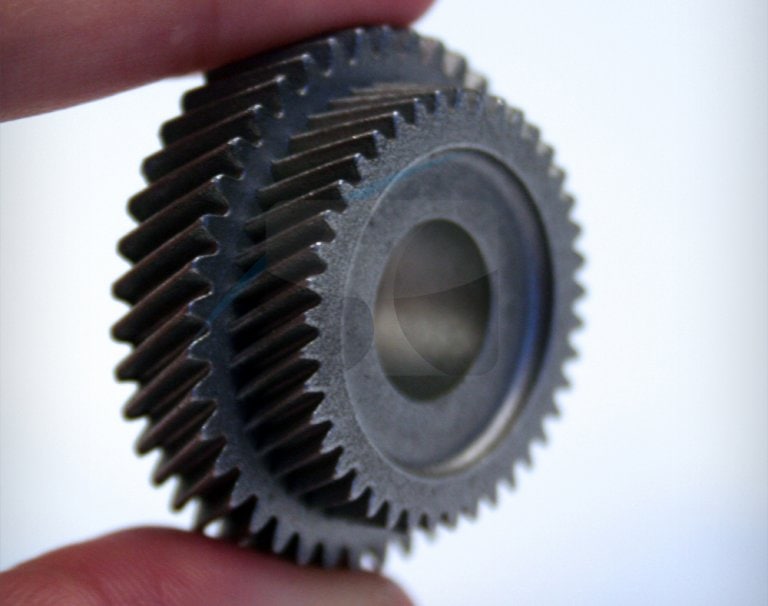
- Виробництво деталей зі складною геометрією
- Аерокосмічна, стоматологічна та медична галузі
Ознайомитися з промисловим обладнанням для металевого 3D-друку ви можете в розділі Професійні 3D-принтери. Ми також із задоволенням проконсультуємо вас щодо вибору техніки та оптимальних адитивних технологій. З усіх питань звертайтеся до нас у будь-який зручний спосіб, вказаний у розділі Контакти.


Залишити коментар