
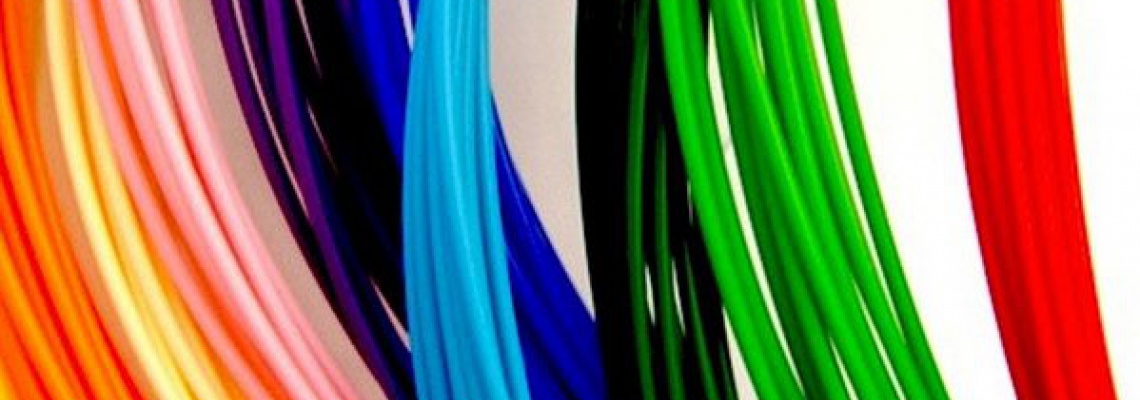
3D технології стрімко розвиваються, завдяки чому 3D принтери стають більш доступними. Яким би легким не було управління та робота з 3D принтерами, при роботі з ними все одно виникає ряд питань. Одним з актуальних питань є вибір витратних матеріалів. Яким матеріалом скористатися, задаються практично всі власники 3D принтерів у світі: що краще обрати, ABS чи PLA пластик?
Винятком є той випадок, якщо ваш 3D принтер не може друкувати різними видами пластика, а використовує лише один вид матеріалу.
Перш ніж робити свій вибір, варто розібратися, що являє кожен матеріал, для яких цілей він більше підходить.
ABS і PLA — обидва термопластики, які плавляться при високій температурі й тверднуть при охолодженні. З них можна друкувати будь-які вироби.
Почнемо з ABS.
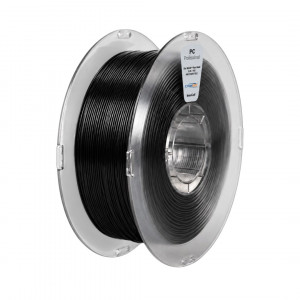
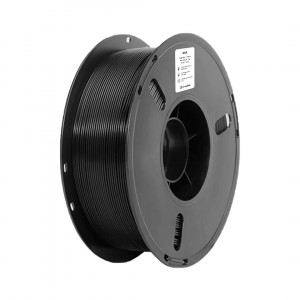
ABS (Acrylonitrile butadiene styrene) — акрилонітрилбутадієнстирол, є одним з найпоширеніших матеріалів для 3D друку. Робоча температура — 210-270°C. Має хорошу хімічну стійкість, досить великий вибір кольорів, непрозорий, легко піддається гальванізації та металізації.
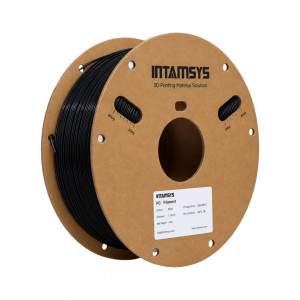
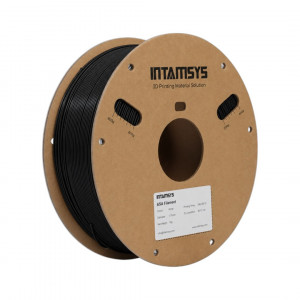
ABS пластик чи PLA пластик?
Він більш поширений і має порівняно низькі ціни.
Основною проблемою ABS є те, що вироби з нього піддаються деформації. Усадка готового виробу призводить до того, що він відрізняється від заданих параметрів, а також це може призвести до збою в процесі друку.
Це відбувається через те, що під час друку свіжий шар охолоджується і стискається, він тягне нижню частину, і якщо деформація досить сильна, це може насправді відірвати виріб від основи, що призводить до спотворення або повної невідповідності готової моделі.
Цю проблему можна вирішити за наявності в 3D принтері платформи з підігрівом або використання додаткових засобів фіксації виробу до основи.
Крім того, при друку гострі кути трохи заокруглюються, а це знижує якість виробу. Цю проблему можна усунути за допомогою звичайного вентилятора.
Ще один мінус: ABS пластик менш еластичний порівняно з пластиком PLA.
Він вимагає додаткового контролю над процесом друку.
ABS пластик легко піддається постобробці, шліфується і піддається механічному впливу.
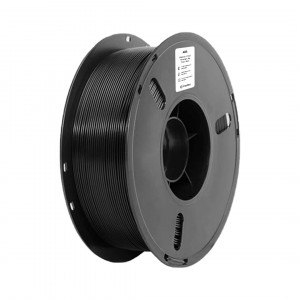
Як вибрати правильний філамент?
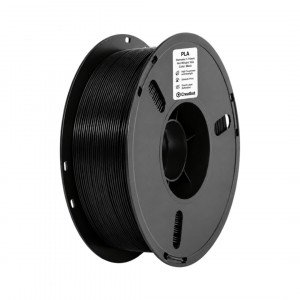
PLA (Polylactic acid) — полілактид (поліефір на основі молочної кислоти), виробляється з натуральної сировини (кукурудзи, буряка, тростини, злакових), є біологічно розкладною речовиною, завдяки цьому він є найменш шкідливим для екології. Робоча температура — 180-190°C, температура склування — близько 55°C. Добре піддається металізації, має низький коефіцієнт тертя, в асортименті є прозорі склади.
Це практично такий же поширений матеріал, як і ABS пластик.
Відмінною рисою PLA є мінімальна деформація, яку можна спостерігати лише при друку великих виробів.Крім того, PLA доступний у широкому різноманітті кольорів, яке постійно збільшується, в тому числі є й оригінальні (прозорий, флуоресцентний).
Незначною, але приємною перевагою є його приємний запах під час друку, а ABS має різкий запах горілої пластмаси.
З PLA працювати легше, він еластичний і має менше пошкоджень у процесі друку. При нагріванні його консистенція більш рідка і гнучка. Завдяки цьому, можна створювати дрібні деталі або добре опрацьовані фігурки.
При роботі матеріал дає високу точність опрацювання деталей.
Готові вироби з PLA мають приємний глянцевий вигляд.
У PLA також є й недоліки, такі як:
- невеликий термін служби – до 2 років, оскільки він біорозкладний;
- менша механічна міцність і підвищена крихкість;
- низький ступінь постобробки – PLA не згладжується ацетоном і погано склеюється.
Головним критерієм при виборі матеріалу для друку є визначення поставлених завдань і вимог до виробу.
Залишити коментар