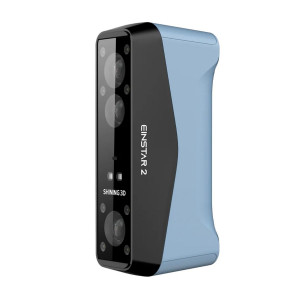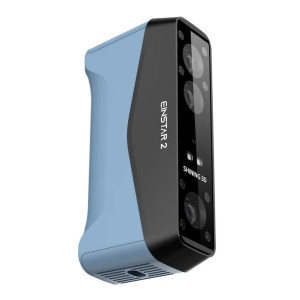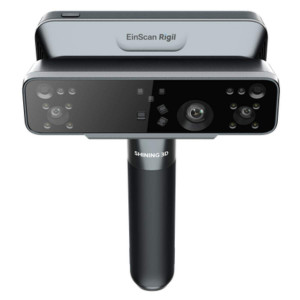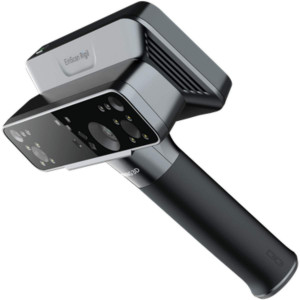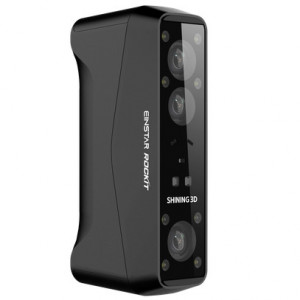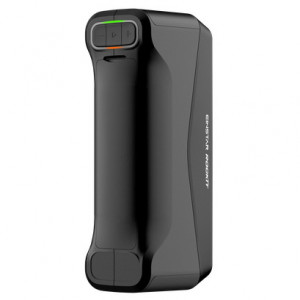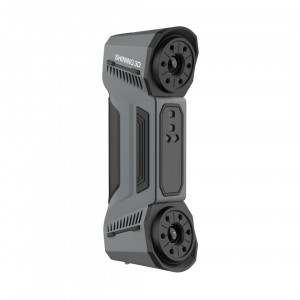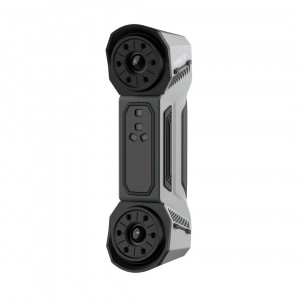


- Stock: In Stock
- Product code: 00-00013325

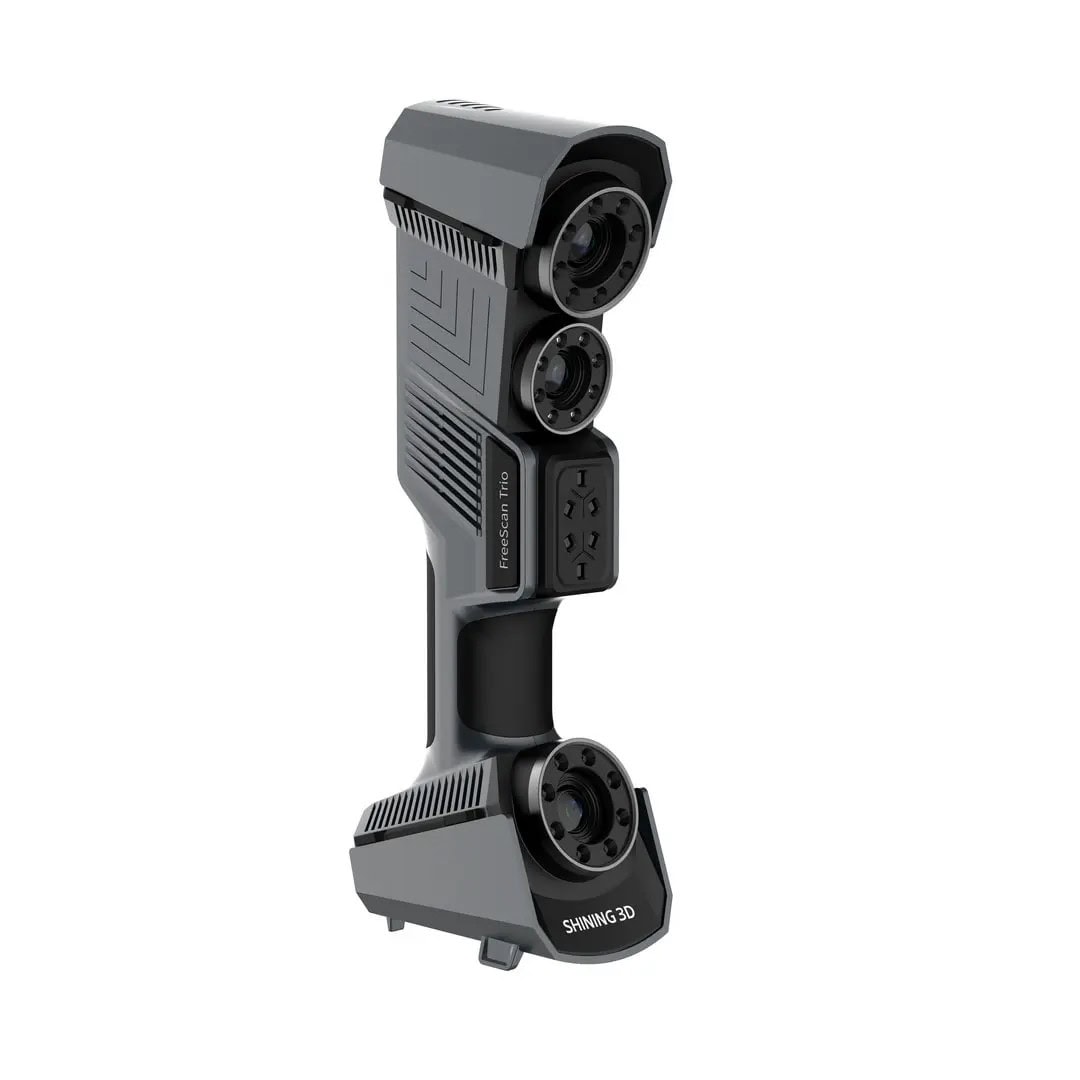
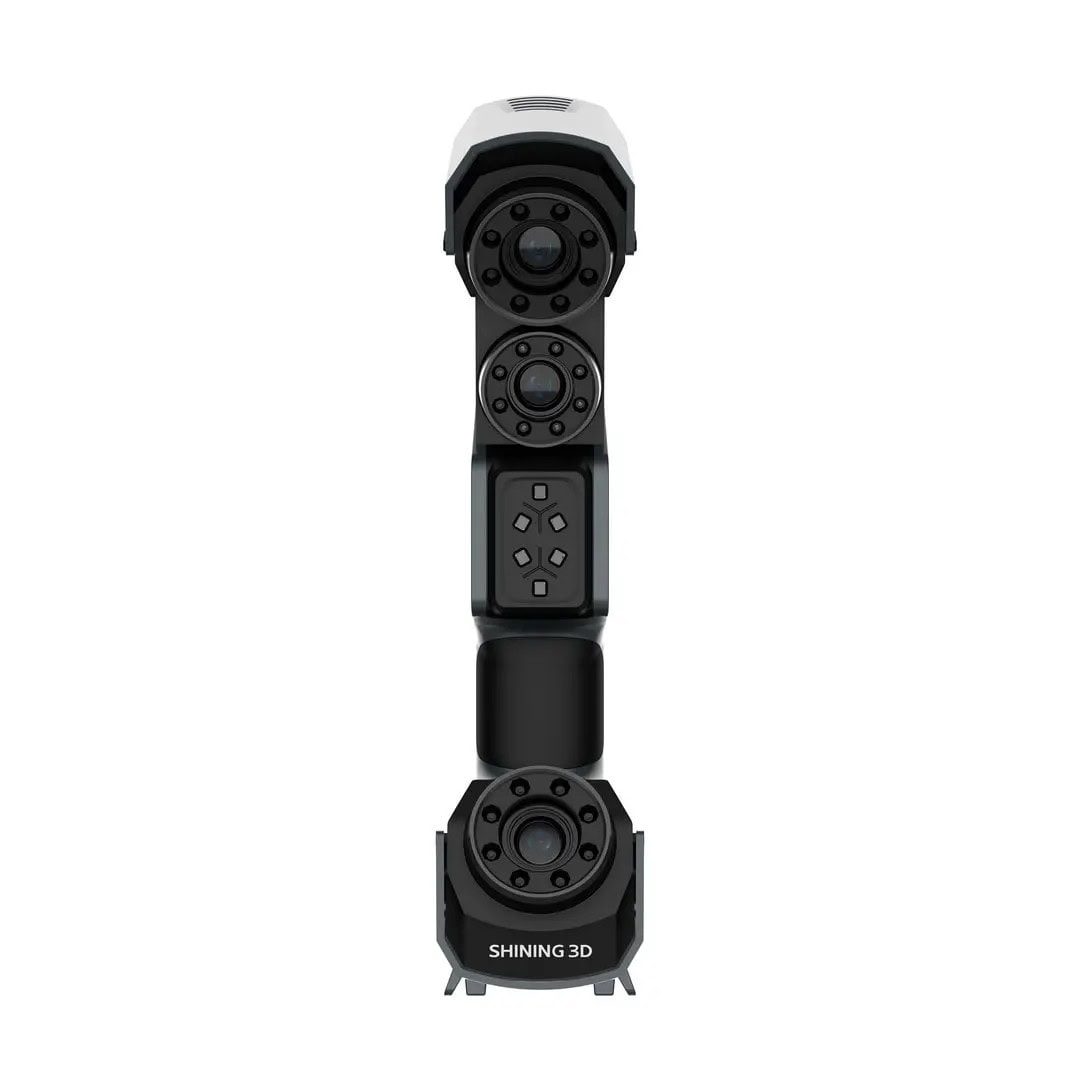
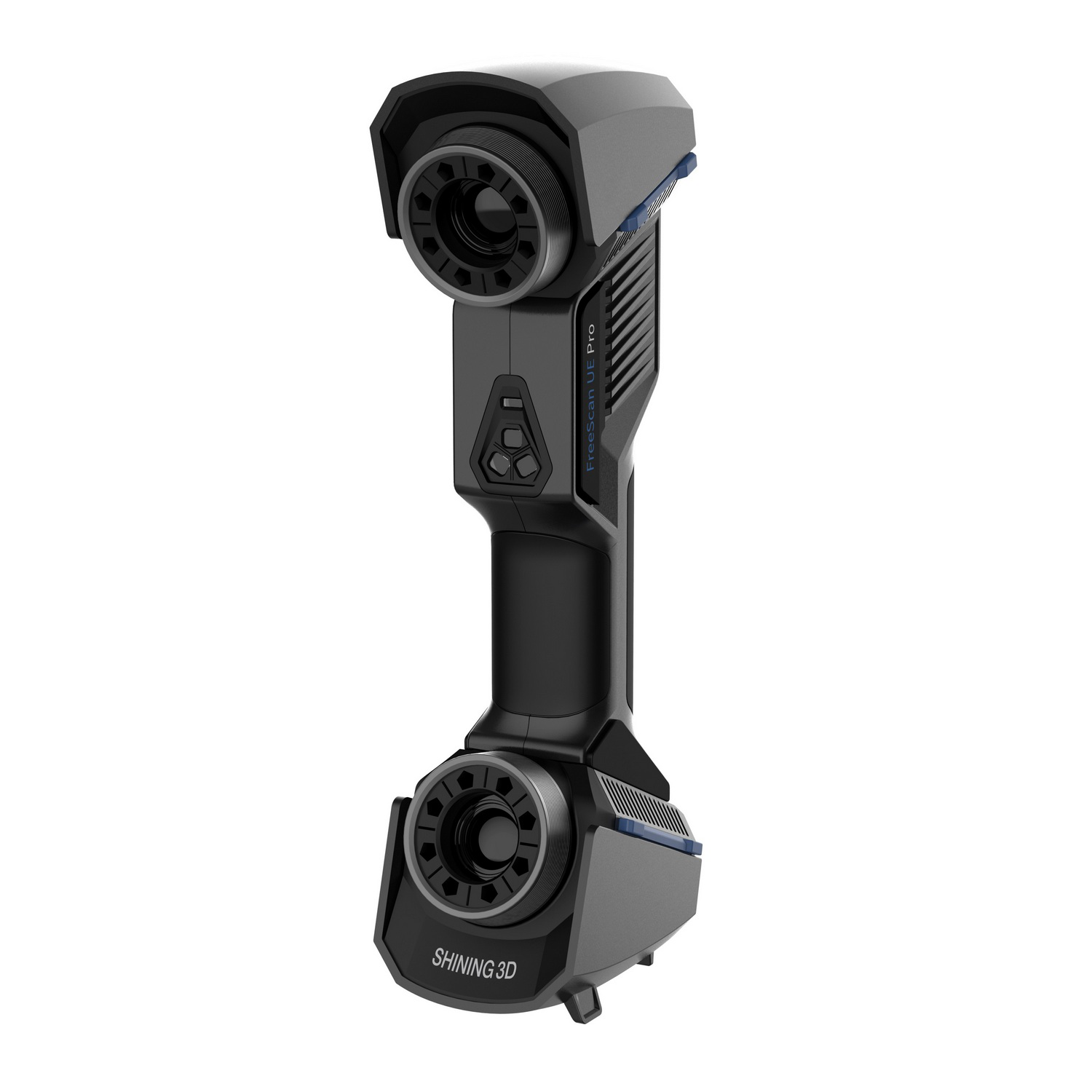
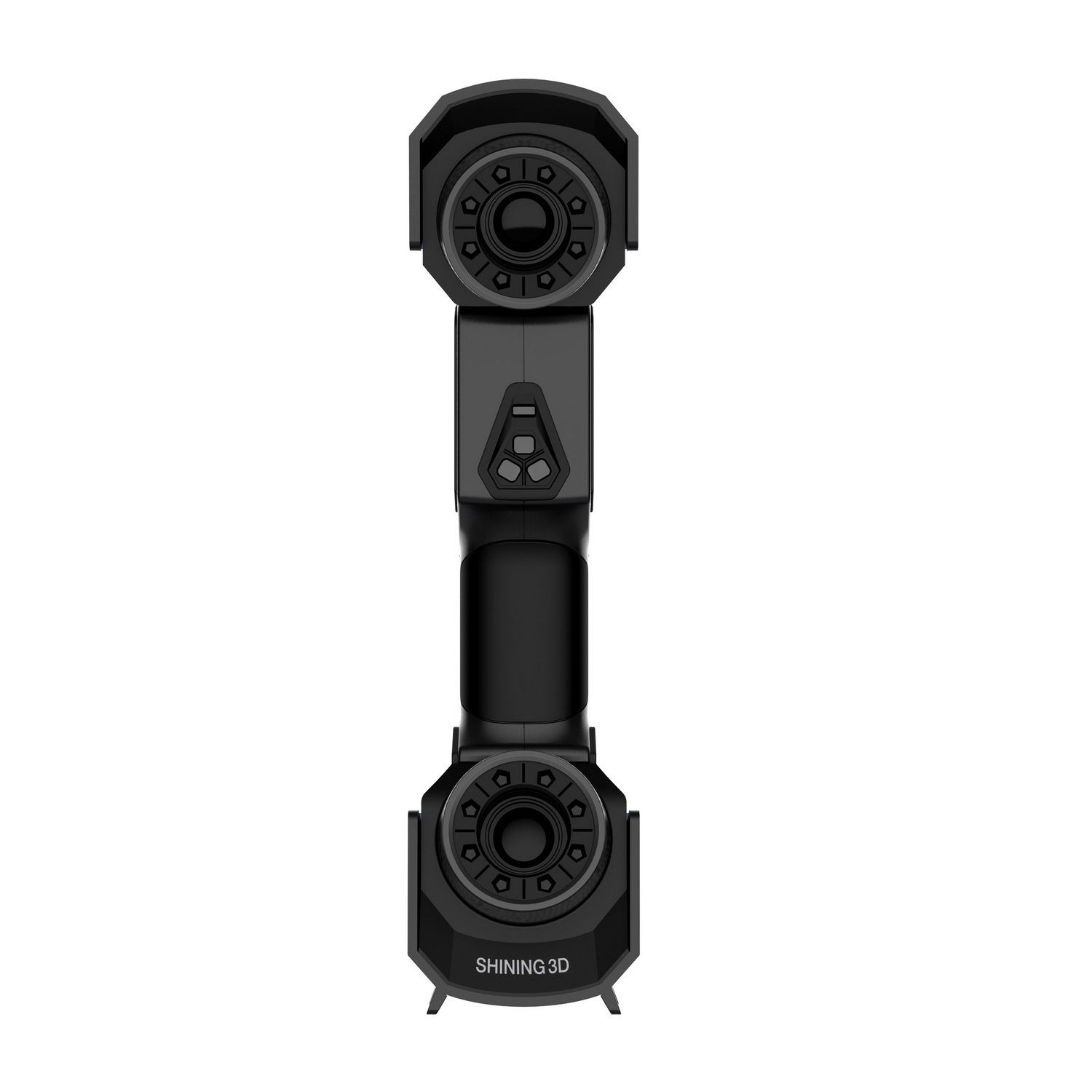
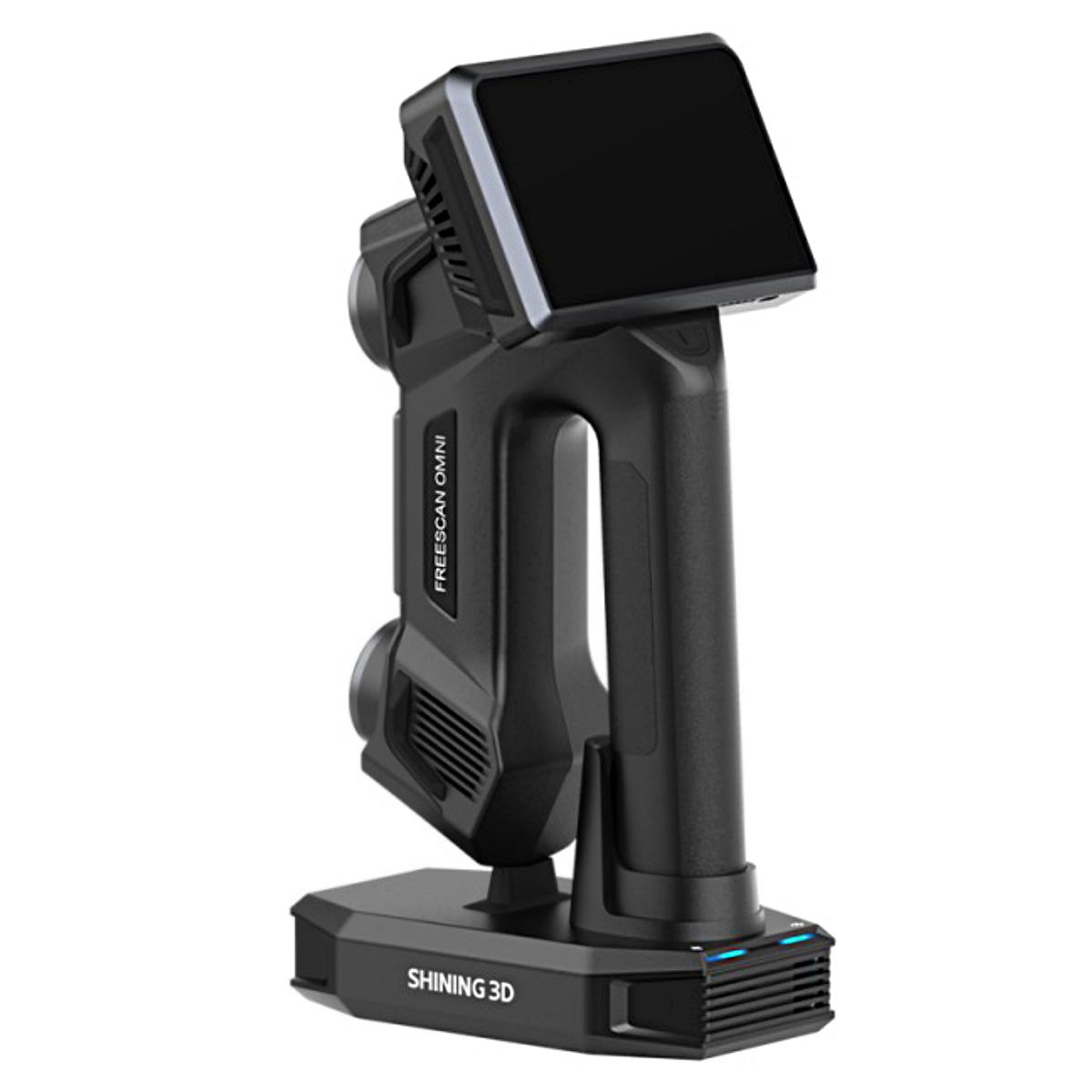
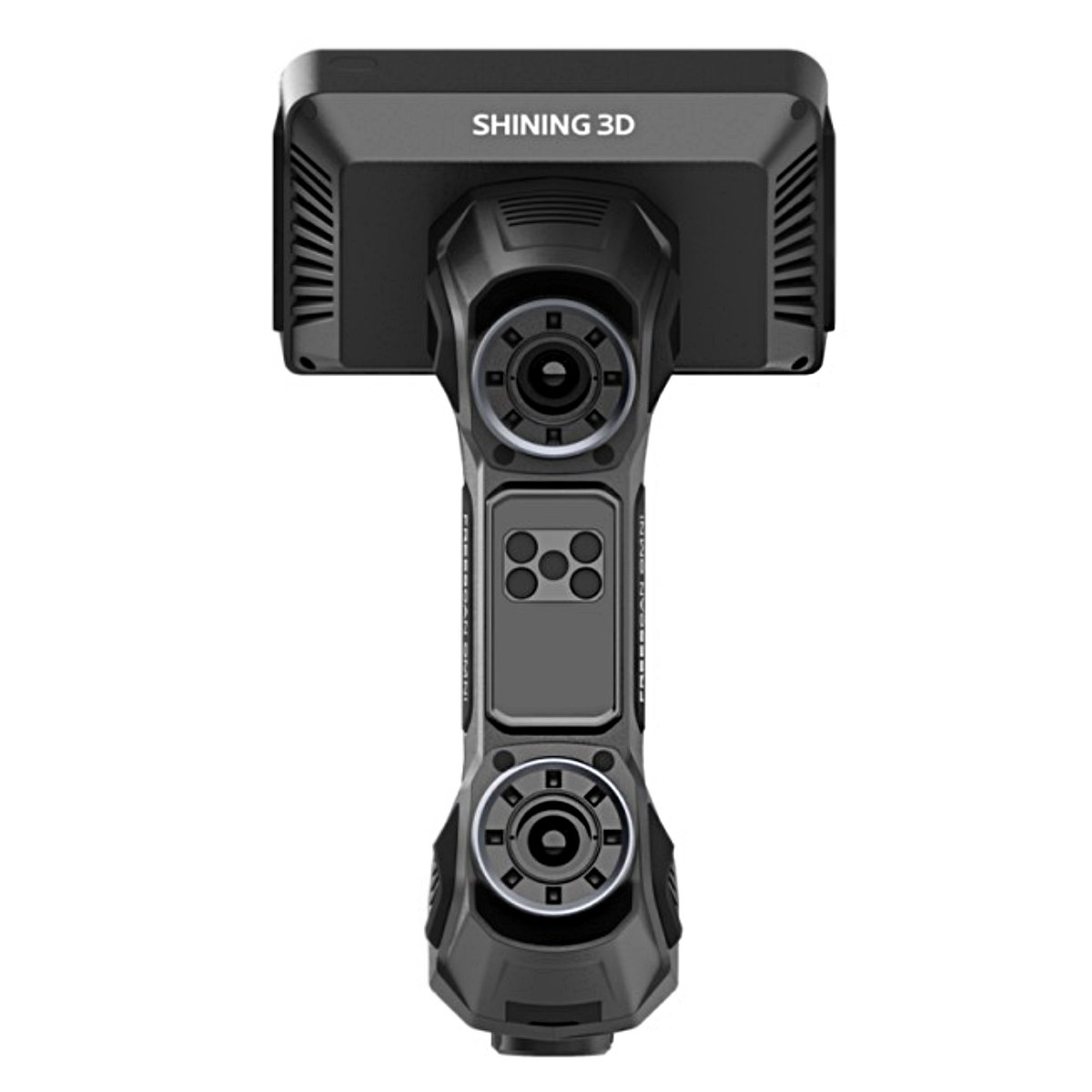
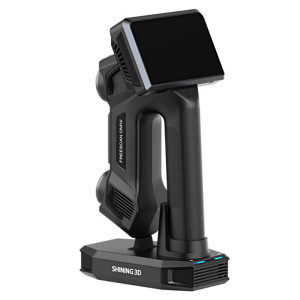
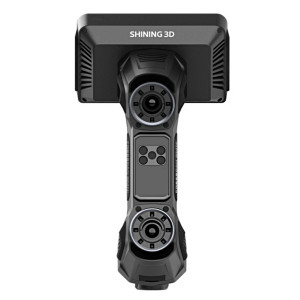
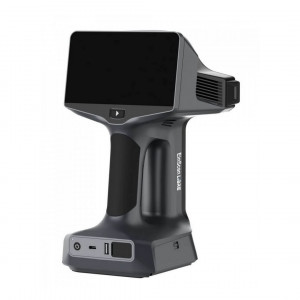
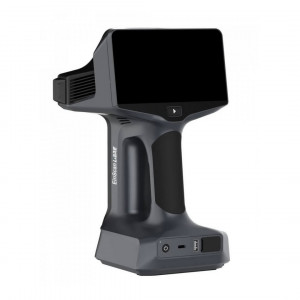
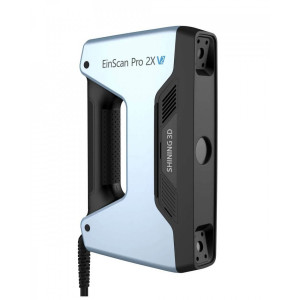
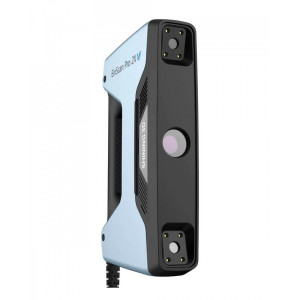
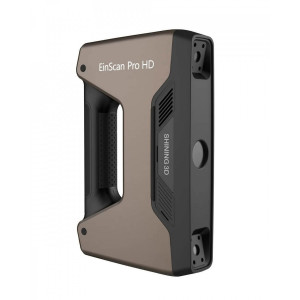
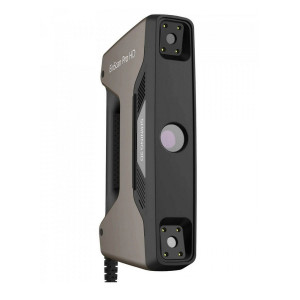
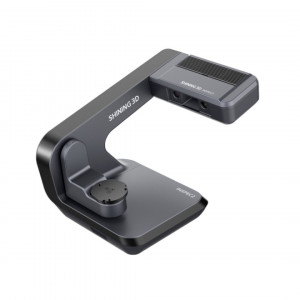
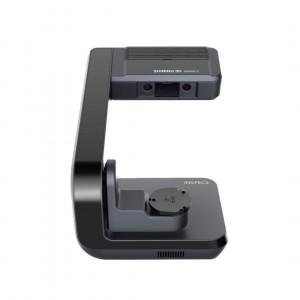
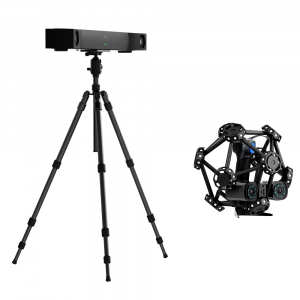
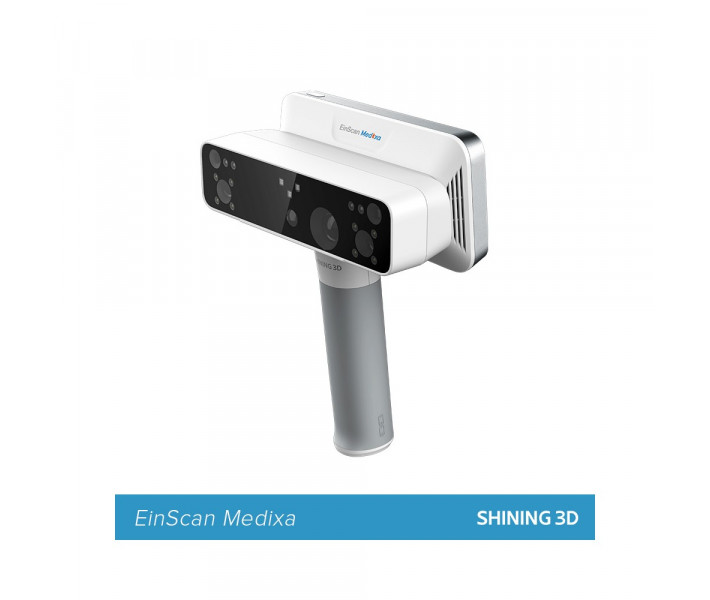
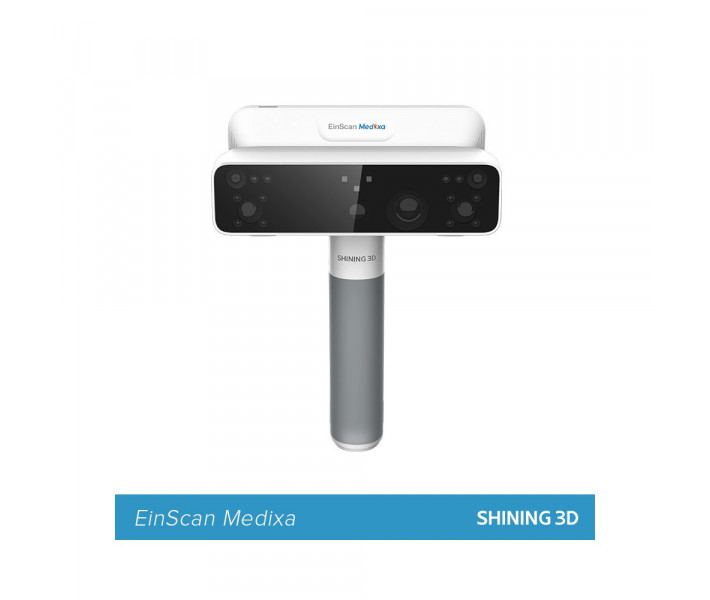
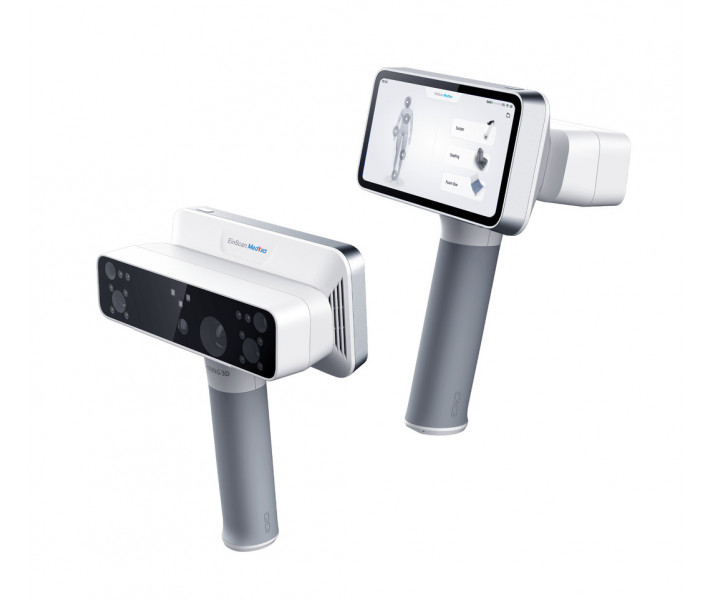
3D Scanner SHINING 3D EinScan Medixa: A Medical Solution for Digital Orthopedics and Prosthetics
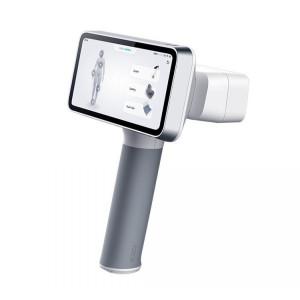
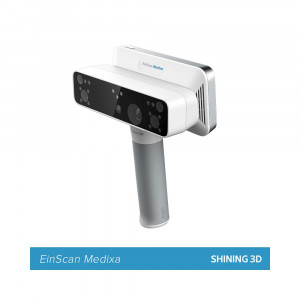
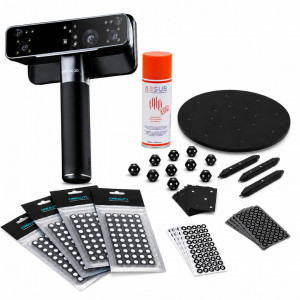
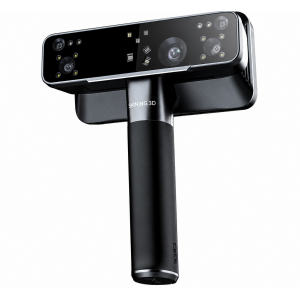
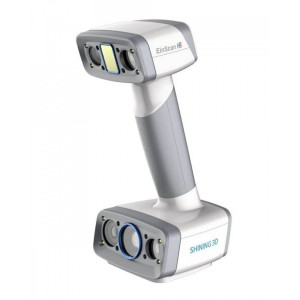
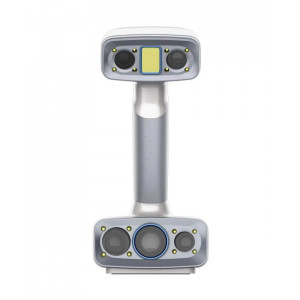
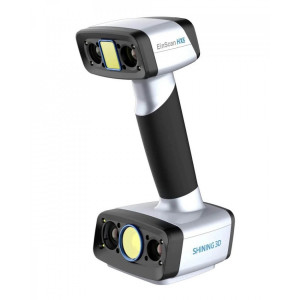
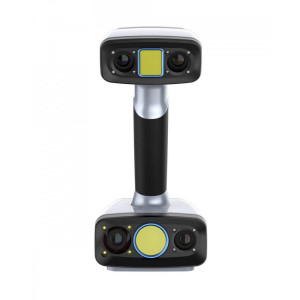
The SHINING 3D EinScan Medixa is a professional 3D scanner designed specifically for the medical field, with a focus on orthopedics, prosthetics, and the production of customized medical devices. Unlike universal industrial scanners, Medixa is tailored to meet the specific requirements of medical institutions, prosthetic laboratories, and orthopedic centers, providing an optimal combination of accuracy, speed, and patient safety.
Applications in Medical Practice
Orthopedics and Orthotic Manufacturing
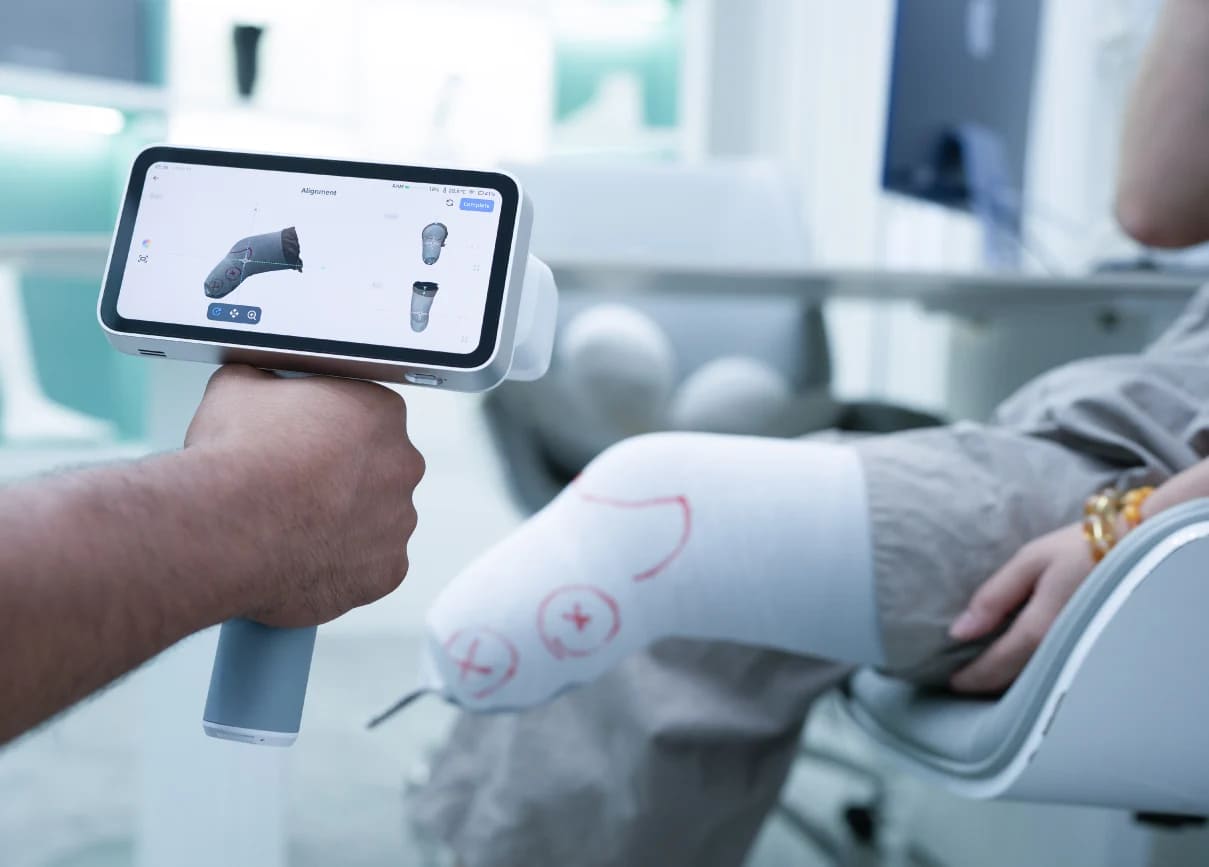
EinScan Medixa enables precise digital scanning of limbs for creating customized orthopedic devices. The system allows for the production of orthoses for the foot, leg, knee, upper limbs, and spine, taking into account the unique anatomy of each patient. Its non-contact scanning method ensures comfort for patients with pain syndromes or hypersensitivity.
Limb Prosthetics
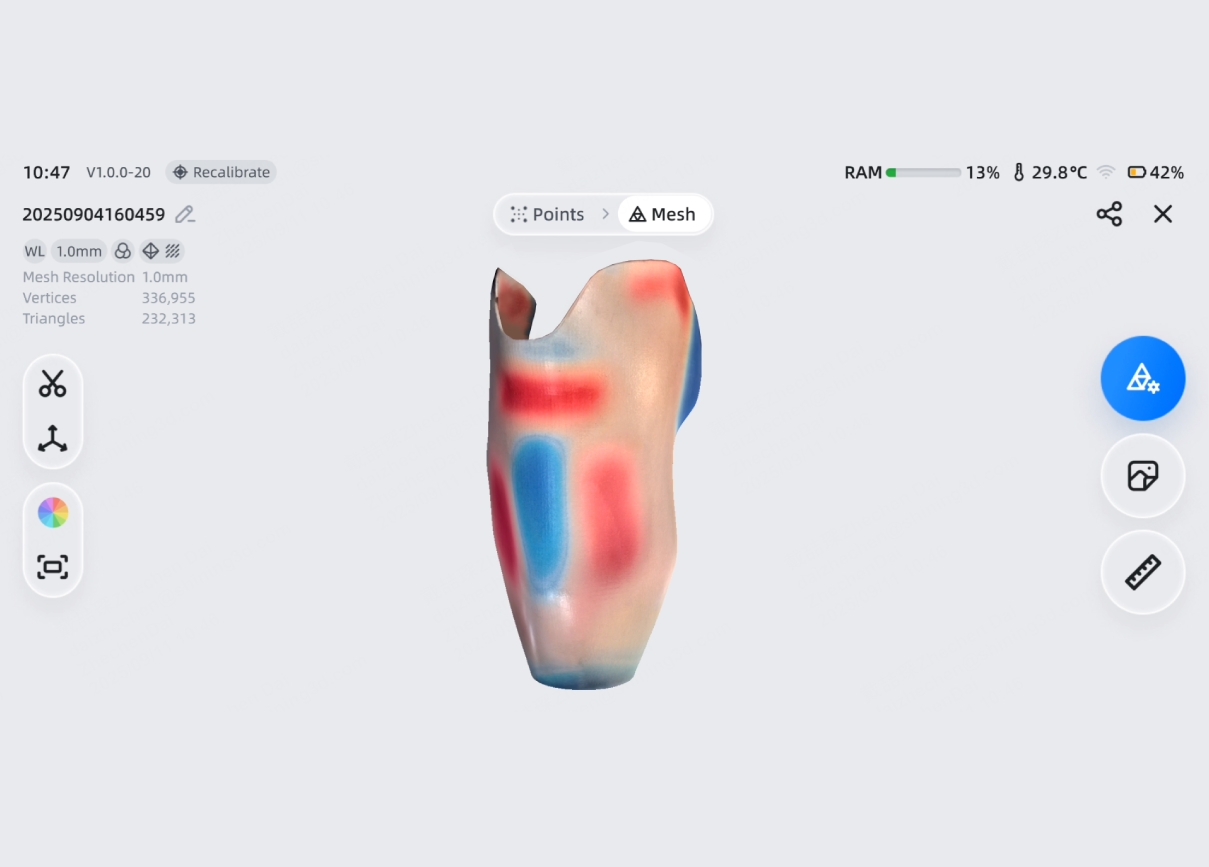
In prosthetics, the scanner revolutionizes the process of creating individualized prosthetic devices. Traditional plaster impressions are replaced by fast digital scanning, significantly improving patient comfort and reducing production time. Accurate digital models of residual limbs allow for the creation of prosthetic sockets with optimal fit and functionality.
Craniofacial Surgery and Reconstruction
In craniofacial surgery, the scanner is used for planning reconstructive procedures and fabricating patient-specific implants and epitheses. The ability to generate precise digital copies of facial and cranial anatomy assists surgeons in preoperative planning and outcome simulation.
Compression Therapy and Phlebology
For producing customized compression garments, the scanner ensures accurate measurement of limb circumferences and shapes. This enables the creation of compression stockings, sleeves, and bandages with optimized pressure distribution, improving the treatment of venous insufficiency and lymphedema.
Technological Features of the Medical Scanner
Safety and Hygiene
EinScan Medixa is engineered according to medical safety standards. It uses safe light-based scanning technology that poses no risk to patients — including children, pregnant women, or individuals with photosensitivity. The device’s design supports regular disinfection in compliance with healthcare hygiene requirements.
Scanning Speed for Medical Applications
High data acquisition speed is essential in medical practice, as patients — particularly those with injuries or chronic conditions — often cannot remain still for long periods. Medixa enables fast limb scanning, minimizing discomfort and improving data quality by reducing motion artifacts.
Adaptive Accuracy
The scanner provides precision sufficient for manufacturing medical devices with optimal fit. The system compensates for the characteristics of soft tissues, their elasticity, and deformation under pressure — a crucial factor in creating prosthetic sockets and orthoses.
Surface Versatility
Medical applications demand the ability to scan diverse surface types — from dry to moist skin, and from light to dark tones. EinScan Medixa is optimized for scanning biological tissues of various types, ensuring consistent results regardless of patient characteristics.
Software for Medical Applications
Specialized Processing Tools
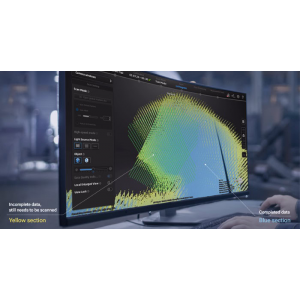
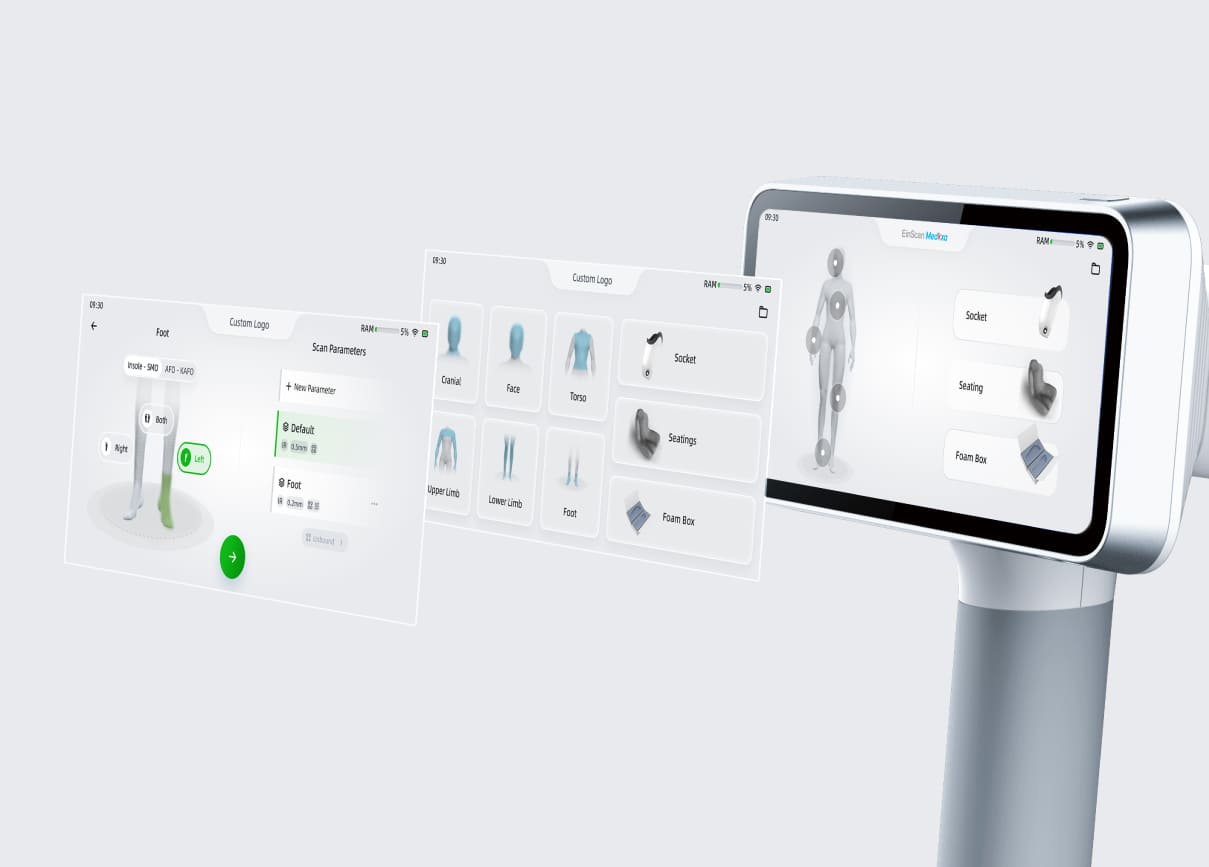
The Medixa software suite includes tools specifically designed for medical use: automatic recognition of anatomical landmarks, circumference and length measurements, flattened surface projections for orthosis design, and model modification tools that account for tissue compression.
Integration with Medical CAD Systems
The scanner integrates seamlessly with specialized CAD software for designing orthopedic and prosthetic devices. Data can be exported in formats compatible with CAD/CAM manufacturing systems, enabling a fully digital workflow — from scanning to final product fabrication.
Patient Data Archiving
Digital models can be stored in patients’ electronic medical records, allowing practitioners to monitor anatomical changes over time, document treatment progress, and simplify the production of replacement or follow-up devices.
Key Benefits for Medical Institutions
Enhanced Patient Comfort
Non-contact scanning eliminates the need for traditional plaster impressions, which can cause discomfort, allergic reactions, or psychological stress — especially in children. The quick and non-invasive scanning process improves patient satisfaction and overall care experience.
Workflow Optimization
Digital workflows significantly reduce the time between initial consultation and product delivery. Eliminating the creation, storage, and transport of physical models increases efficiency in prosthetic workshops and orthopedic centers.
Precision and Customization
High scanning accuracy ensures better-fitting medical devices, which is essential for the functionality of prosthetics and the therapeutic effectiveness of orthoses. Personalized design enhances treatment quality and patient outcomes.
Economic Efficiency
Although the initial investment may be substantial, digital technology reduces operational costs through savings on casting materials, decreased labor time, and fewer remakes due to inaccuracies. The ability to collaborate remotely with manufacturers of medical devices expands clinical capabilities.
Remote Telemedicine
Digital models can be transmitted electronically for consultations with specialists or centralized production facilities. This feature is especially valuable in remote areas where access to specialized medical care is limited.
Documentation and Quality Control
Digital archiving creates a complete record of patient interactions, enabling the monitoring of limb condition changes and providing objective data for evaluating treatment efficacy. It also simplifies quality assurance and regulatory compliance processes in medical device production.
Specification
| Device Model | Medix's EinScan | |
|---|---|---|
| Light Source | White light | Infrared light (IR VCSEL) |
| Scan Presets | Face, Skull, Torso, Upper Limbs, Lower Limbs, Feet, Stump (Prosthetic Socket), Seat, Foam box | |
| Accuracy | RMS* < 0.3 | |
| Working Distance | 200 ~ 600 mm | 160 ~ 1500 mm |
| Field of View (FOV) | 475 × 360 mm | 1090 × 1260 mm |
| Point Distance | 0.2 ~ 3 mm | |
| Safety | LED light (eye-safe) | CLASS I (eye-safe) |
| Texture Camera Resolution | 5 MP | |
| Compatible Accessories | FootStation 2* | |
| Alignment Mode | Geometry, Texture, Markers, Hybrid, Global Markers | |
| Output File Formats | STL, OBJ, PLY | |
| Hardware |
CPU: 8-core, 2.4 GHz; RAM: 24 GB DDR5; Storage: 512 GB SSD; Touchscreen: 6.4" 2K AMOLED |
|
| Interfaces and Power Supply | Wi-Fi 6, USB-C; Battery: 5500 mAh × 2; Supports 60W PD3.0 USB-C charger | |
| Dimensions (H × D × W) | 233 × 180 × 91 mm | |
| Weight (with batteries) | 953 g | |