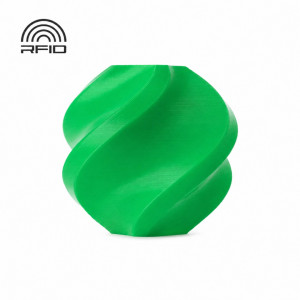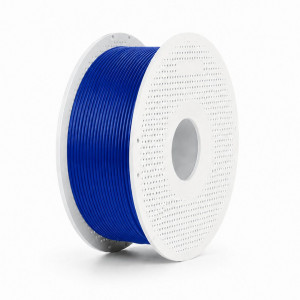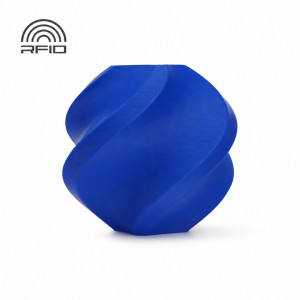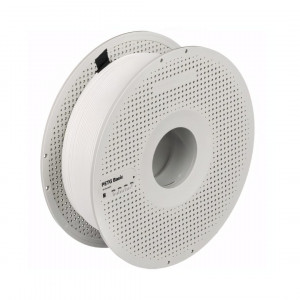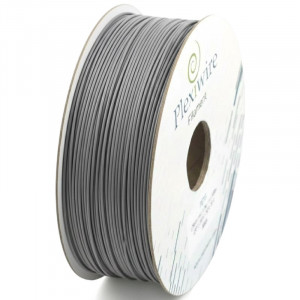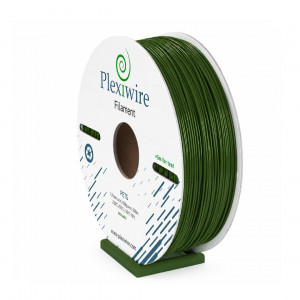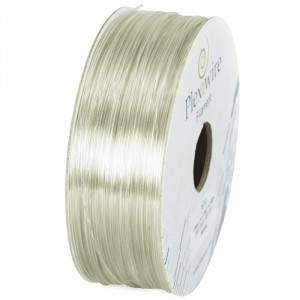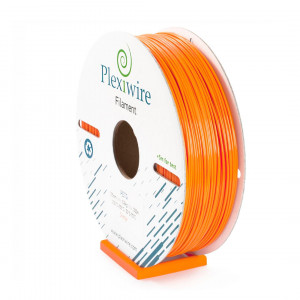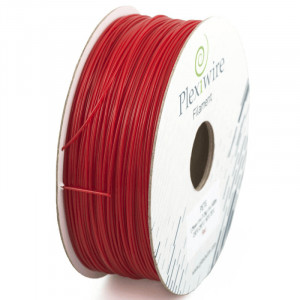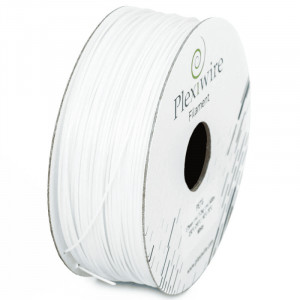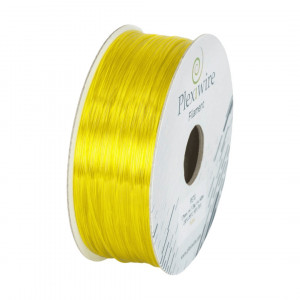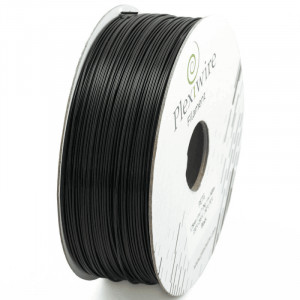
- Stock: In Stock
- Product code: 00-00014562
Available Options
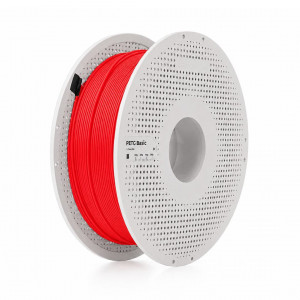
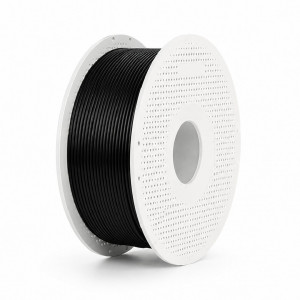
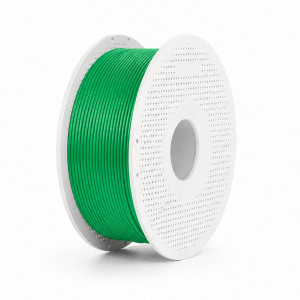
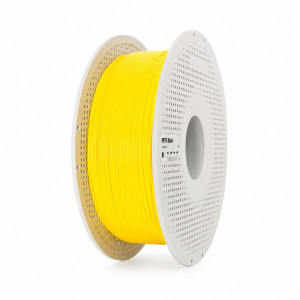
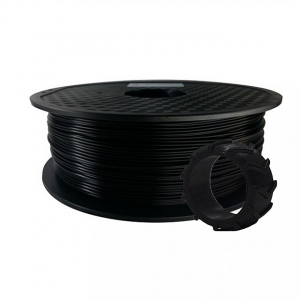
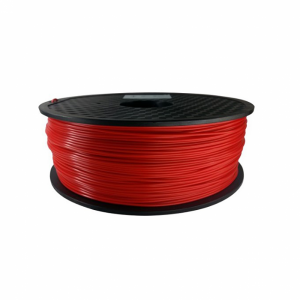
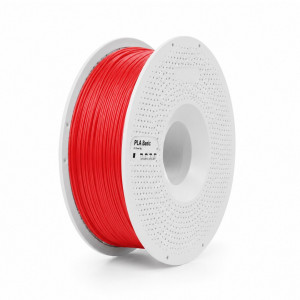
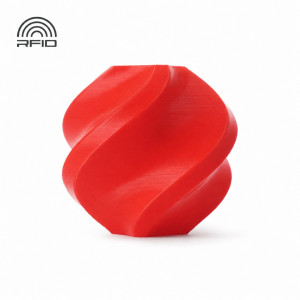
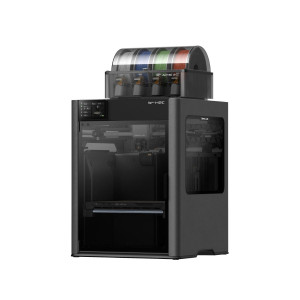
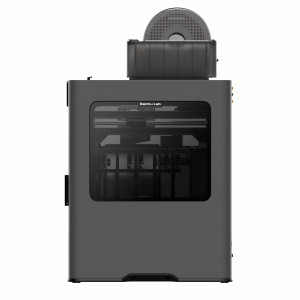
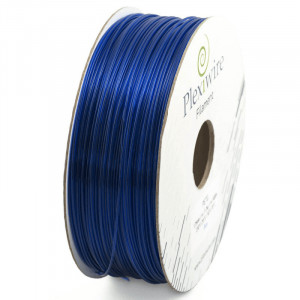
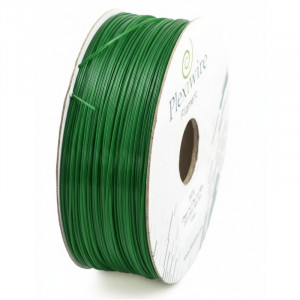
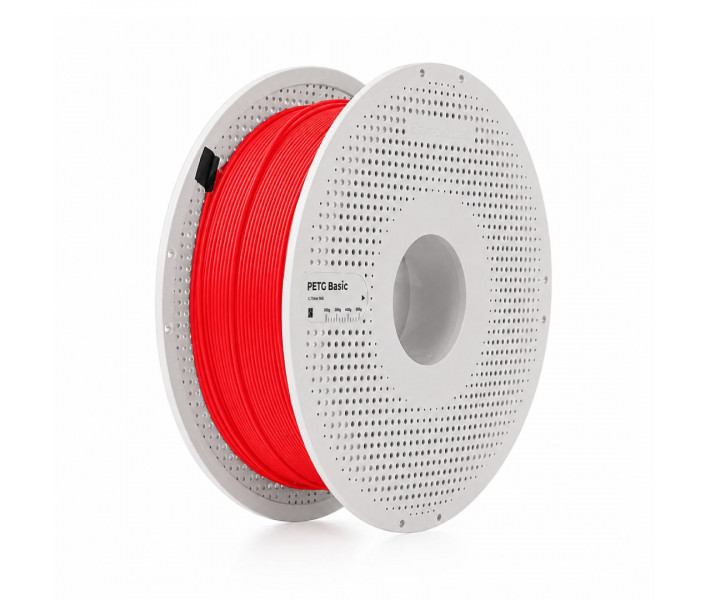
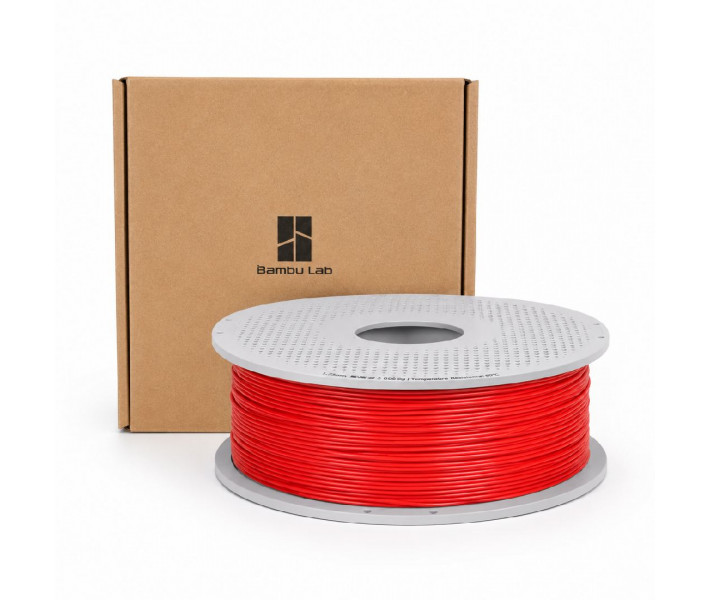
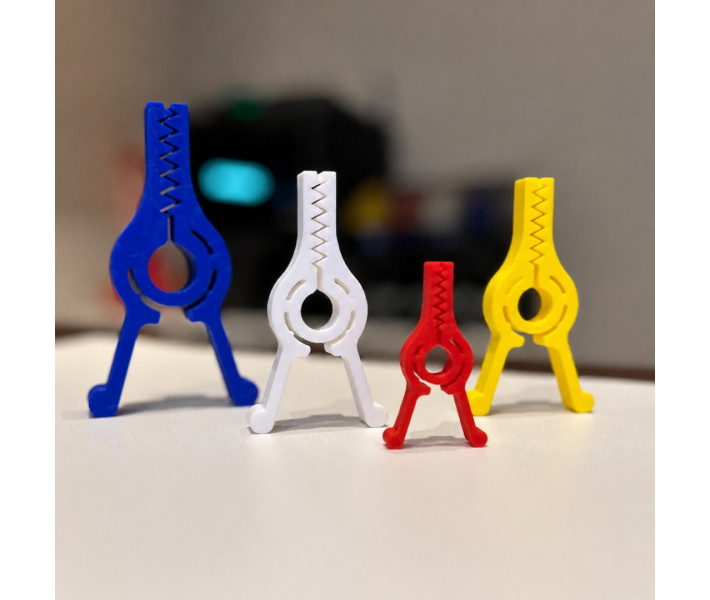
PETG filament Bambu Lab Red for Functional 3D Printing
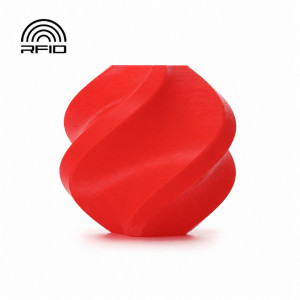
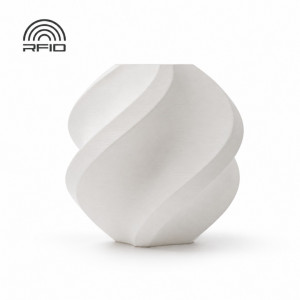
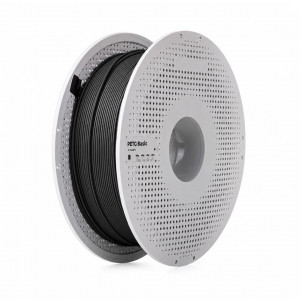
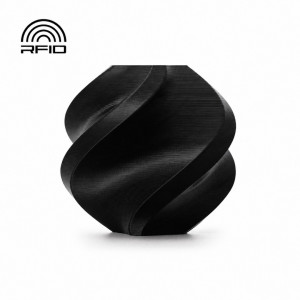
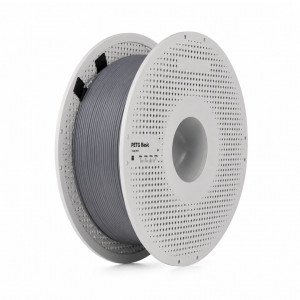
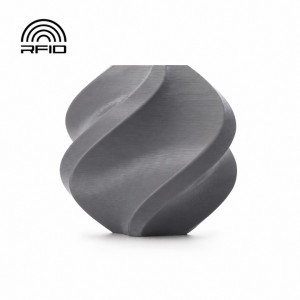
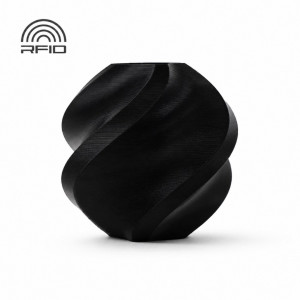
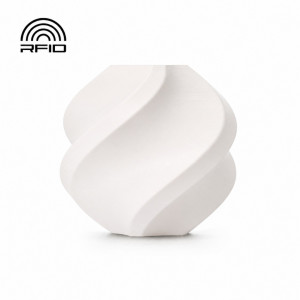
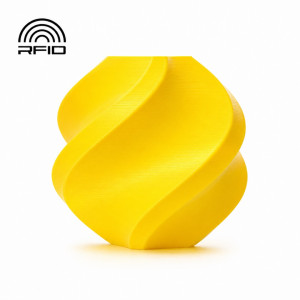
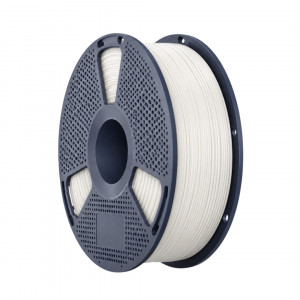
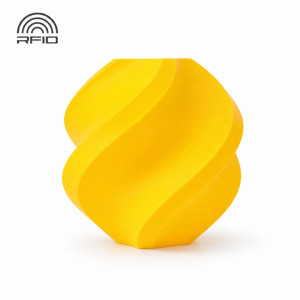
PETG plastic Bambu Lab is an engineering filament for FDM 3D printing, designed for the production of durable technical parts, housings, and functional prototypes with minimal shrinkage. The material combines the ease of working with PLA and high resistance to physical stress. The filament is supplied on a branded spool with an integrated RFID tag, which is automatically read by the Bambu Lab AMS system for instant print profile setup without manual parameter entry.
Main Advantages of Bambu Lab PETG Plastic
- Impact Strength: surpasses standard PETG in resistance to cracks and deformations under physical stress.
- Environmental Durability: products do not degrade under direct sunlight (UV) and have high moisture resistance.
- Neat Surface Without Defects: the plastic formula is designed to minimize the "spider web" effect and leakage of molten residue from the nozzle during idle extruder transitions.
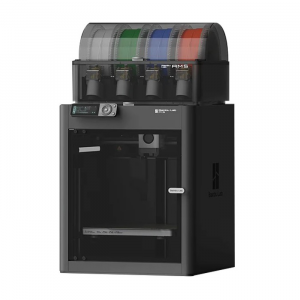
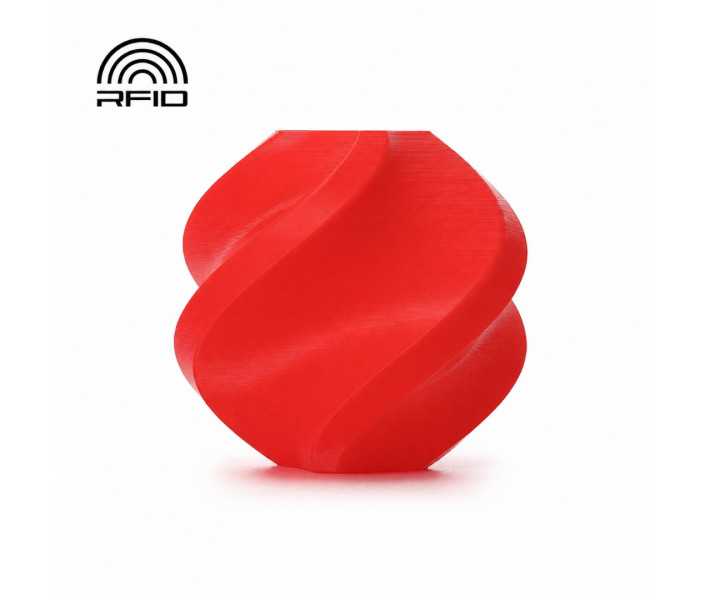
- Integration with Ecosystem: the spool is equipped with an RFID chip recognized by the Bambu Lab AMS automatic material feed module for quick start-up.
- Chemical Resistance: the polymer is resistant to most household chemicals, solvents, fats, as well as automotive oils and lubricants.
Compatibility and Application Areas
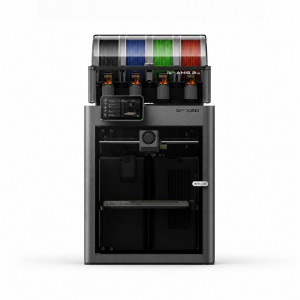
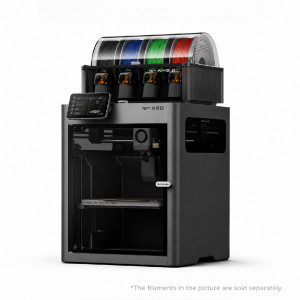
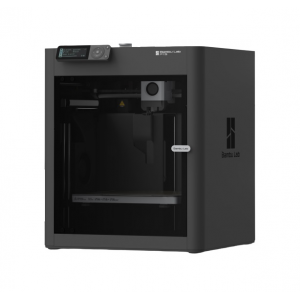
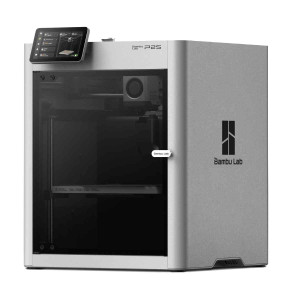
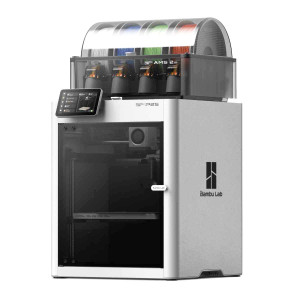
The plastic is adapted to the Bambu Lab ecosystem of the X1, P1, A1 series and the AMS material feed system. It is also compatible with any other closed or open 3D printers designed for a filament diameter of 1.75 mm. The material is created for users who find the strength of regular PLA insufficient but need an easy-to-print plastic without shrinkage:
- Engineers and Developers: printing device housings, strong brackets, mechanical assemblies, and protective covers.
- Automotive Enthusiasts and Modelers: creating car interior parts, quadcopter elements, mounts, and holders.
- Household Use: making wall hooks, garden tools, pipe mounts, and bathroom fittings where there is constant contact with water.
Recommended 3D Printer Settings and Filament Parameters
The material does not require a closed printer chamber and has minimal shrinkage. However, for optimal results, it is recommended to use textured or smooth PEI sheets with a thin layer of adhesive applied — this will facilitate the removal of the finished part and protect the table surface from damage.
Technical Specifications
| Parameter | Value |
| Printing Technology | FDM |
| 3D Printer Type | Open / Closed |
| Extruder Temperature | 230–260 °C |
| Printing Speed | < 200 mm/s |
| Platform Temperature | 65–75 °C |
| Model Cooling | 0–60% |
| Nozzle Diameter | 0.4 / 0.6 / 0.8 mm |
| Retraction Speed | 20–45 mm/s |
| Retraction Length | 0.4–0.8 mm |
| Chamber Temperature | 35–50 °C |
Mechanical and Thermal Characteristics
| Parameter | Value |
| Vicat Softening Temperature | 78 °C |
| Operating Temperature | < 70 °C without prolonged mechanical load |
| Charpy Impact Strength (X-Y, notched) | 6.4 kJ/m² |
| Charpy Impact Strength (X-Y, unnotched) | 34.2 kJ/m² |
Physical Characteristics
| Parameter | Value |
| Filament Diameter | 1.75 mm |
| Diameter Tolerance | ±0.03 mm |
| Density | 1.25 g/cm³ |
Operational Features
Moisture Protection
PETG plastic actively absorbs moisture from the air. Moist filament boils during extrusion, causing bubbles, unstable feed, and excessive stringing. Store the material in a hermetic box with silica gel, and for drying, use a drying cabinet at a temperature of 65 °C for 8 hours.
Important Adhesion Warning
The filament has an extremely high adhesion force to surfaces. When printing on smooth Smooth PEI or High Temperature Plate, be sure to apply adhesive as a separating layer, otherwise, there is a risk of damaging their coating. On a textured Textured PEI plate, glue is not necessary, but the product can only be removed after the platform has completely cooled.
Cooling Settings
Unlike PLA, too strong cooling hinders reliable layer bonding of PETG. To achieve maximum structural strength of parts, it is optimal to keep the model cooling within 20–40%.
Correct Nozzle Selection
The manufacturer does not recommend using nozzles with a diameter of 0.2 mm for the PETG plastic series. Due to the high viscosity and stickiness of the melt, the risk of clogging the thin channel is critically high. Use nozzles of 0.4 mm and larger.
Want to achieve stable results during printing? Order PETG Bambu Lab plastic on the 3DDevice website. If you have doubts about compatibility, retraction settings, or choosing a temperature map for your equipment — write or call our specialists. We will analyze your project task, select working settings, and help find optimal materials. We package and ship orders across Ukraine.