We use cookies and other tracking technologies to improve the website, personalize content, and analyze traffic. You can adjust your settings in the settings.
Necessary cookies enable core functionality of the website. Without these cookies the website can not function properly.
Statistic cookies help website owners to understand how visitors interact with websites by collecting and reporting information anonymously.
A set of cookies to collect information and report about website usage statistics without personally identifying individual visitors to Google.
Marketing cookies store user data and behavior information, which allows advertising services to target more audience groups.
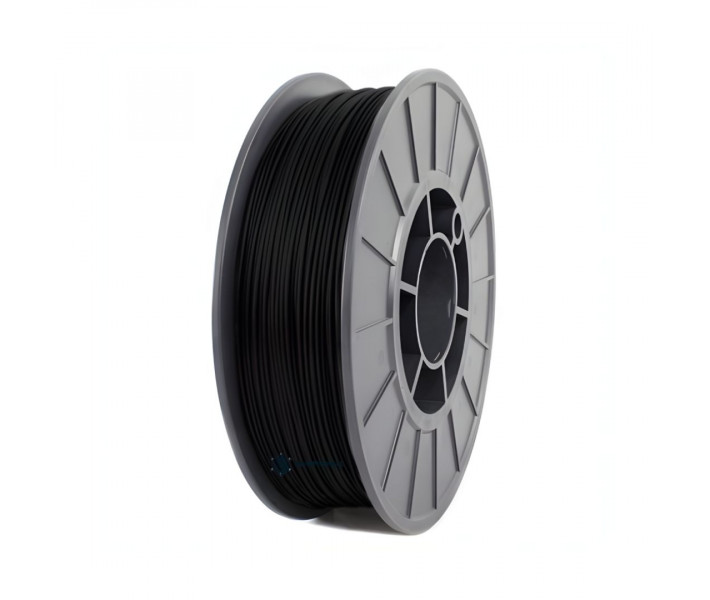
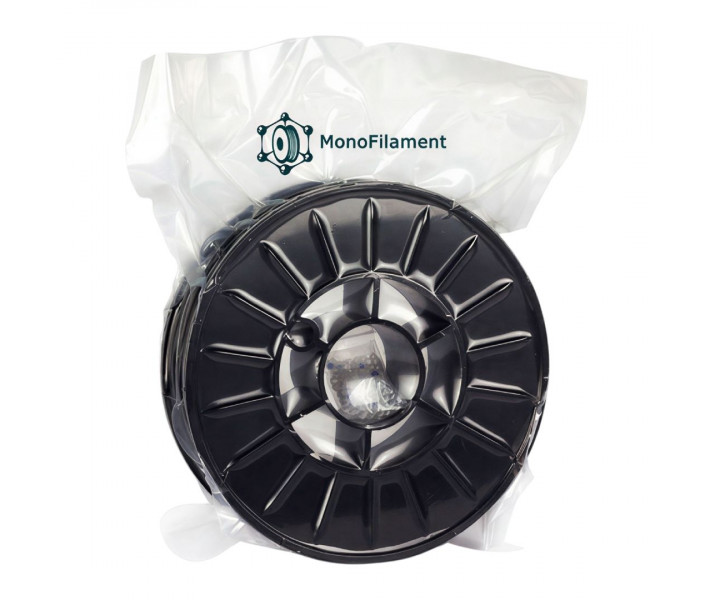
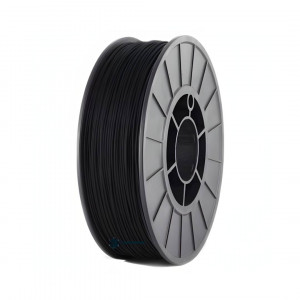
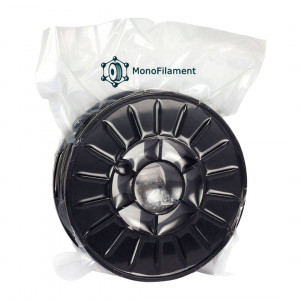
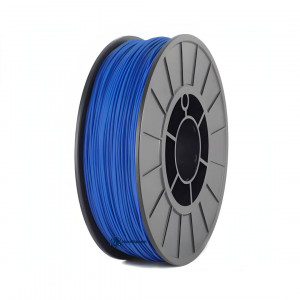
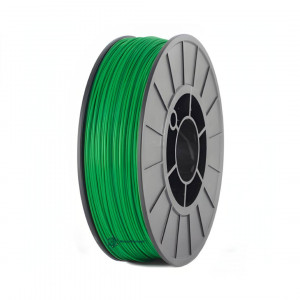
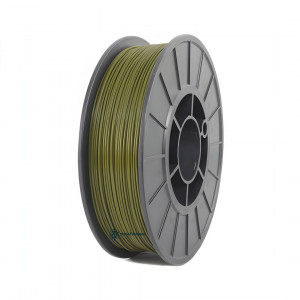
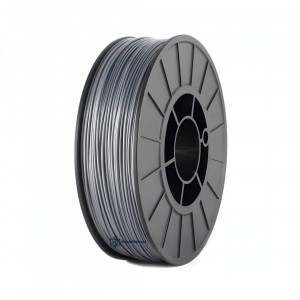
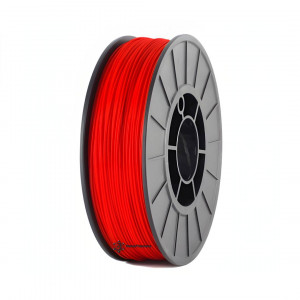
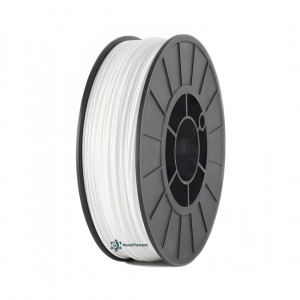
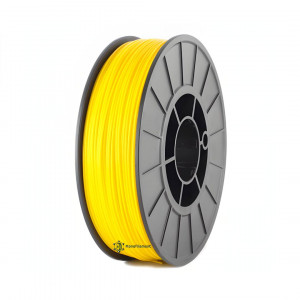
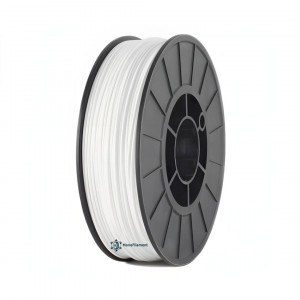
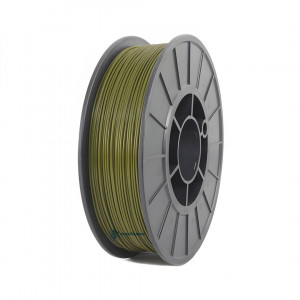
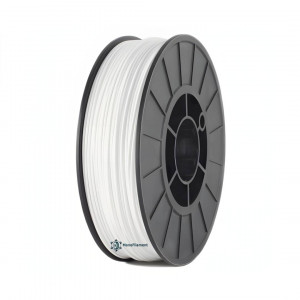
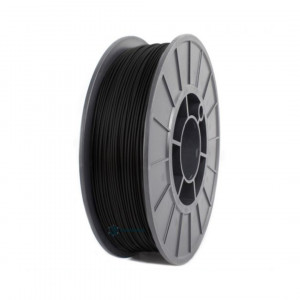
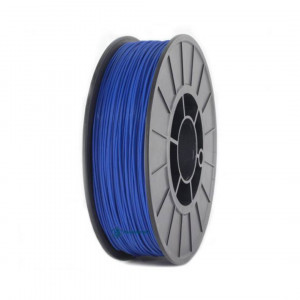
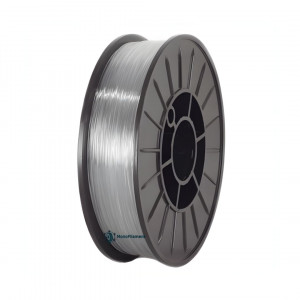
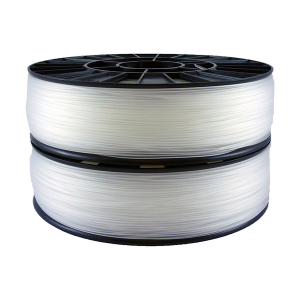
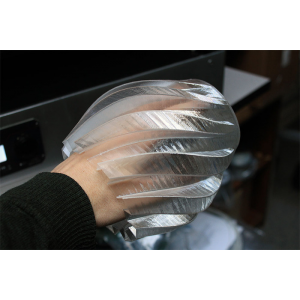
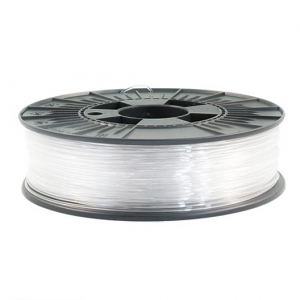
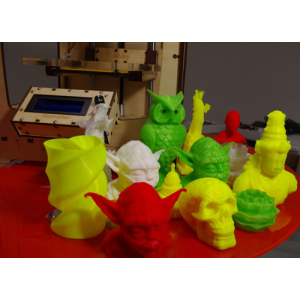
It is worth buying PET plastic in cases where you plan to engage in FDM 3D printing (where material is built up layer by layer). The finished product is easily treated with varnish and turns out extremely durable. In this case, the risk of model deformation is practically non-existent.
Technical specifications
Parameters
Value
Filament diameter, mm
1.75/ +/-0.05
Ovality, mm
+/-0.02
Linear mass, m/kg (length 1 kg 1.75 mm)
325-335
Bend resistance, times
>10
Printing technology
FDM
As a rule, PET plastic is most often used as a support structure and is removed after printing is finished. Its scope of application is quite wide. It is wear-resistant and does not conduct electric current, withstands high temperatures, and does not dissolve in water. PET plastic is particularly popular in the food industry.
Mechanical characteristics
Parameters
Value
Density, g/cm3
1.27
Operating temperature, °C
-20 – +200
Tensile strength, MPa
70
Elongation at break, %
50
Tensile modulus, MPa
3000
Flexural modulus, MPa
2700
Flexural strength, MPa
70
Charpy unnotched impact strength (23°C), kJ/m2
–
Water absorption, % 24 h / 23 ºC, %
2
A significant advantage of PET plastic is low thermal expansion. In other words, you don't have to worry about the print peeling off the platform. PET plastic does not require the use of special insulation chambers, as is the case with ABS.
It is worth buying PET plastic in cases where you plan to engage in FDM 3D printing (where material is built up layer by layer). The finished product ..
ABS/PC Plastic MonoFilament 1.75 mm 0.75 kgABS/PC — is a structural material for 3D printing using FDM technology, made based on ABS plastic with the ..
Elastan D100 Flexible Plastic MonoFilament 0.75 kg 1.75 mm BlueElastan D100 is a highly elastic structural plastic of medium hardness, developed for 3..
Elastan D100 Flexible Plastic MonoFilament 0.75 kg 1.75 mm GreenElastan D100 is a highly elastic structural plastic of medium hardness, developed for ..
Elastan D100 Flexible Plastic MonoFilament 0.75 kg 1.75 mm KhakiElastan D100 is a highly elastic structural plastic of medium hardness, developed for ..
Elastan D100 Flexible Plastic MonoFilament 0.75 kg 1.75 mm MetallicElastan D100 is a highly elastic structural plastic of medium hardness, developed f..
Elastan D100 Flexible Plastic MonoFilament 0.75 kg 1.75 mm RedElastan D100 is a highly elastic structural plastic of medium hardness, developed for 3D..
Elastan D100 Flexible Plastic MonoFilament 0.75 kg 1.75 mm WhiteElastan D100 is a highly elastic structural plastic of medium hardness, developed for ..
Elastan D100 Flexible Plastic MonoFilament 0.75 kg 1.75 mm YellowElastan D100 is a highly elastic structural plastic of medium hardness, developed for..
It is worth buying PET plastic in cases where you plan to engage in FDM 3D printing (where material is built up layer by layer). The finished product ..
It is worth buying PET plastic in cases where you plan to engage in FDM 3D printing (where material is built up layer by layer). The finished product ..
It is worth buying PET plastic in cases where you plan to engage in FDM 3D printing (where material is built up layer by layer). The finished product ..
PET Plastic KLEMAPET plastic KLEMA (polyethylene terephthalate) has the same strength as ABS, but is as easy to use as PLA plastic. It is waterproof a..
Fluorescent Plastic for 3D PrintingHigh-quality fluorescent PET plastic does not differ in properties from regular PET plastic. It is a durable materi..