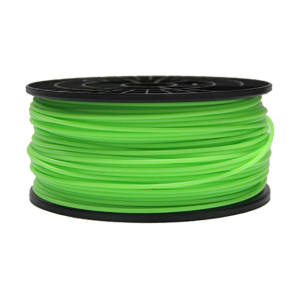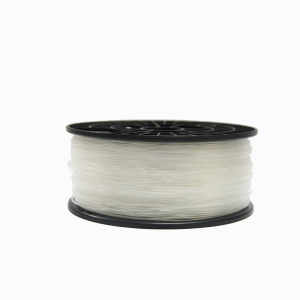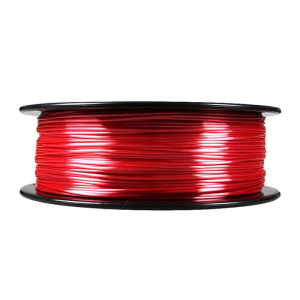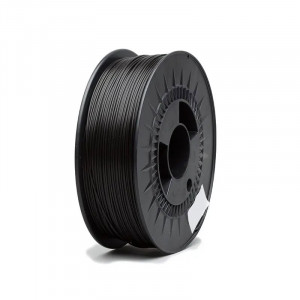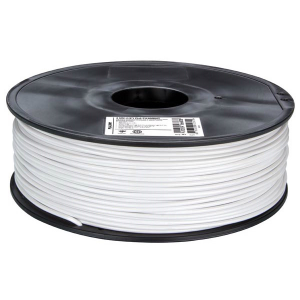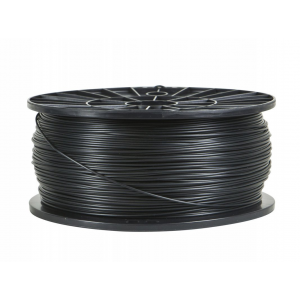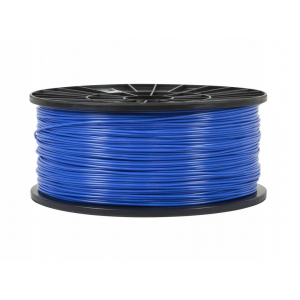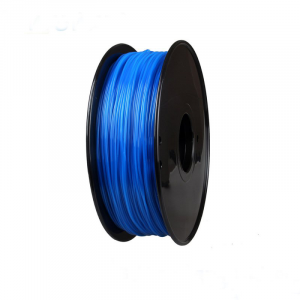

- Stock: Discontinued
- Product code: 00-08800368
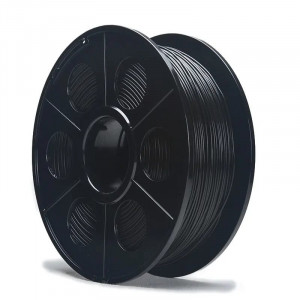
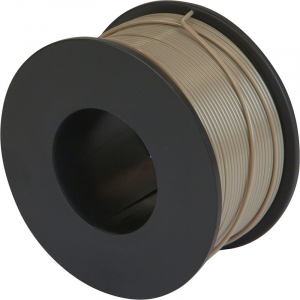
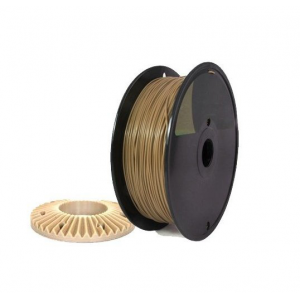
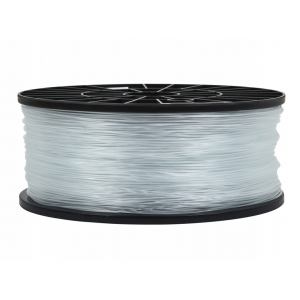
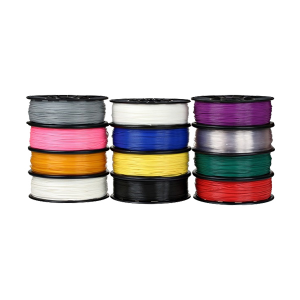
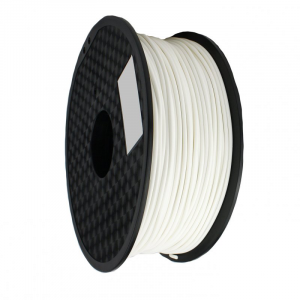
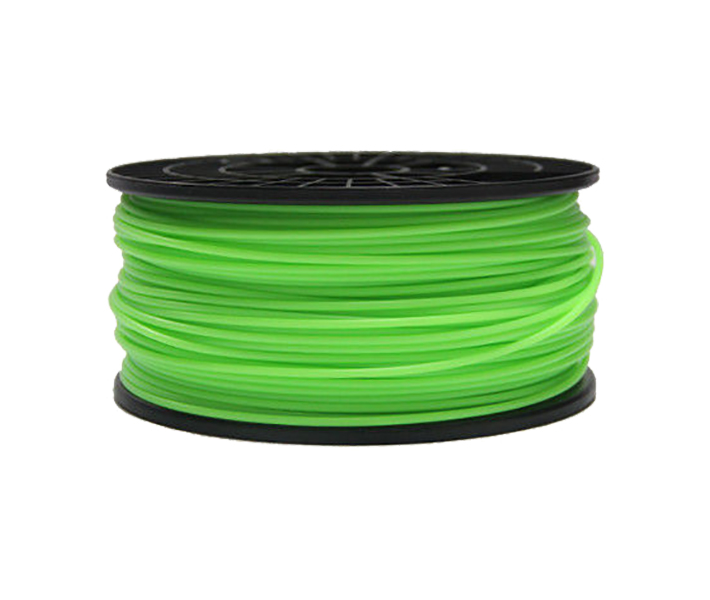
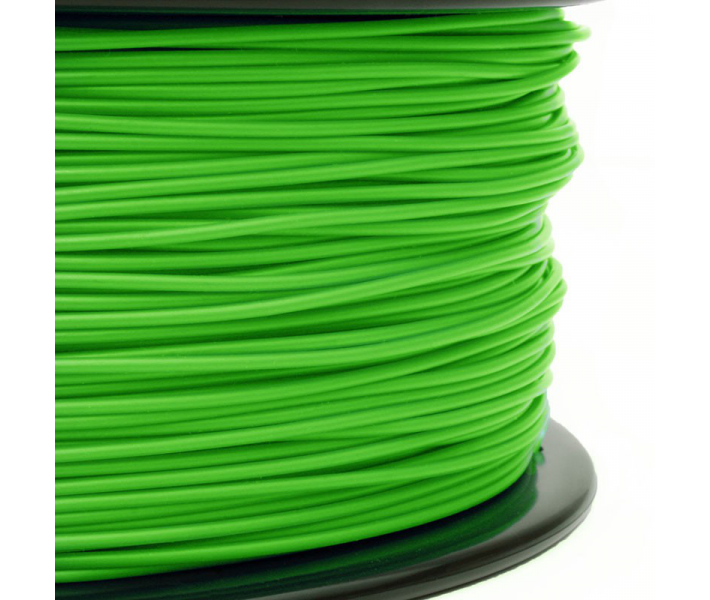
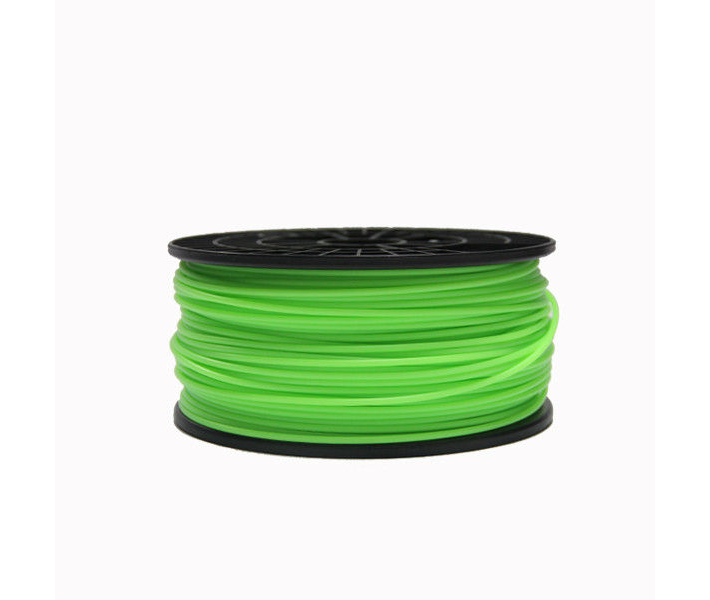
High-Quality Fluorescent ABS Plastic
Fluorescent ABS plastic has excellent mechanical properties. Because of this, it is an excellent material for 3D printing and rapid prototyping. Products made from this plastic are characterized by strength, durability, and wear resistance, but they poorly withstand exposure to ultraviolet radiation. ABS plastic performs well during printing, provides good layer adhesion, and is resistant to acids, oils, and alkalis. However, ABS plastic dissolves in acetone. This material is widely used for various industrial tasks and the production of parts that require high strength.
Properties
- Increased impact resistance and elasticity;
- Non-toxicity;
- Durability;
- Resistance to alkalis, acids, oils;
- Moisture resistance;
- Heat resistance;
- Dissolves in acetone;
- Wide range of operating temperatures for finished products (from -40 °C to +90 °C).
Disadvantages
- Instability to organic solvents;
- Low light resistance;
- Low adhesion between layers.
ABS plastic may adhere poorly to the work platform. To avoid this, it is recommended to print with this material exclusively on a heated bed. Another good way to solve this problem is to use special thermal tape, known as Kapton. Fluorescent ABS plastic adheres excellently to it, ensuring a successful print result.
There is a possibility of model deformation during cooling. This is especially common when creating large objects. To solve the problem, it is recommended to divide the model into several elements and then glue them together.
Technical Specifications
Characteristic | ASTM Definition | Unit of Measurement |
Tensile Modulus, MPa, not less than | D-638 | 2265 MPa |
Tensile Strength, MPa, not less than | D-638 | 36 MPa |
Elongation at Break, %, not less than | D-638 | 4 % |
Flexural Strength | D-790 | 52 MPa |
Elastic Modulus | D-790 | 2198 MPa |
Density | D-792 | 1.04 g/cm3 |
Izod Impact Strength, notched | D-256 | 96 |
Recommended Printing Settings for Fluorescent ABS Plastic
- Printing temperature – 210-245 °C
- Platform temperature – 110-120 °C
- Cooling – slow