
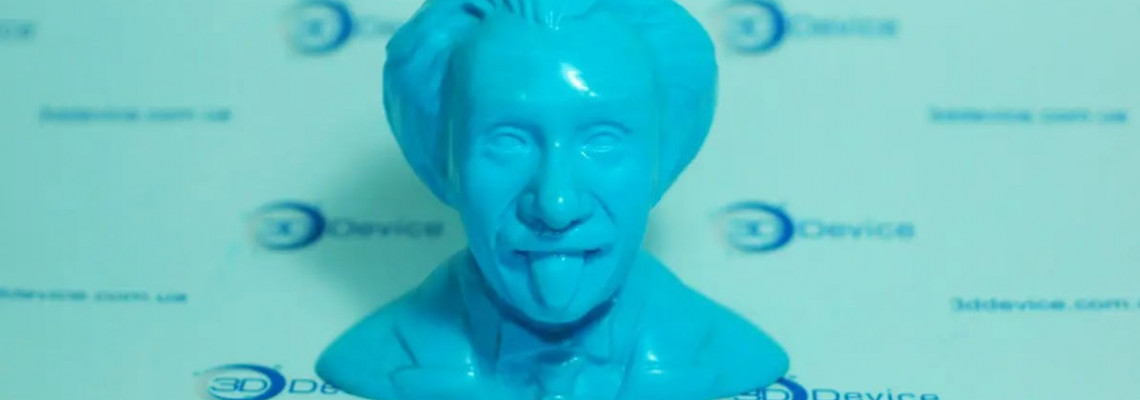
3 Д друк і післяобробка
Будь-якого власника 3D принтера рано чи пізно навідує думка про поліпшення зовнішнього вигляду надрукованих виробів. Іноді це потрібно в декоративних цілях, іноді ентузіасти хочуть просто провести експеримент. У будь-якому випадку, такий досвід – це невіддільна частина освоєння 3D технологій. На жаль, FDM 3 Д друк не дозволяє домогтися абсолютно гладкої поверхні створюваних об’єктів. За будь-якої точності відтворення, пошаровість все ж буде видно. Але, що робити, якщо глянсову поверхню отримати все-таки потрібно? Висновок один: післяобробка. Існує кілька перевірених способів, що застосовуються з метою поліпшення зовнішнього вигляду виробів, і сьогодні ми поговоримо про них.
Варіанти післяобробки
Побутовий 3 Д друк вже досить розвинений для того, щоб любителі 3D технологій освоїли методи післяоборабки надрукованих виробів. Існує декілька поширених способів обробки й нижче ми їх перерахуємо.
- Ошкурювання вручну. Досить кропіткий метод, що вимагає витрат сил і часу;
- Обробка пензлем за допомогою розчинників (ацетон, дихлоретан);
- Обробка парами ацетону і дихлоретану;
- Полірування розчинниками вручну.
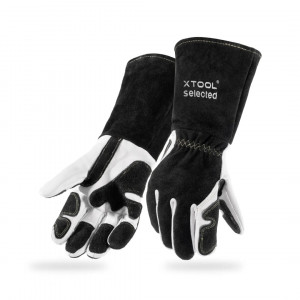
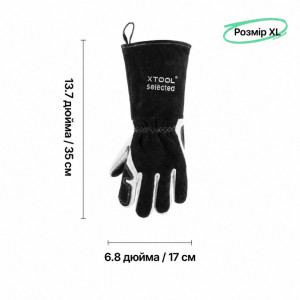
Тепер, коли нам відомі основні методи післяобробки, поговоримо про кожен з них більш детально. Хочемо відразу звернути вашу увагу на те, що при роботі з розчинниками неодмінно слід дотримуватися заходів безпеки. Це токсичні речовини, і під час їх використання бажано користуватися захисними засобами (окулярами, респіраторами). Приміщення, в якому проводяться роботи, має добре вентилюватися. На руки неодмінно варто надіти нітрилові або неопренові рукавички.
3 Д друк і обробка вручну
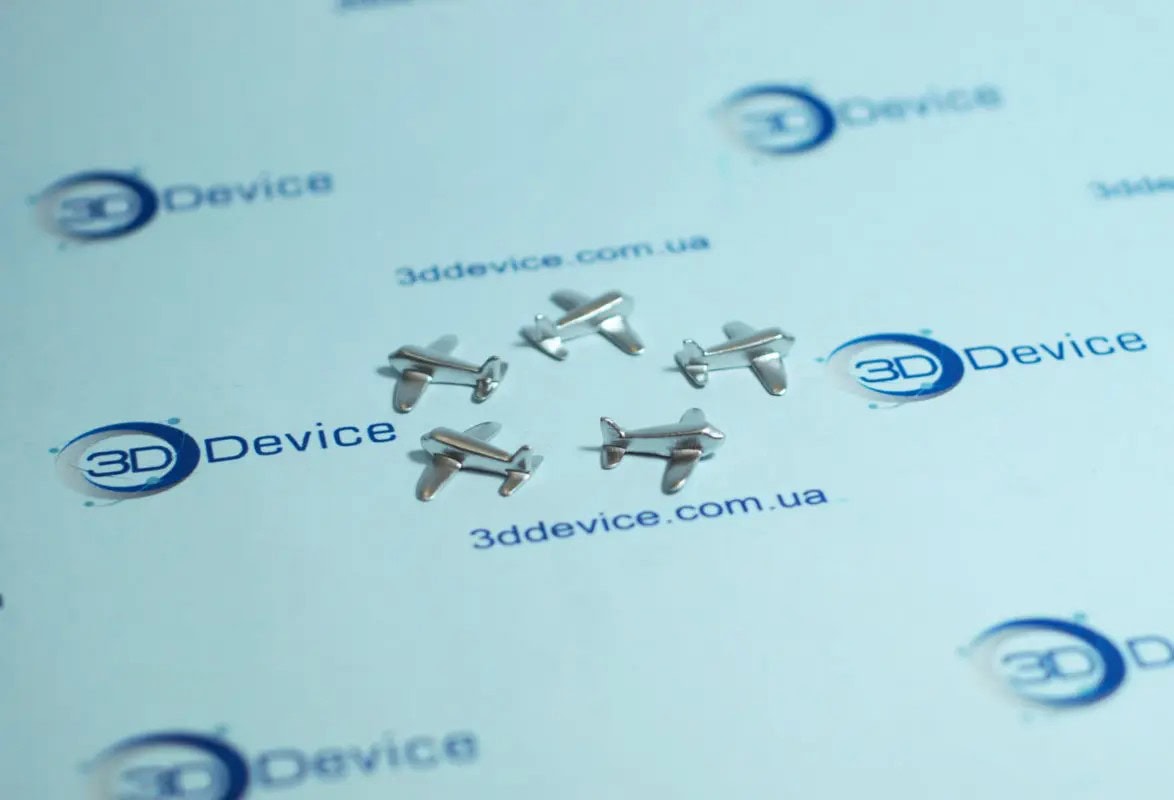
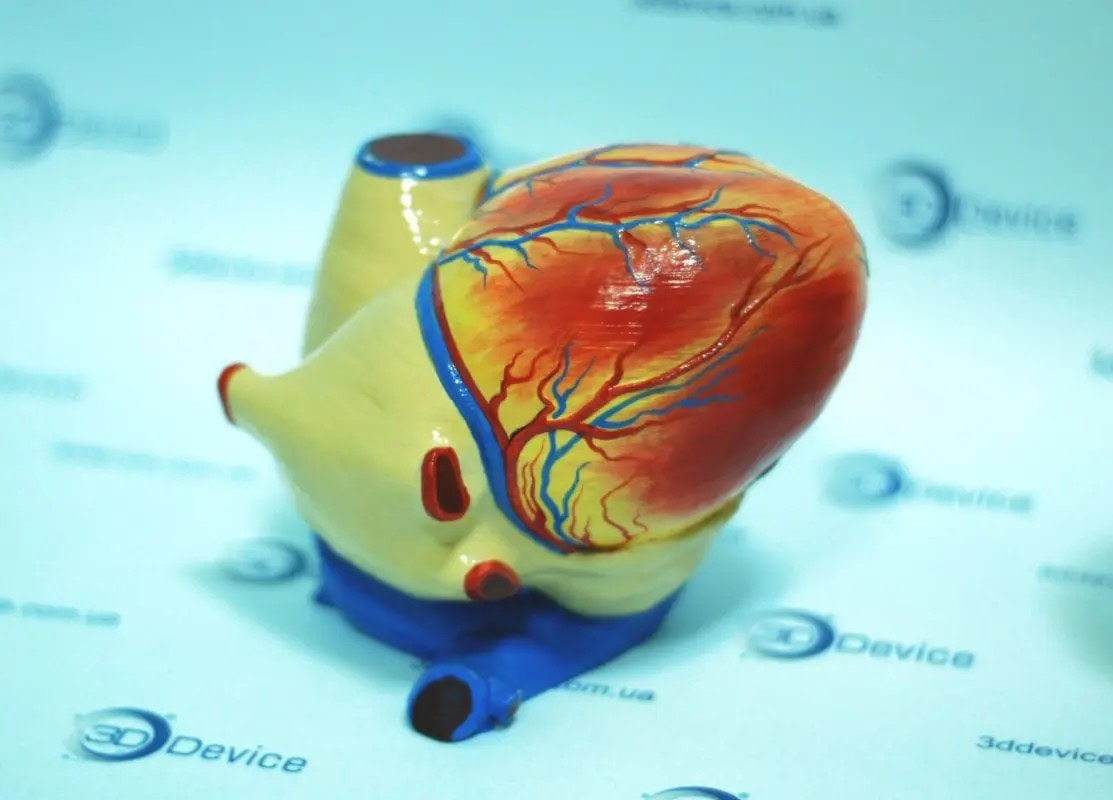
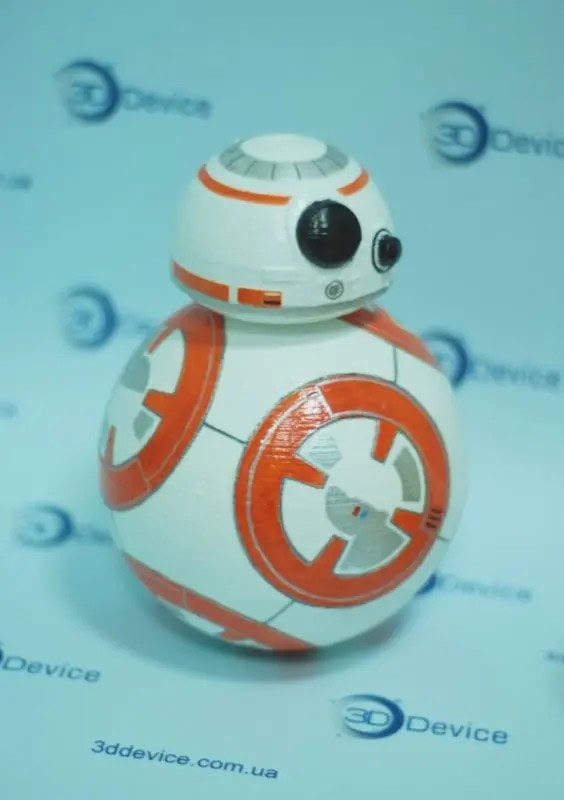
Найпростіший і безпечніший спосіб післяобробки – шліфування вручну. Для цього слід взяти наждачний папір або шліфувальну губку дрібної зернистості. Цей метод не дозволяє домогтися глянсової поверхні, але допоможе прибрати пошаровість і зробити поверхню більш гладенькою. У поєднанні з ґрунтовкою і подальшим фарбуванням, цей метод дозволяє досягти чудового результату. До недоліків можна віднести лише тривалість і складність цього методу. 3 Д друк виробів на фото нижче завершувався післяобробкою саме за цією методикою. Після ошкурювання об’єкти були погрунтовані, пофарбовані й вкриті лаком.
Обробка розчинниками
Робота з розчинниками включає відразу кілька варіантів. Це обробка за допомогою пензля, обробка вручну і обробка парами розчинників. Роз’яснимо відразу: ацетон застосовується для післяобробки виробів з ABS пластику, а дихлоретан для об’єктів із пластику PLA. Дихлоретан також використовується для зклеювання деталей.
При обробці пензлем, слід вибирати пензель з натуральним ворсом. Не варто брати занадто багато, або занадто мало розчинника з метою уникнення можливих патьоків і смуг. В цілому, це дуже хороший спосіб обробки, який, однак, вимагає великої акуратності й концентрації уваги.
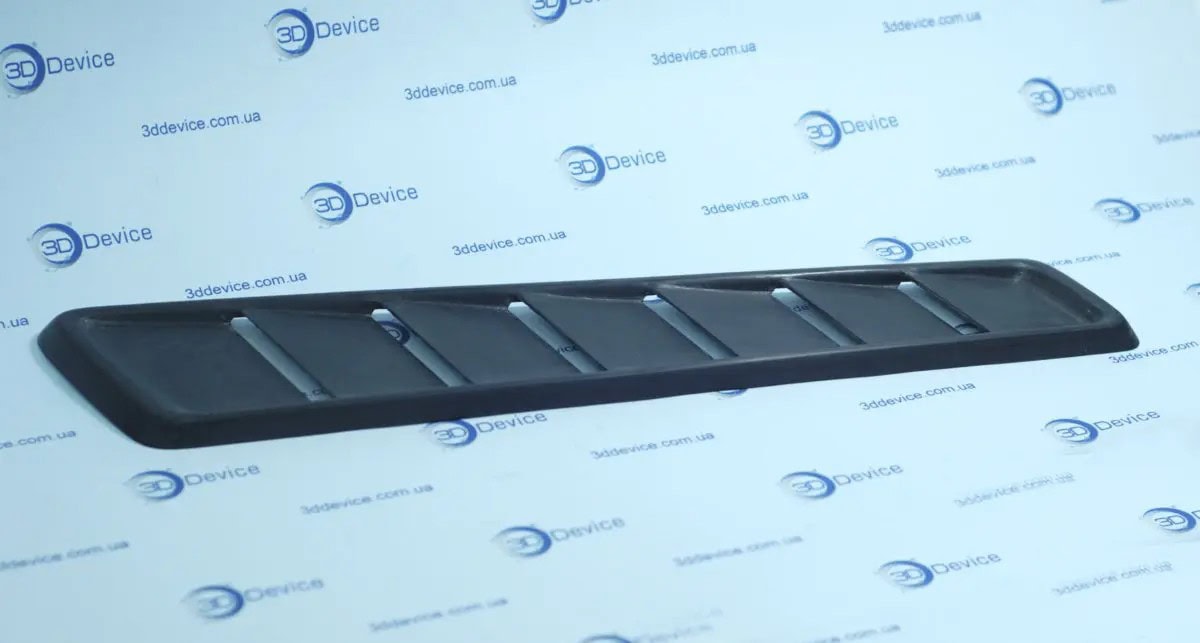
Для ручного полірування використовується невелика кількість розчинника і шматочок натуральної тканини. Розчинник наноситься на тканину, після чого цією тканиною виріб і полірується вручну до гладкості. Виріб на фото нижче було оброблено за цією технологією.
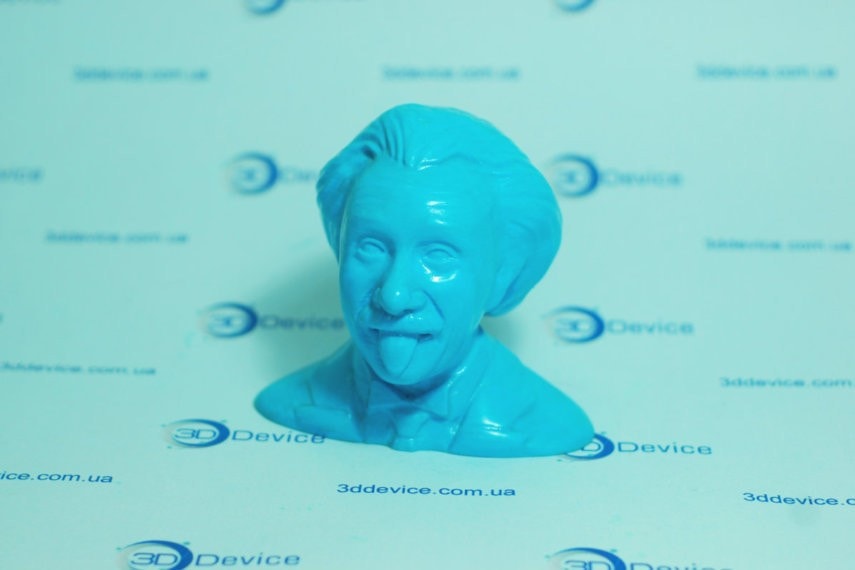
Обробка парами розчинників має проводитися в добре провітрюваному приміщенні, оскільки їх випари токсичні. Проте, цей метод демонструє найкращі результати за якістю оброблених виробів, які пропонує FDM 3 Д друк. Об’єкт розміщується на нерозчинній платформі (найкраще підійде металева) в герметичній ємності. На дно ємності наливається розчинник так, щоб він не торкався об’єкта. Потім ця місткість нагрівається, в результаті чого відбувається випаровування розчинника. Важливо: ні в якому разі не ставте на сильний вогонь, досить невеликої температури. Бюст, представлений на фото нижче, надрукований з ABS пластику й оброблений парами ацетону.
3 Д друк і фарбування виробів
Тепер поговоримо про декоративну компоненту. Сам по собі, FDM 3 Д друк, особливо на простих пристроях, не здатний виробляти якісні кольорові вироби. Тому, іноді виникає необхідність вдатися до фарбування вручну. Для цього чудово підходять акрилові фарби, ґрунти й лаки. Якщо виріб має бути однотонним, краще застосовувати фарби в аерозолі. Грунт і лак зручніше завжди брати в спреї.
Спершу модель слід підготувати: при необхідності ошліфувати, очистити від пилу і знежирити. Тепер в кілька шарів наноситься ґрунт. Дуже важливо дати йому висохнути, від цього залежить якість фарбування. Тепер наноситься акрилова фарба, також в кілька шарів. Даємо фарбі висохнути повністю, після чого закріплюємо результат лаком. Післяобробка завершена. Нижче прикріплено фото зафарбованих виробів.
Замовити 3D Друк і післяобробку
Хочемо нагадати, що наша компанія пропонує замовити 3 Д друк з подальшою постобработкой за доступною ціною. Ми виконуємо всі види механічної обробки, а також фарбування будь-якої складності. З усіх питань звертайтеся до нас будь-яким зручним вам способом, зазначеним в розділі «Контакти». Будемо раді співпраці!
Залишити коментар