

- Stock: In Stock
- Product code: 00-00013653
- Shipping Weight: 102.00kg

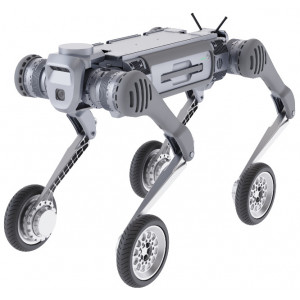
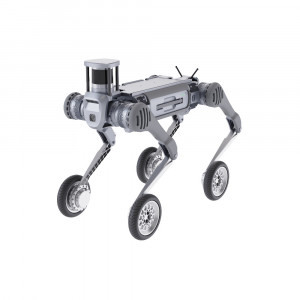
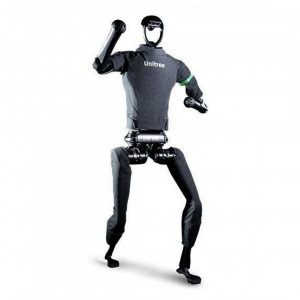
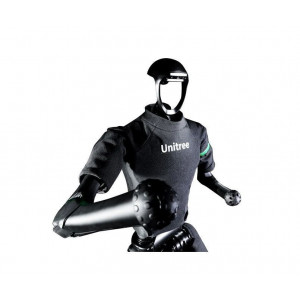
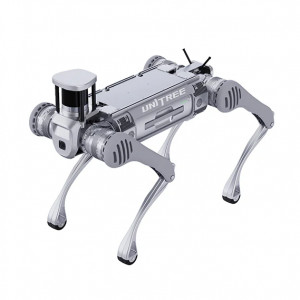
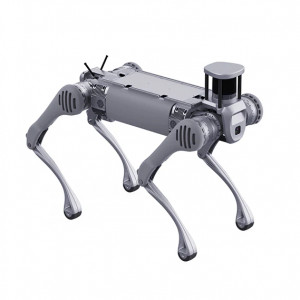
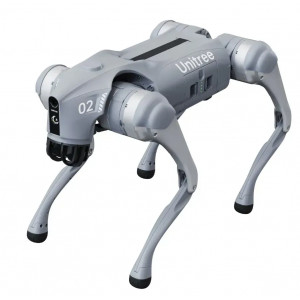
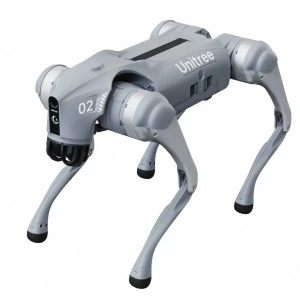
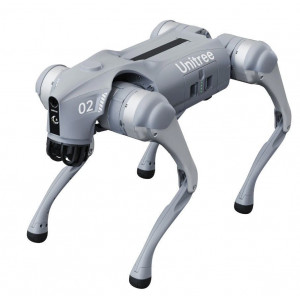
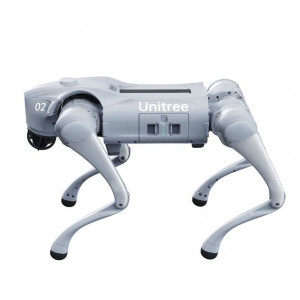
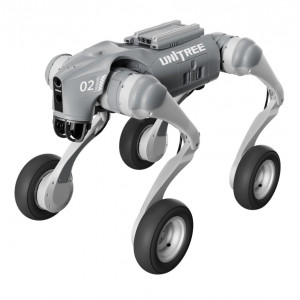
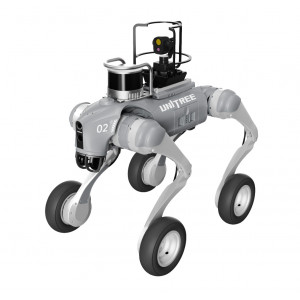
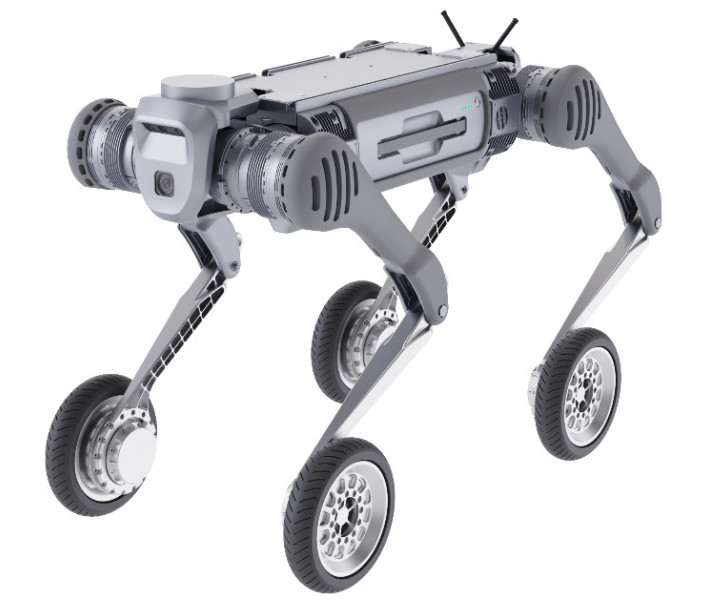
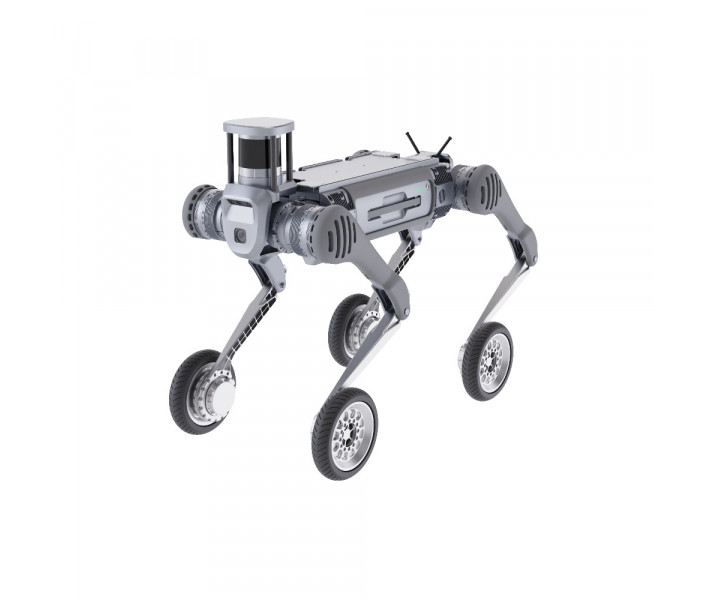
Unitree B2-W: Next-Generation Industrial Robo-Dog for Challenging Environments
The Unitree B2-W represents an evolutionary step in the development of quadrupedal robotic platforms designed for industrial applications. This model is a logical continuation of the successful line of robo-dogs from Chinese manufacturer Unitree Robotics, demonstrating significant progress in autonomy, adaptability, and functional versatility.
Purpose and Application Areas
Industrial Sector
The B2-W robo-dog is engineered for operations where traditional wheeled or tracked platforms prove ineffective or impossible to deploy. The machine demonstrates exceptional mobility across complex terrain, including:
- Patrolling production facilities and critical infrastructure
- Inspecting industrial zones with restricted access
- Monitoring equipment conditions in hazardous environments
- Logistics operations in warehouses and manufacturing sites
Security and Search-and-Rescue Operations
This autonomous platform finds extensive application in security and emergency response tasks. The robot's ability to navigate in low-visibility conditions, overcome obstacles, and penetrate hard-to-reach areas makes it an indispensable tool for rescue services.
Key Platform Advantages
Adaptability to Extreme Conditions
The "W" designation in the model name indicates enhanced all-weather operational capabilities. The robo-dog is engineered to function in rain, snow, and across both low and high temperature ranges—critical for year-round industrial deployment.
Intelligent Navigation
The platform features advanced machine vision and spatial positioning systems that enable the robot to:
- Autonomously build three-dimensional environmental maps
- Select optimal routes in real-time
- Avoid dynamic obstacles without operator intervention
- Return to base stations autonomously
Extended Autonomy
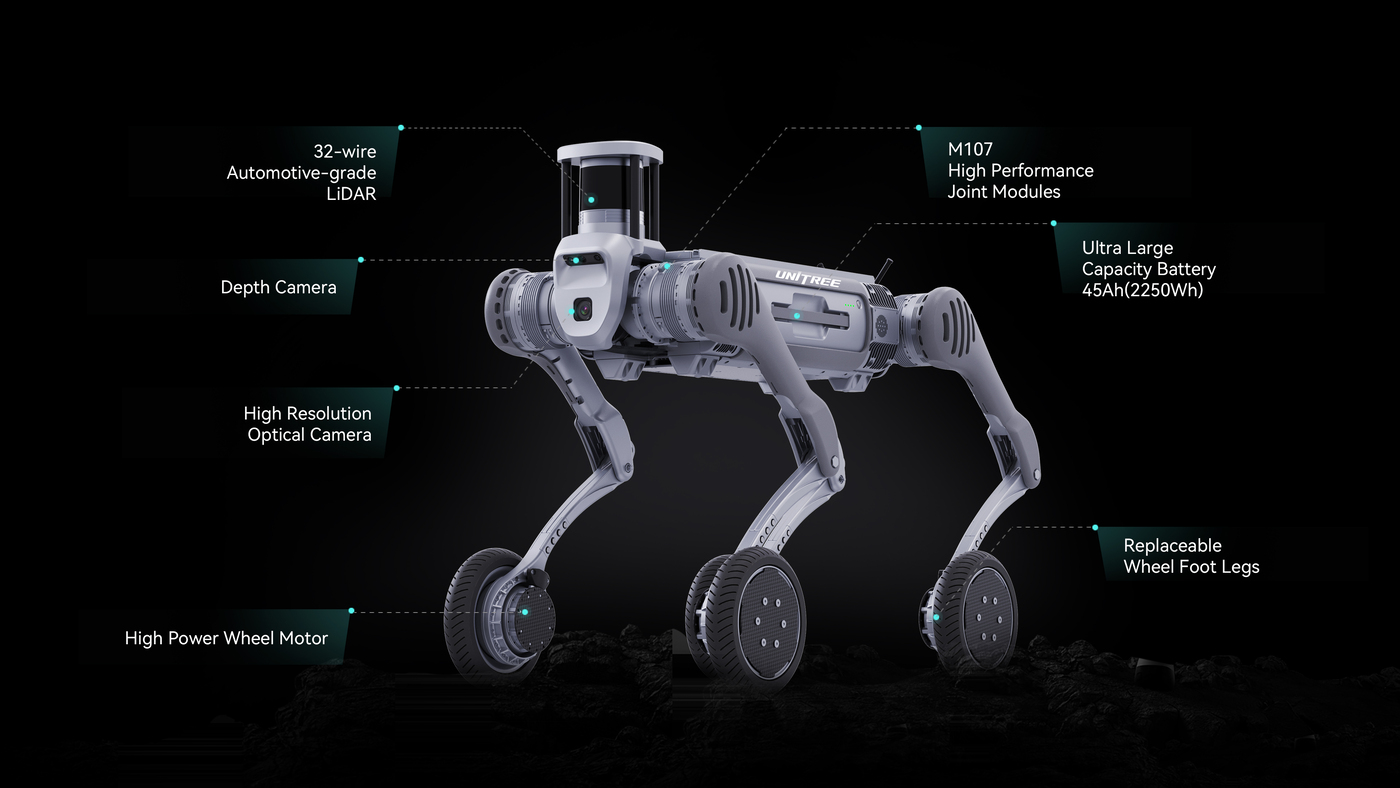
Energy-efficient design ensures prolonged operation without recharging, particularly valuable for patrol and monitoring missions across large territories. Intelligent power management systems optimize energy consumption based on mission characteristics.
Modularity and Integration Capabilities
Universal Equipment Platform
B2-W is developed as an open platform accommodating a wide spectrum of additional equipment:
- High-precision cameras and thermal imaging systems
- LIDAR and radar systems
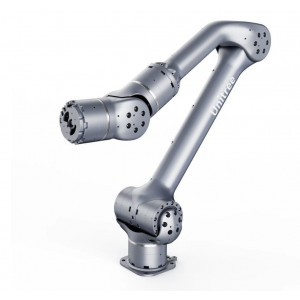
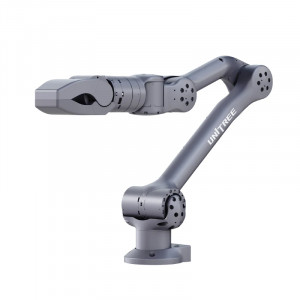
- Manipulators for object interaction
- Specialized sensors for environmental analysis
Programmable Ecosystem
An open SDK allows developers to create customized solutions for specific business needs. This transforms the robo-dog from a ready-made product into a flexible technological platform for implementing innovative automated processes.
Economic Viability of Implementation
Alternative to Traditional Solutions
Deploying robo-dogs often proves more economically efficient compared to maintaining large personnel teams for routine inspection tasks or acquiring specialized heavy equipment for complex terrain operations.
Risk Reduction for Personnel
The ability to delegate dangerous tasks to autonomous platforms reduces injury and occupational disease risks, delivering both ethical and economic value for enterprises.
Technology Development Prospects
The Unitree B2-W demonstrates the trajectory of robotics development toward creating universal, adaptive platforms capable of effective functioning in real industrial conditions. With advances in artificial intelligence and sensor system refinement, such robots' capabilities will only expand, opening new application scenarios across various economic sectors.
Integration with Existing Infrastructure
Modern enterprises appreciate the B2-W's seamless integration capabilities with existing security and management systems. The platform supports standard communication protocols, enabling incorporation into unified monitoring and control centers without requiring complete infrastructure overhauls.
Environmental Impact Considerations
Beyond operational efficiency, electric-powered robotic platforms contribute to sustainability goals. Zero emissions during operation make these systems particularly attractive for indoor facilities and environmentally sensitive areas where traditional combustion-engine equipment is restricted.