
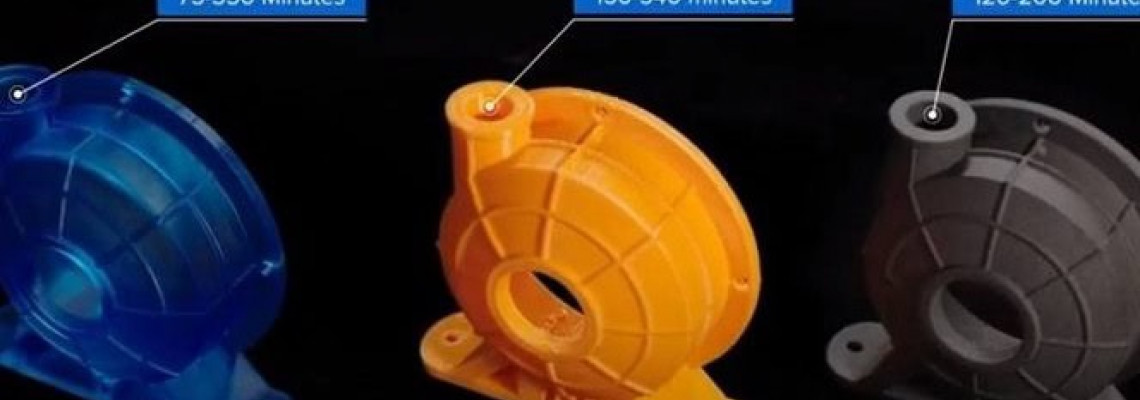
Порівняння технологій 3D-друку FDM, SLA і SLS. Вибір технології 3D друку
Вибір технології 3D друку. В сучасному світі 3D-друк застосовується в багатьох галузях. Від інженерії до виробництва,
стоматології, охорони здоров’я, ювелірних виробів і багато чого іншого. Технологія 3D друку пропонує широкий спектр
додатків, від візуальних і функціональних прототипів до деталей кінцевого використання.
Кожне з існуючих на
ринку рішень для 3D-друку має свої переваги і обмеження. Це робить кожну з технологій більш відповідною для певних
цілей, ніж для інших.
В процесі вибору 3D принтера вам потрібно буде визначити технологію, яка найкращим чином відповідає вашим вимогам. Давайте порівняємо функціональні і візуальні характеристики трьох найбільш поширених технологій 3D-друку з пластика: FDM, SLA і SLS.
Вибір технології 3D друку і матеріалу з правильними функціональними властивостями має вирішальне значення для забезпечення належного функціонування ваших деталей.
1. Розміри поля побудови і точність відтворення деталі (допуски)
Почнемо з габаритів області побудови.
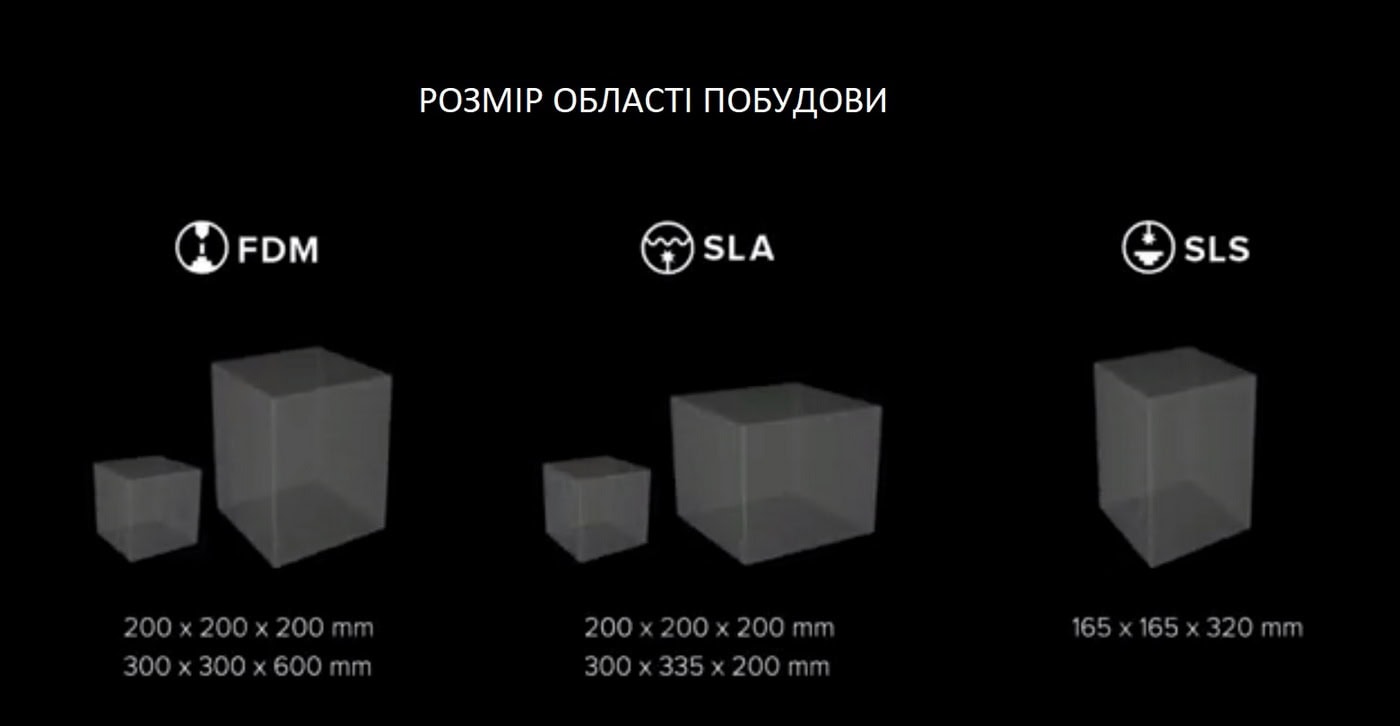
Найбільш поширені принтери FDM пропонують об’єм друку зі стороною куба розміром близько 200 мм, а варіанти великого формату досягають розміру 300 * 300 * 600 мм.
Як і у випадку з FDM, професійні настільні SLA-принтери можуть поставлятися в стандартних або широкоформатних моделях. Причому більшість стандартних розмірів представляють собою куб зі стороною розміром 200 мм. Моделі більшого розміру можуть пропонувати область збірки в 5-10 разів більше.
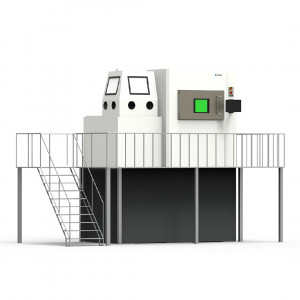
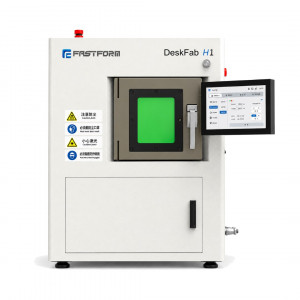
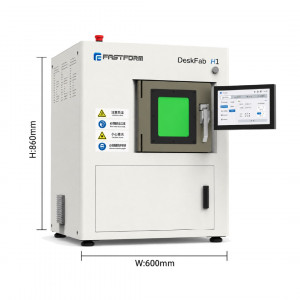
Обсяг збірки настільних принтерів SLS можна порівняти зі стандартними принтерами FDM і SLA.
Розміри області побудови у різних технологіях 3Д друку:
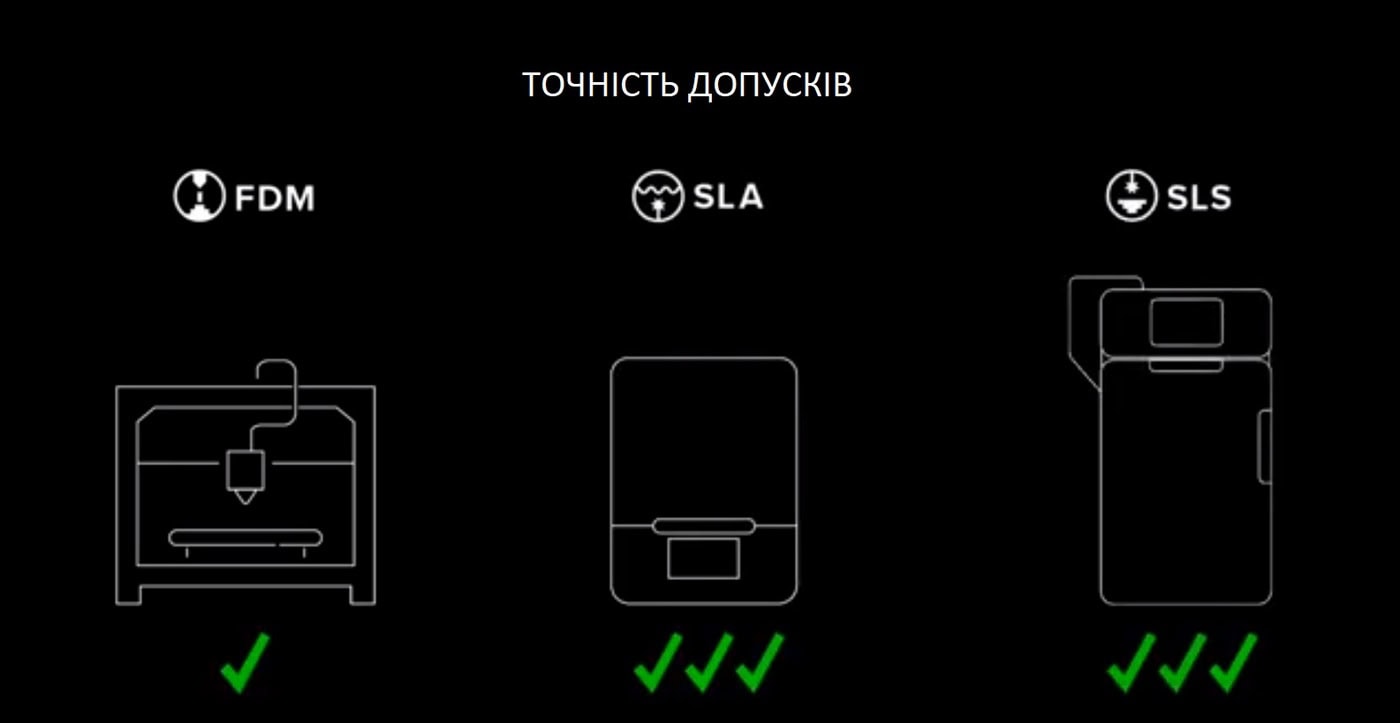
Наступне, що потрібно враховувати, коли мова йде про функціональні властивості, – це допуски. Якщо ваші деталі вимагають більш жорстких допусків і більш високої точності, то SLA і SLS – це ваші найкращі варіанти. Обидві технології використовують високоточні лазери для формування кожного шару матеріалу з надійними і відтворюваними результатами.
Точність відтворення розмірів (допуски) в FDM, SLA і SLS 3Д принтерах:
2. Вибір технології 3D друку. Властивості матеріалів
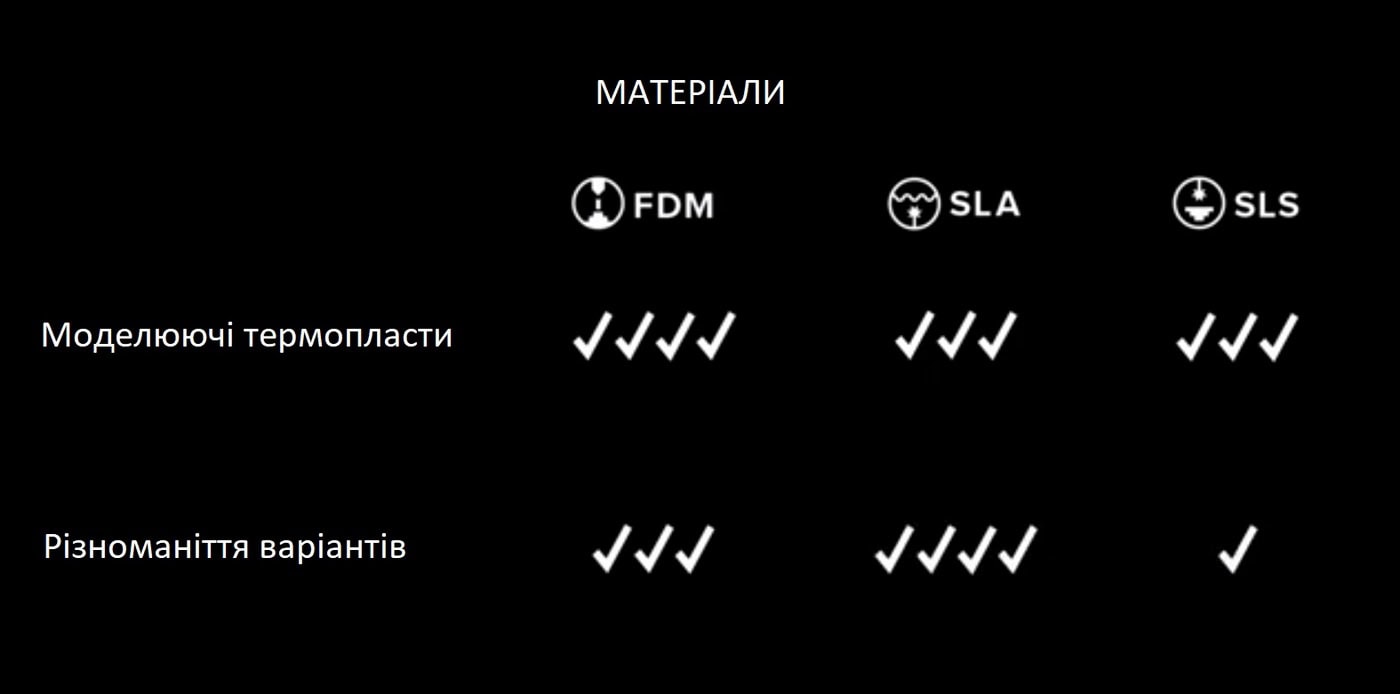
Перейдемо до властивостей матеріалів. FDM і SLA пропонують широкий спектр матеріалів з властивостями, зручними для звичайних пластмас, отриманих литтям під тиском.
Вибір матеріалів для SLS більш обмежений. Але ця технологія – кращий вибір для довговічних виробів і робочих деталей машин. Найбільш поширеним матеріалом для 3D-принтерів SLS є нейлон – високопродуктивний інженерний термопласт. Деталі з нейлону на SLS мають високу термостійкість.
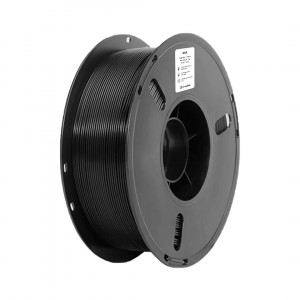
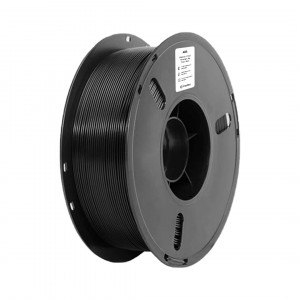
У 3D-принтерах FDM використовуються термопластичні нитки, такі як ABC, PLA і різні суміші.
Принтери SLA створюють пластмасові деталі з різних термореактивних смол, кожна з яких була розроблена з урахуванням характеристик звичайних пластиків. 3D-принтери SLA пропонують максимально гнучкий вибір матеріалів. Вони, например, використовують гнучкі і м’які матеріали, схожі на силікон. Також, для друку на SLA доступний матеріал з найвищою температурою експлуатації до 238 °С. І, нарешті, на принтерах SLA доступний друк з найширшим вибором біосумісних матеріалів для стоматології та медицини.
Крім того, настільні 3D-принтери можна використовувати для створення металевих деталей литтям 3D-друкованих шаблонів із пластику. SLA – це широко поширена технологія для 3D-друку моделей ливарних форм для ювелірних виробів, стоматології та інженерних додатків. У той час як FDM також пропонує ще кілька експериментальних варіантів.
Якщо у вас є особливі вимоги до міцності, подовження, жорсткості, довговічності або інших властивостей, ми рекомендуємо ознайомитися з технічними даними кожного конкретного матеріалу.
Різноманітність доступних для друку матеріалів в FDM, SLA і SLS 3D принтерах:
2. Вибір технології 3D друку. Візуальні характеристики роздрукованих моделей
Для таких застосувань, як концептуальні, художні або комерційні моделі і прототипи, вам слід обирати технологію на основі зовнішнього вигляду і візуальних характеристик деталей, отримуваних за допомогою цих технологій.
У 3D-друці FDM шари видавлюються соплом, якому не вистачає контролю і здатності досягати рівня деталізації, який можуть запропонувати дві інші технології. Ось чому відбитки FDM зазвичай мають чітко видимі шари.
Завдяки застосуванню високоточних лазерів, SLA і SLS є золотим стандартом для виробництва високоякісних матеріалів і моделей зі складною деталізацією і прекрасними характеристиками. У SLA лазер управляє світлом з високою точністю. Кожен шар має згладжені краї. Завдяки цьому кожен новий шар краще збігається з попереднім шаром. Це створює більш гладку поверхню прямо на виходе з принтера зі зменшеним “ефектом східців”. Особливо для моделей з тонкими виступаючими деталями. SLA – це золотий стандарт для виробництва високоякісних матеріалів і моделей зі складною деталізацією і прекрасними характеристиками.
У принтерах SLS також використовуються лазери для отримання виробів з високою деталізацією. Але, оскільки лазери працюють шляхом спікання порошкового матеріалу, деталі виходять з принтера із шорсткою зернистою поверхнею.
Зовнішній вигляд деталей, роздрукованих з на 3D принтерах за допомогою різних технологій:
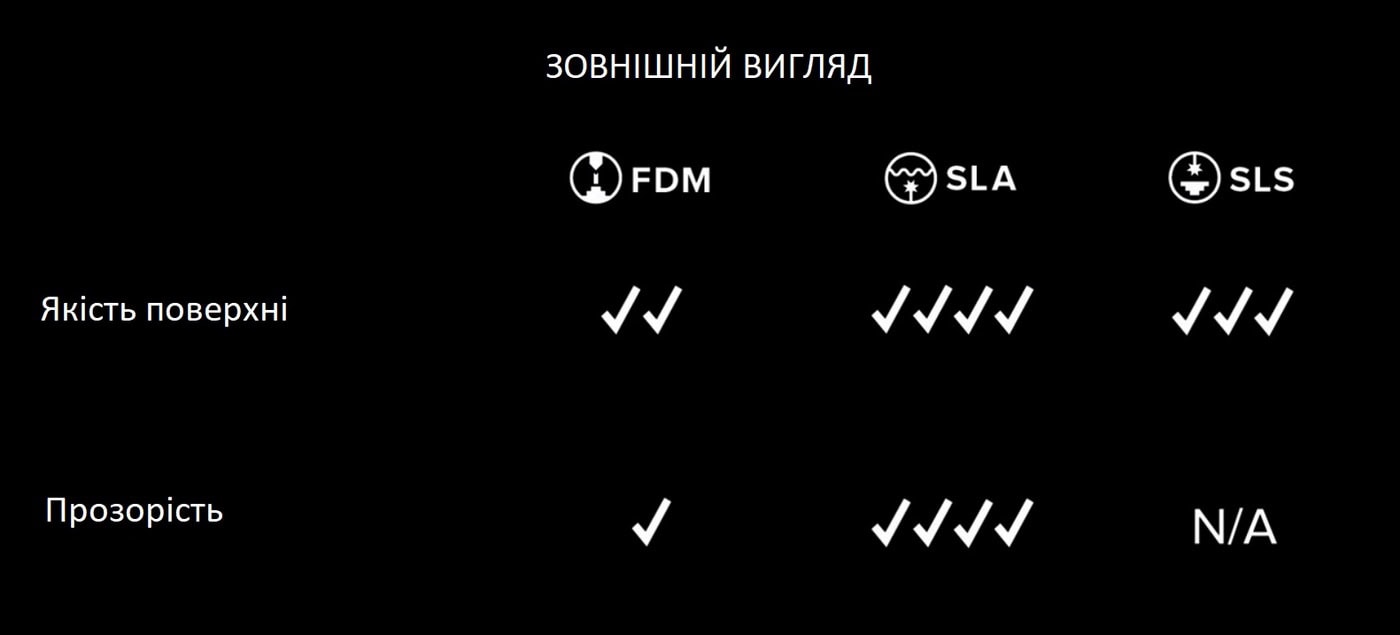
Деталі, надруковані на 3D-принтері, також можна шліфувати, полірувати, ґрунтувати і фарбувати. Таким чином можна досягти бажаного зовнішнього вигляду.
Подальша обробка деталей SLS є найпростішою, тому що немає друкованих опор, які потрібно було бы видалити з надрукованих деталей. Деталі SLA вимагають деякої шліфовки для видалення слідів опор при друці на опорах. У той час як деталі з FDM вимагають значно більшого шліфування й полірування перед ґрунтуванням і фарбуванням для отримання високоякісної обробки.
Матеріали FDM доступні у великому різноманітті кольорів. У той час як деякі смоли SLA можна змішувати з кольоровими пігментами для отримання майже будь-якого індивідуального кольору. Нарешті, SLA має унікальну можливість створювати прозорі або навіть оптично прозорі деталі. Деталі з SLS можна фарбувати в різні кольори.
3D-друк FDM, SLA і SLS пропонує безліч матеріалів і варіантів, які найкращим чином відповідають функціональним і візуальним вимогам вашого застосування. У багатьох випадках легко може виявитись, що дві або навіть всі три технології підходять під ваші потреби. У цьому випадку, ви маєте розставити пріоритети в своїх вимогах. Крім того, варто зважити й інші фактори. Такі як швидкість, вартість, робочий процес або простота використання.
Це одна з чотирьох статей, які допомагають зробити вибір технології 3D друку під свої потреби. Дивіться також інші матеріали на цю тему:
Як обрати технологію для настільного 3D-друку: FDM, SLA і SLS. Швидкість
Як обрати технологію для настільного 3D-друку: FDM, SLA і SLS. Ціна


Залишити коментар