
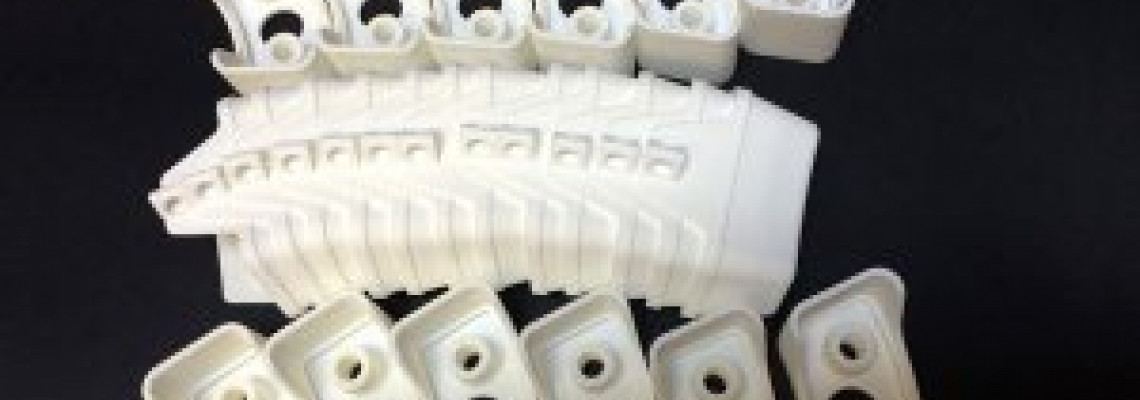
Що таке вибіркове теплове спікання?
Вибіркове теплове спікання – це відносно нова технологія 3D друку, яка була представлена як альтернатива селективному лазерному спіканню (SLS). Вона одночасно нагадує відразу три інші методики 3D друку: SLS, FDM та DLP. З першою вони практично ідентичні, єдина різниця у застосуванні для спікання порошку теплової установки замість лазера.
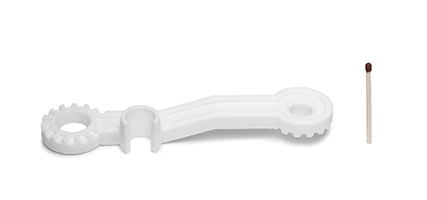
Цей же факт забезпечує схожість із другою методикою, а використання як теплової установки інфрачервоного випромінювання з певною довжиною хвилі дещо наближає вибіркове теплове спікання до технології DLP. Проте різниця навіть між вибірковим тепловим та лазерним спіканням досить суттєва, і в цій статті ми розкриємо всі карти та відповімо на всі запитання щодо методики SHS.
Як це працює?
Для початку варто підготувати 3D модель для 3D друку, перевірити її на помилки та за необхідності виправити їх (наприклад, у програмі NetFabb). Після цього модель завантажується в ПЗ-слайсер, де виконується її підготовка безпосередньо до відтворення на 3D принтері: виставляються налаштування друку, відбувається поділ на шари та генеруються підтримки. Готовий файл (зазвичай у форматі STL) завантажується в 3D принтер, після чого можна ставати до друку.
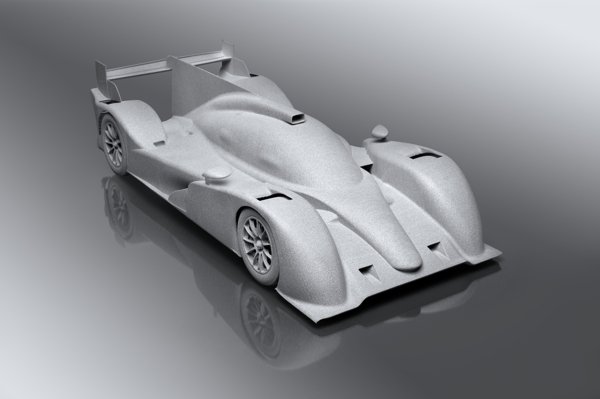
Зі вступу вам уже відомо, що основним діючим елементом у цій методиці виступає джерело інфрачервоного випромінювання. Але як же фільтрувати таке випромінювання? Відповідь проста: за рахунок довжини хвилі. Залежно від неї одні матеріали можуть пропускати тепло, а інші – відбивати його. Вибіркове теплове спікання відбувається так: на пластину з кварцового скла (маску) наноситься візерунок, що відповідає інвертованому перерізу поточного шару об'єкта. Цей візерунок наноситься спеціальним матеріалом, що відбиває ІЧ-випромінювання.
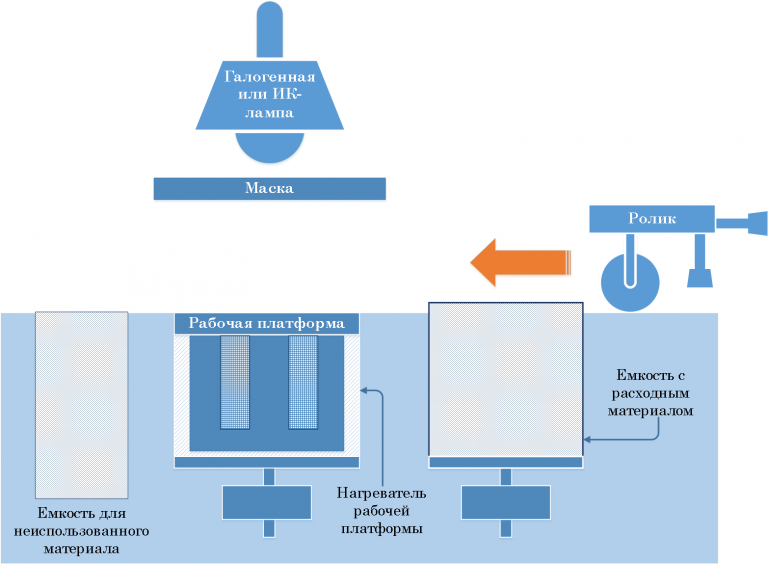
На робочу платформу подається кількість витратного матеріалу, необхідна для побудови одного шару. Спеціальним роликом порошок розрівнюється, надлишки видаляються. Кварцова пластина знаходиться при цьому між областю побудови та джерелом випромінювання. Як тільки все готово, починається спікання першого шару. Оскільки випромінювання проходить крізь пластину, ті її частини, що відбивають випромінювання, не залишають сліду на робочій платформі. Решта ділянок порошку спікаються між собою.
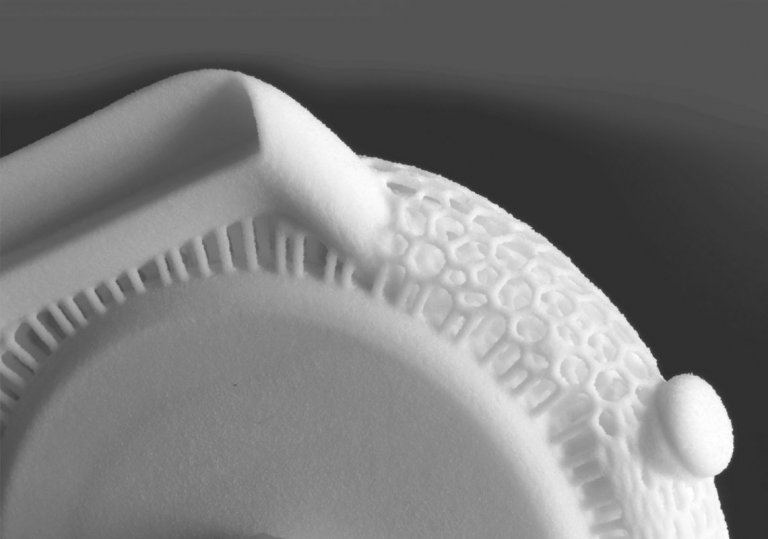
Після завершення першого шару робоча платформа опускається вниз на рівень одного шару, наноситься наступна порція порошку, старий візерунок з кварцової пластини видаляється і наноситься новий. Таким чином відбувається побудова всієї моделі. Після закінчення 3D друку виріб витягується з 3Д принтера, видаляється з платформи та очищається від зайвого матеріалу. За необхідності проводиться постобробка.
Особливості методики
Вибіркове теплове спікання вигідно відрізняється від інших промислових методик 3D друку за рахунок швидкості та простоти у виготовленні виробів. На відміну від більшості технологій, побудова одного шару відбувається в один момент часу, тобто всі ділянки шару запікаються одночасно. Таким чином, на відтворення одного шару йде близько 1-2 секунд. При цьому нанесення візерунка на кварцову пластину займає близько 10 секунд. Порівняно з тими ж лазерними методиками, де спікання триває кілька хвилин, різниця досить суттєва. Крім того, застосування теплової установки замість лазерної значно знижує ціну на пристрої для 3D друку цього класу. З тієї ж причини габарити SHS 3D принтерів близькі до габаритів пристроїв бюджетного класу.
Переваги:
- 3D друк на великій швидкості;
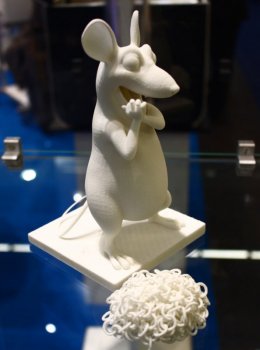
- Висока точність відтворення об'єктів;
- Можливість створення виробів зі складною геометрією;
- Компактні 3D принтери;
- Економія на витратних матеріалах за рахунок можливості їх повторного використання.
До недоліків варто віднести нижчу міцність готових виробів порівняно з об'єктами, виготовленими за іншими промисловими методиками 3D друку. Причиною цього є використовувані матеріали, про які ми поговоримо нижче.
Використовувані матеріали
На жаль, вибіркове теплове спікання не може використовувати весь спектр матеріалів, доступних для тієї ж технології SLS, оскільки теплового випромінювання недостатньо для спікання багатьох металевих порошків. З цієї причини як витратні матеріали в методиці SHS здебільшого зустрічаються різноманітні пластики та легкоплавкі метали. Причому вироби, виготовлені з останніх, часто потребують додаткового випалу для досягнення максимальної міцності.
Вибіркове теплове спікання: застосування
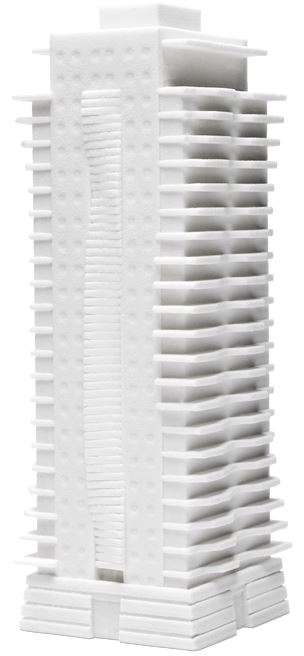
Основна сфера застосування цієї методики у промисловості – прототипування. Через недостатню міцність виробів використовувати їх як готові деталі не має сенсу. Проте висока деталізація та швидкість відтворення роблять вибіркове теплове спікання досить затребуваним в інженерній, конструкторській та архітектурній сферах. Крім того, ця методика 3D друку ідеальна для дизайнерів та художників.
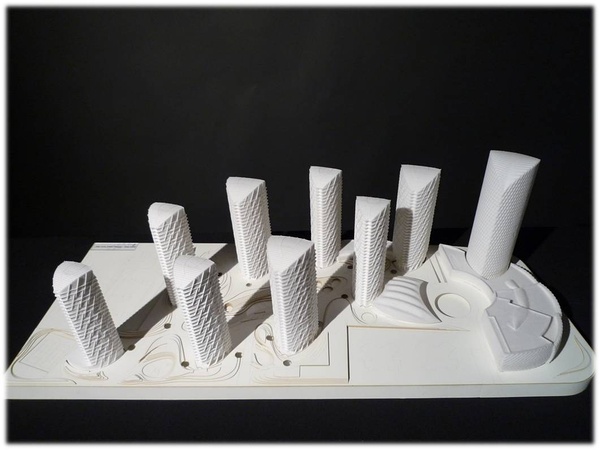
З її допомогою виходять чудові макети, а більшість матеріалів ще й чудово піддаються постобробці. Тому часто вибіркове теплове спікання обирають в освітній сфері для створення різних навчальних моделей. Наостанок пропонуємо вам зазирнути в наш інтернет-магазин, де представлена величезна кількість обладнання та комплектуючих для 3D друку та 3D принтерів, а також ознайомитися з іншими статтями про види 3Д друку. З усіх питань зв'язуйтеся з нами будь-яким зручним для вас способом, вказаним у розділі "Контакти".
Залишити коментар