
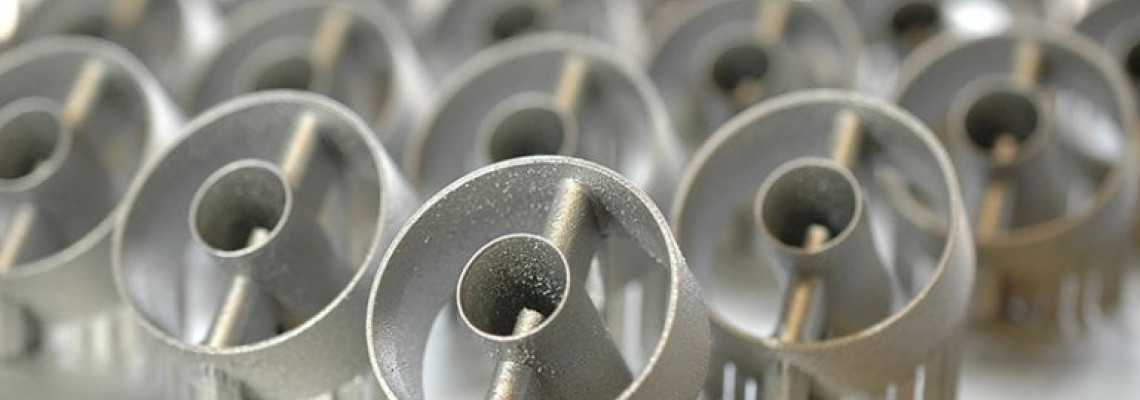
What is Selective Laser Melting of Metal?
This article will discuss one of the most common industrial 3D printing technologies: the SLM method. Its full name is Selective Laser Melting. You can also often encounter the name "Selective Laser Melting of Metal," as metallic powders are the main consumable material for this type of printing on a 3D printer.
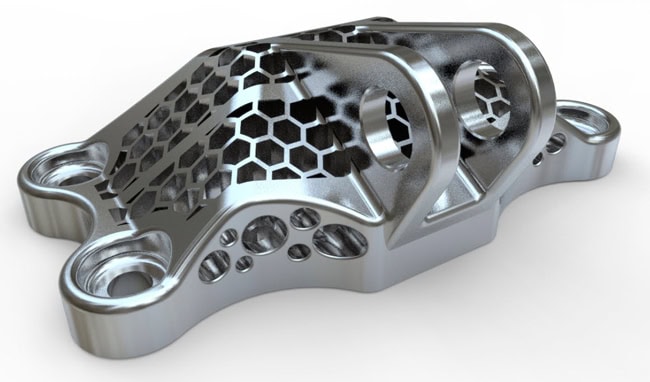
Many people confuse selective laser melting of metal with other similar technologies – Selective Laser Sintering (SLS) and Direct Metal Laser Sintering (DMLS). Despite some similarities in the product reproduction process, these are still different 3D printing methods. SLM technology differs from them in some key features, which we will describe below.
The 3D Printing Process
So, to begin with, you will need a 3D model of the required product, created according to all the rules of 3D modeling for 3D printing. The model is loaded into a special slicing program (usually the required software is supplied with the 3D printer), where it is prepared for printing. This means setting the necessary parameters and print settings and dividing the future product into layers for working with the 3D printer. After that, you can start printing.
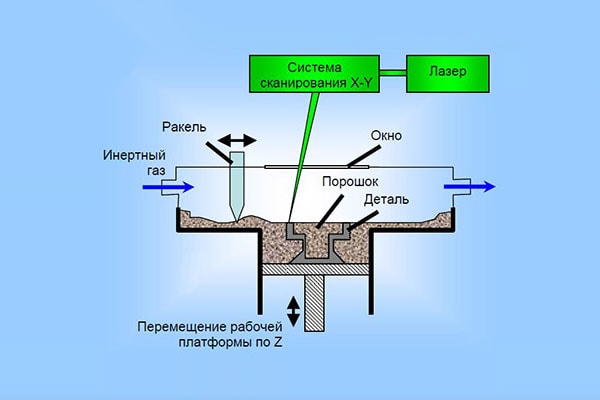
Selective laser sintering of metal in the first steps resembles SLS and DMLS methods: a thin layer of powder is fed into the working chamber in the amount necessary for the first layer. However, the material is applied to a movable working platform that moves along the Z-axis. The powder is also leveled by a special roller, and excesses are removed. The most interesting thing is that the chamber of the 3D printer is filled with an inert gas during operation – most often argon or nitrogen with low oxygen content.
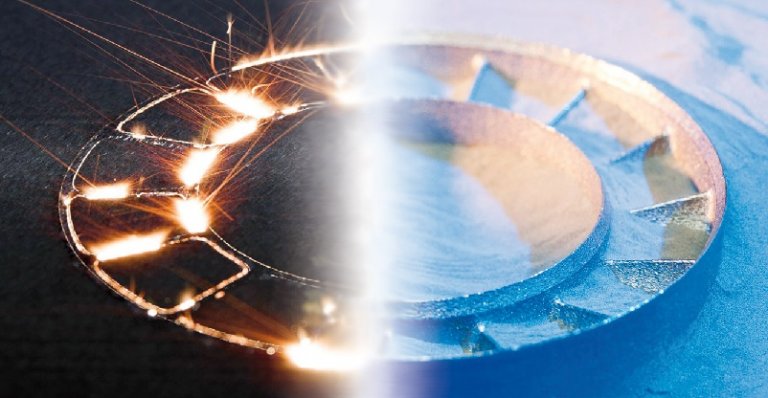
As soon as everything is ready, the printer proceeds to 3D printing: it fuses the metal powder together along the contour of the first layer using a powerful laser. In the X and Y directions, the laser device is oriented by means of special scanning mirrors. After the procedure is completed, the platform lowers and the process repeats. These steps are performed until the object is fully reproduced. The finished model is removed from the 3D printer together with the platform, mechanically separated from it, and cleaned of supports.

Technology Features
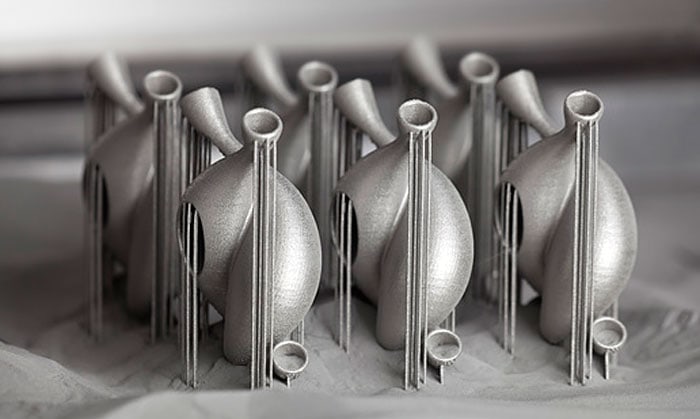
As you might have noticed, selective laser melting of metal, by the presence of a movable platform, resembles SLA and FDM technologies. Just like in these methods, supporting structures are built under the overhanging elements of the product, which must be removed upon completion of 3D printing. Also, an important feature of the technology is 3D printing in a chamber with an inert gas, which eliminates the oxidation of the metal powder, allowing the use of materials such as titanium as a consumable.
Advantages
- Practically complete solidity of products. Selective laser melting of metal not partially (as in SLS and DMLS), but completely fuses the powder among itself, which affects the strength of the product for the better.
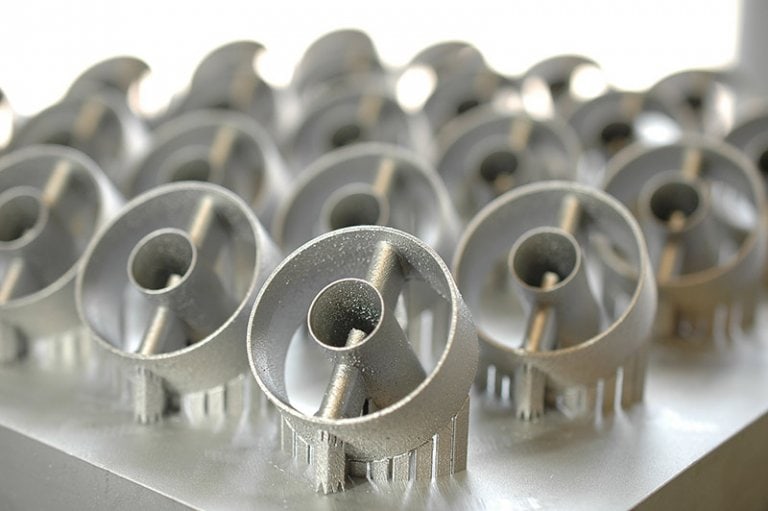
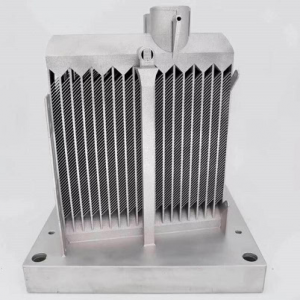
- Possibility of manufacturing products with complex geometry. Like in other industrial 3D printing technologies, the shape of the product does not matter. Due to this, as well as the previous factor, selective laser melting of metal is capable of constituting serious competition to injection molding.
- Reduction of product weight. This item partially overlaps with the previous one: due to the addition of internal cavities to the original 3D model, the finished product will be lighter, which is extremely important, for example, in the aerospace sphere.
- Material saving. This method cannot be called completely waste-free, but about 97-99% of the material that was not involved in the direct construction of the product is ready for reuse.
Materials Used
Selective laser sintering of metal differs in that it can be used not only with alloys but also with pure metal powders. The range of materials available for this 3D printing method is much wider than for SLS and DMLS methods. So, among the powders for printing on SLM 3D printers are:
- cobalt-chrome,
- stainless steel,
- tool steel,
- titanium alloys,
- titanium,
- aluminum,
- gold,
- platinum,
- tungsten,
- copper.
Selective Laser Melting of Metal: Application
From the advantages of the method, its fields of application can be defined as follows: any task and industry where the speed of reproducing durable, practically solid objects with complex geometry is important. Add to this the possibility of manufacturing parts with cavities in the walls, and you get the aerospace and automotive spheres of production. In addition, selective laser melting of metal is widely used in medicine, for example, for the manufacture of light and durable anatomical implants.
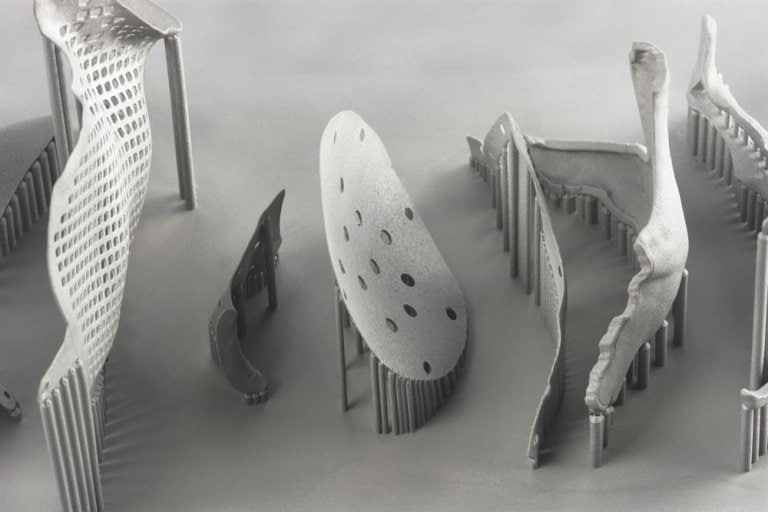
However, this is not the limit of technology development. Due to the high speed of development of the method and additive manufacturing in general, selective laser sintering of metal is rapidly improving, and access to work with new types of materials is opening up. And this entails expanding the field of application of SLM technology.
Finally, we want to remind you that our company provides 3D printing services and sells various types of 3D printers, consumables, as well as other equipment, spare parts, and components related to the field of additive manufacturing. Contact details for contacting our representative offices in different cities are indicated in the "Contacts" section.








Leave a Comment