
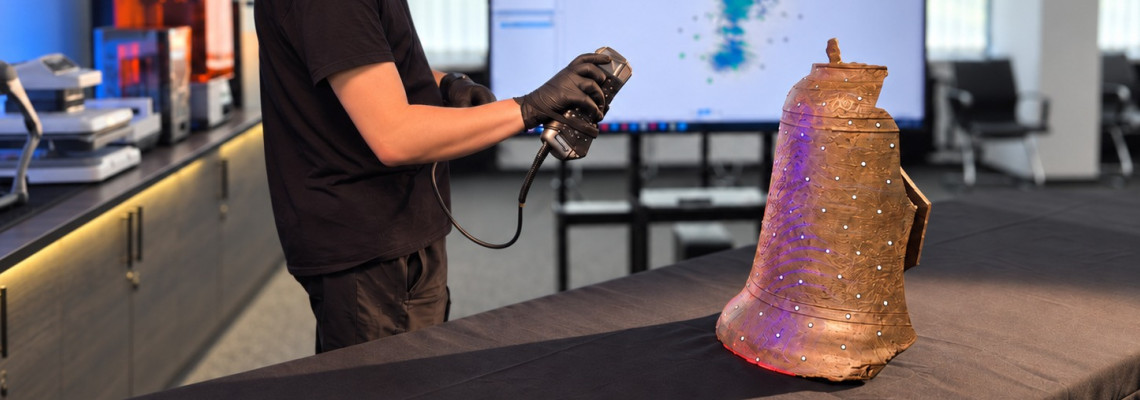
The bell of the Tithe Church (Desyatynna Church) is a unique witness to the Princely Era and one of the most valuable artifacts of the National Museum of the History of Ukraine. When the first stone church of Rus was destroyed during the 1240 invasion, its bells fell silent for centuries. It was only in 1937 that archaeologist Teodosiy Movchanivskyi discovered a bronze fragment of this relic, 60% of which remained intact.
When the idea arose to restore the relic's original shape and authentic sound, traditional restoration methods proved insufficient. A top-tier, non-contact technology was required, and laser 3D scanning performed by 3DDevice engineers became the foundation of the entire project.
Why the Scanology SimScan E Was Chosen for the Historical Relic
Ancient bronze over eight hundred years old is extremely fragile. Any mechanical contact or attempt to take a physical cast risked damaging the thin edges and micro-relief of the metal. Furthermore, specialists faced the challenge of preserving precise wall proportions, as the future acoustic calculations for the bell depended directly on them.
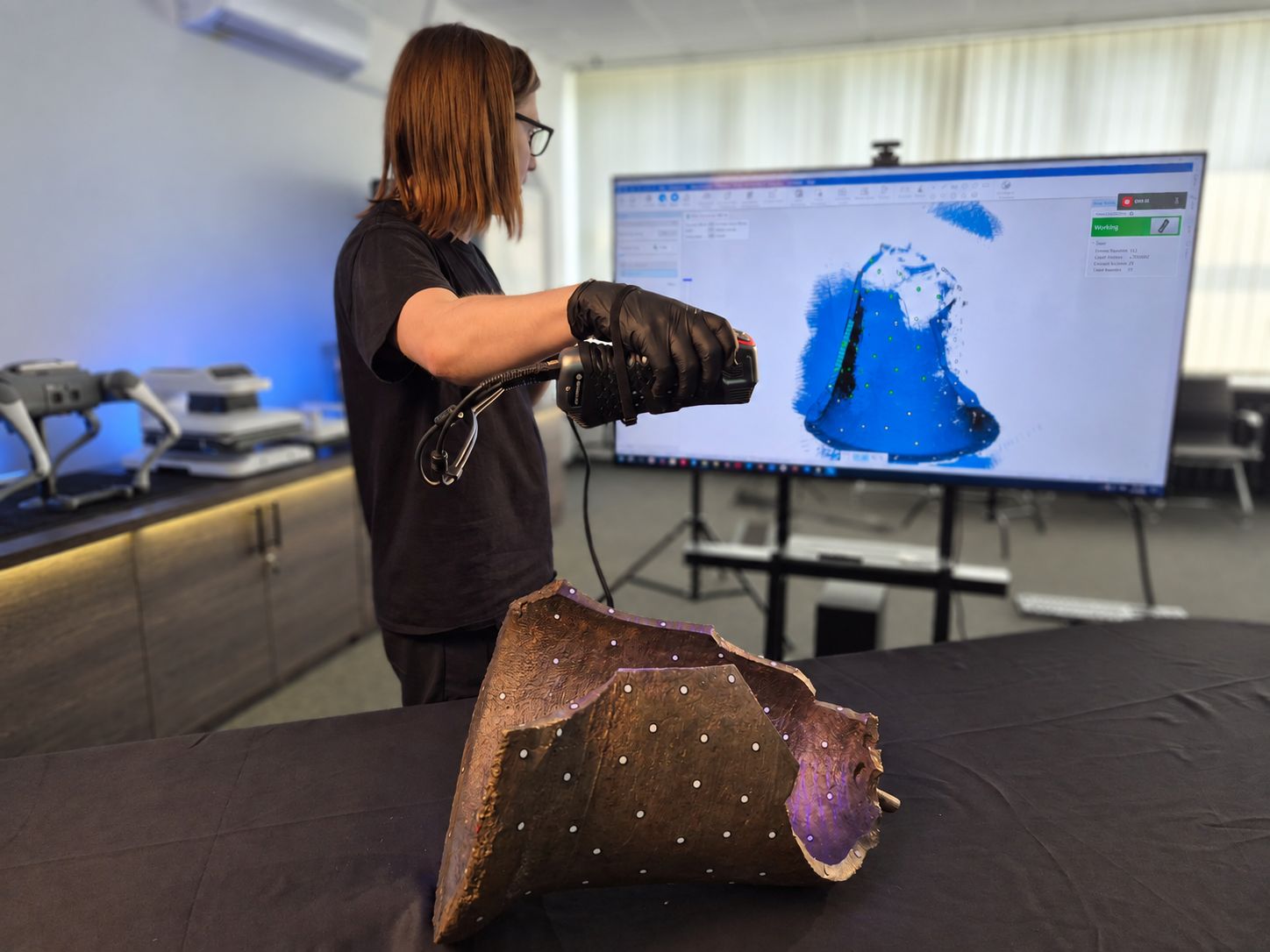
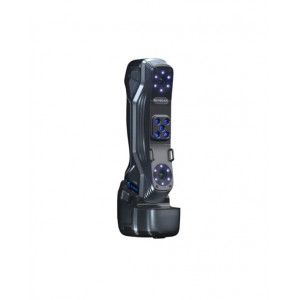
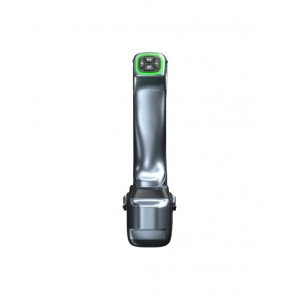
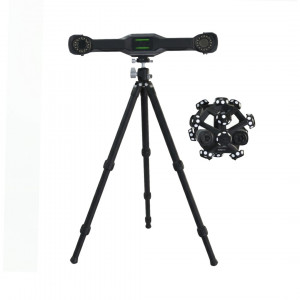
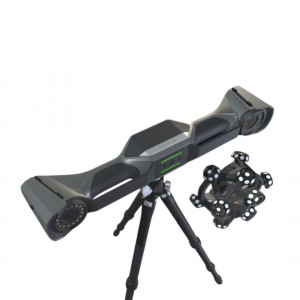
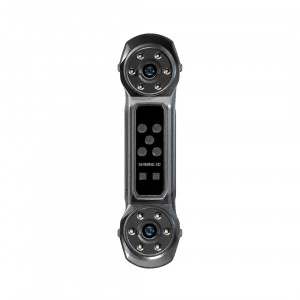
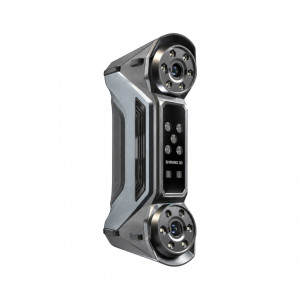
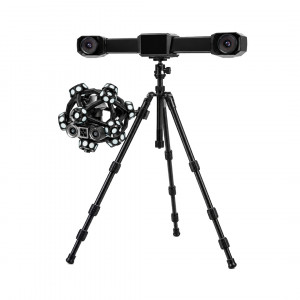
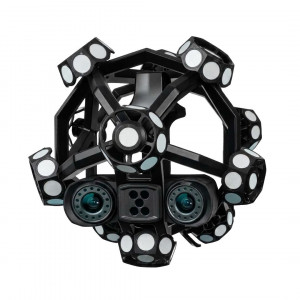
To solve this challenge, we deployed the Scanology SimScan E portable laser 3D scanner. This device proved ideal for delicate museum work due to several key features:
Metrological accuracy and ultra-high detailing of every millimeter of the surface.
Safe blue laser beams, which completely eliminate thermal impact or physical pressure on the artifact.
Compact, ergonomic body, allowing easy scanning of deep cavities and hard-to-reach curves.
Fast real-time data capture without loss of resolution.
Stages of 3D Scanning the Bell at the 3DDevice Laboratory
Digitizing the museum exhibit required systematic precision and careful handling at every step.
Surface Preparation and Optical Marking: First, our specialists placed special reflective targets on the bell's body and fracture line. These markers serve as spatial reference points for the scanner, enabling it to track the geometry of complex curved surfaces without distortion.
Vertical Laser Scanning: The first pass was performed with the bell in a vertical position. Utilizing the cross-blue laser beams of the Scanology SimScan E scanner, engineers captured the outer contour, ancient casting relief, and characteristic fracture cracks. All data was instantly displayed on screen as a detailed point cloud.
Digitizing the Internal Cavity: To eliminate blind spots entirely, the bell was carefully placed on its side. The second scanning phase flawlessly captured the interior dome, base, and wall thickness around the entire perimeter of the break.
Registration and Solid 3D Model Generation: Upon completing the scan, the datasets underwent digital processing in specialized software:
Both scans were merged into a single spatial coordinate system.
Engineers removed digital noise and smoothed out scanning artifacts.
A solid polygonal 3D mesh was generated, replicating the original geometry with 100% fidelity.
Results: From Digital Twin to Restored Bell
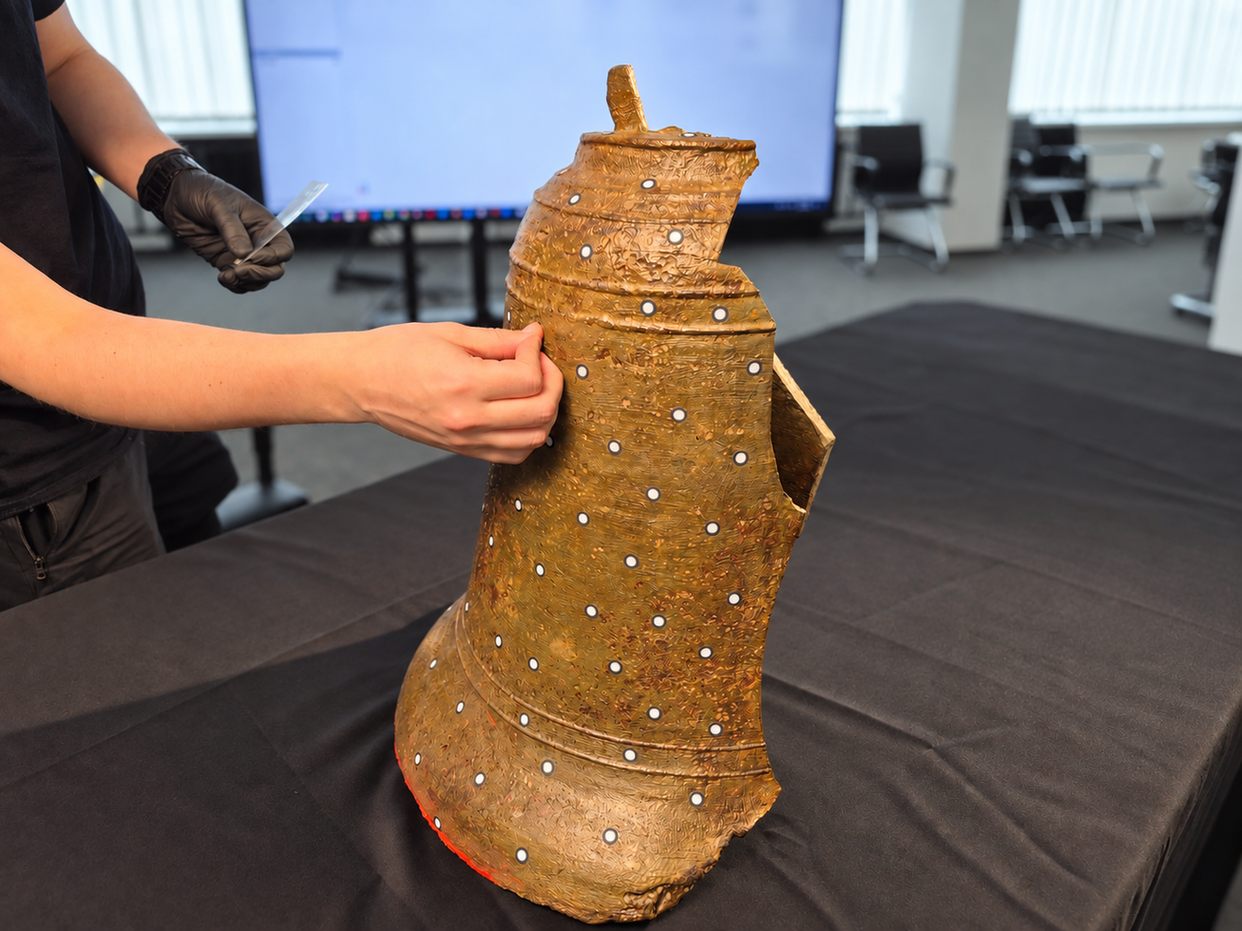
The digital model created by the 3DDevice team served as the foundation for the entire reconstruction process:
Acoustic Modeling: Scientists at Igor Sikorsky Kyiv Polytechnic Institute used our 3D scan to calculate sound wave propagation physics and bronze behavior under clapper impacts.
Reconstructing Lost Geometry: Digital designers modeled the missing 40% of the body, recreating authentic suspension loops and the bell crown.
Physical Casting of the Replica: Based on the final 3D model, the Dutch royal foundry Royal Eijsbouts cast a full-scale bronze bell weighing 87.5 kg.
Today, the revived bell of the Tithe Church resonates once again atop Starokyivska Hill near the walls of the National Museum of the History of Ukraine. We take pride in the fact that 3DDevice's expertise, engineering knowledge, and equipment helped bring this historic voice back to our city.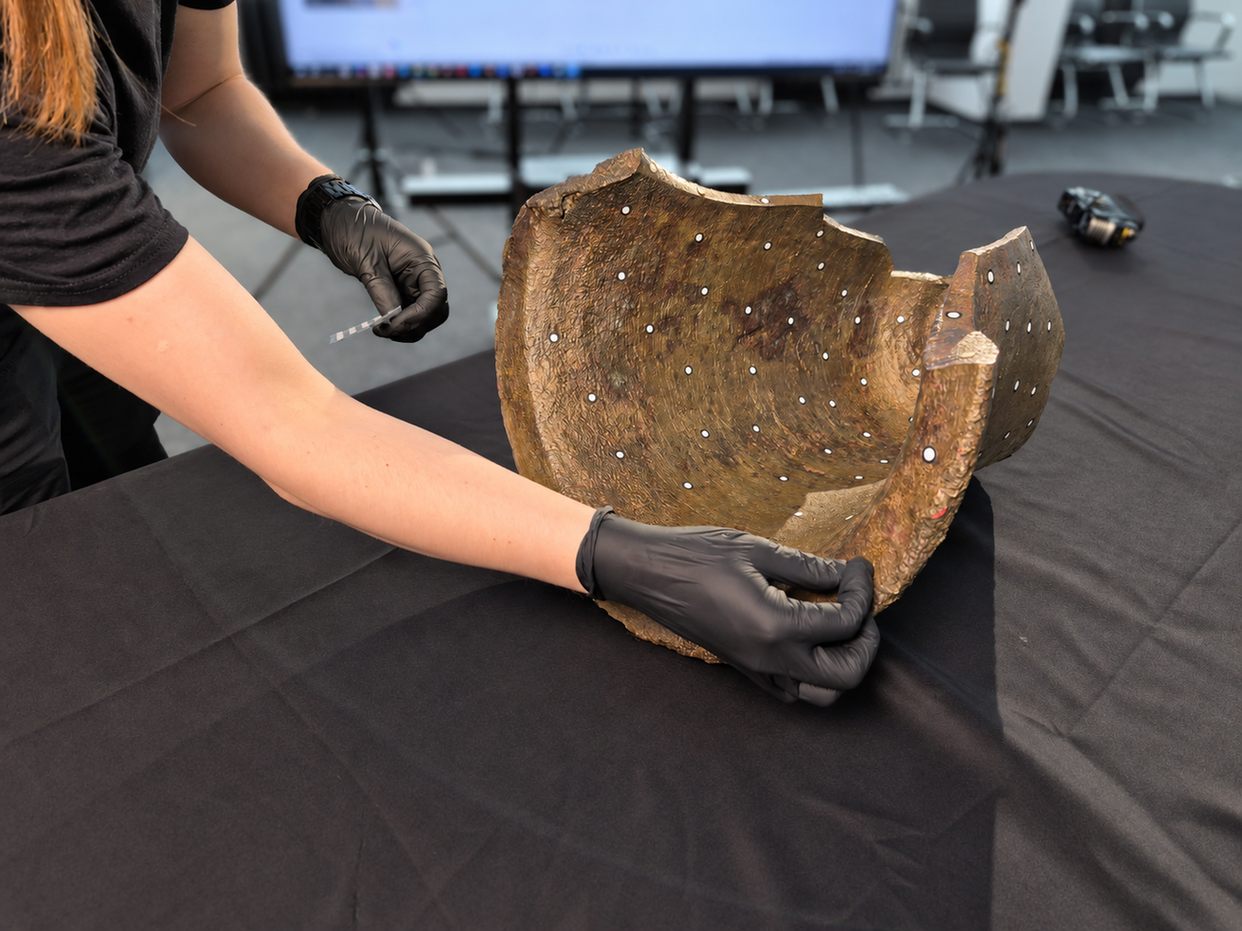
Professional 3D Scanning of Any Complexity by 3DDevice
3DDevice delivers high-precision 3D scanning, reverse engineering, and digital model preparation for manufacturing, restoration, and 3D printing:
Digitization of museum exhibits, architectural monuments, and sculptures
Scanning of components
Work with advanced professional-grade scanners
Need to create a precise digital twin of your product or preserve a valuable artifact? Contact the 3DDevice team - we guarantee top-tier results!

Leave a Comment