
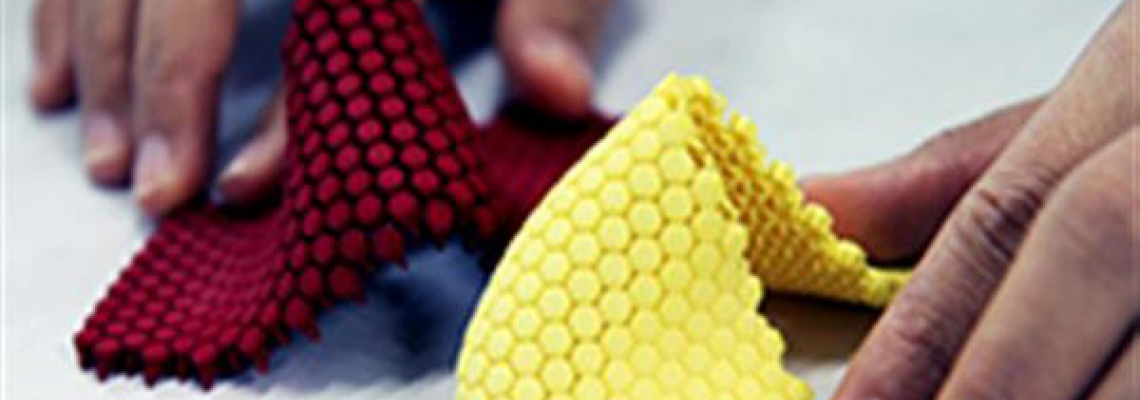
3D-друк одягу — швидке виробництво та розповсюдження!
У сфері 3D-друкованої моди постійно відбуваються зміни, спрямовані на поліпшення якості готової продукції. Розробники прагнуть зробити одяг та взуття, виготовлені на
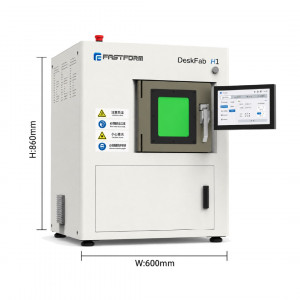
3D принтері максимально комфортними, не обмежуючись при цьому в дизайні виробів. Найчастіше 3D-друкований текстиль виробляється з використанням технології селективного лазерного спікання, оскільки вона забезпечує найвищий рівень деталізації, необхідний для створення складних рухливих структур.
3D-друк одягу
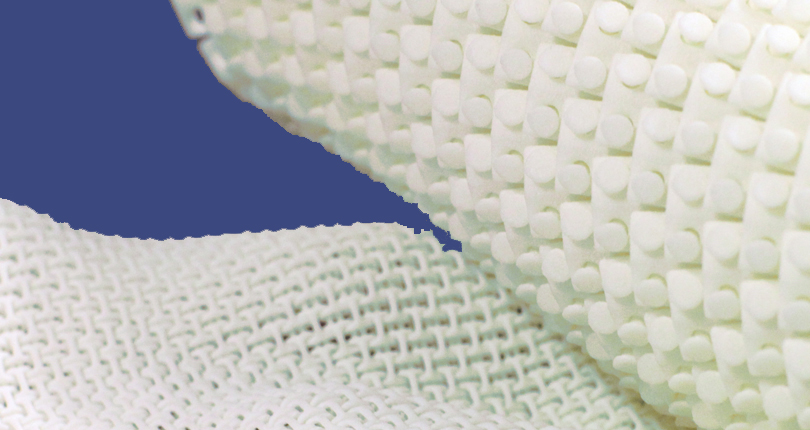
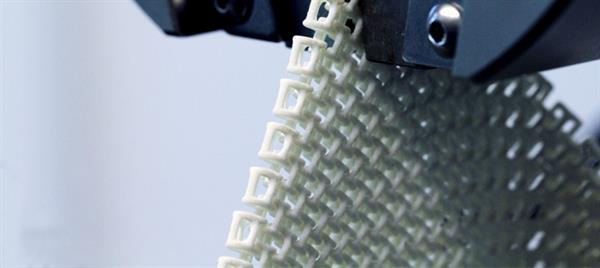
Варто зазначити, що дизайнери вже досягли значних успіхів у цій справі і наразі багато організацій працюють над удосконаленням розроблених технологій. Так, британський Університет Лафборо і виробник текстильної та швейної продукції світового рівня Yeh Group об'єдналися для роботи над спільним проєктом, відомим як 3D Fashion, метою якого є розробка і виготовлення за допомогою 3D друку одягу та взуття, що відповідає індивідуальним особливостям кожного конкретного покупця.

«3D-друк дозволяє нам, як розробникам, впроваджувати інновації в процес виробництва набагато швидше і створювати унікальні, готові до носіння вироби за допомогою цифрових технологій без будь-яких геометричних обмежень і з практично повною відсутністю відходів. Ми припускаємо, що з подальшим розвитком технології нам вдасться друкувати одяг на 3D принтері протягом 24 годин. Друк одягу за допомогою адитивного виробництва зможе революціонізувати фешн-індустрію в усьому світі шляхом донесення цифрового виробництва в маси через мережі роздрібної торгівлі. Внаслідок чого відбудеться таке необхідне оновлення застарілої техніки та процесів виробництва. Цей сучасний підхід допоможе задовольнити зростаючий попит на ексклюзивний персоналізований одяг і взуття, що за допомогою 3D-друку можуть бути виготовлені красивими та якісними», — розповідає доктор Гай Бінгем, керівник проєкту.
3D-друк одягу
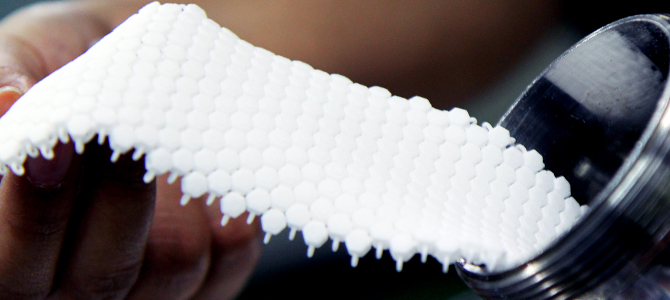
Традиційний процес виробництва одягу є неймовірно марнотратним і завдає значної шкоди навколишньому середовищу. Світова першість у виробництві текстильних виробів, як і раніше, належить Китаю. І тільки за 2010 рік там було перероблено понад 41 мільйон тонн волокон. Статистика за минулий рік теж не вражає: викид забруднюючих речовин в атмосферу склав понад три мільярди тонн, залишилися мільйони тонн невикористаного матеріалу, а кожна окрема виробнича установка споживає в середньому 200 тонн води на кожну тонну пофарбованої тканини, виробляючи понад два з половиною мільярди тонн стічних вод.
3D-друк текстилю
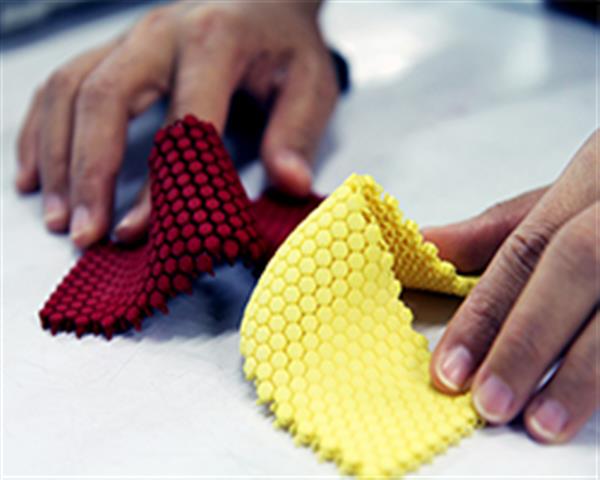
Лякаючі дані, чи не так? Однак технологія 3D-друку може стати чудовим виходом із ситуації, що склалася, завдяки використанню в процесі виробництва конкретного полімеру. Практично повному усуненню непотрібних відходів і скороченню шкідливих викидів, що забруднюють навколишнє середовище. Крім цього, адитивне виробництво дозволить зменшити витрати на виготовлення текстильних виробів. Завдяки 3D-моделюванню це може бути використано для створення повністю індивідуального одягу без додаткових витрат на це.
Створення одягу на 3D-принтері
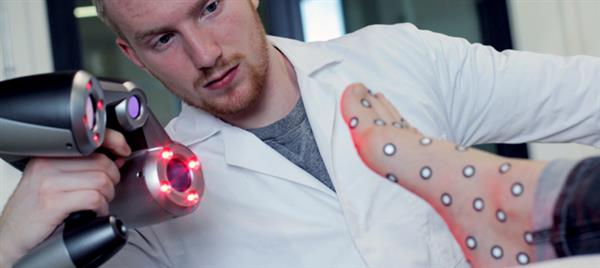
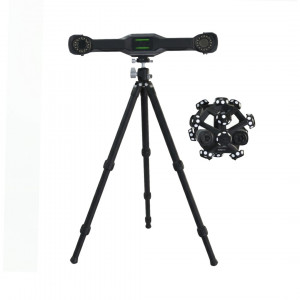
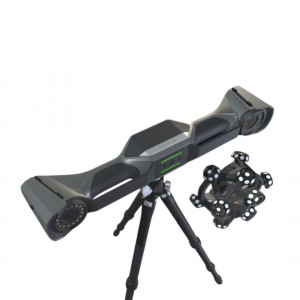
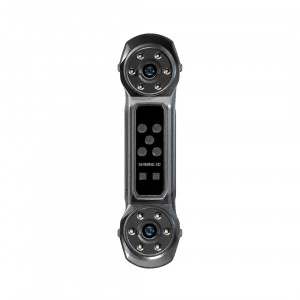
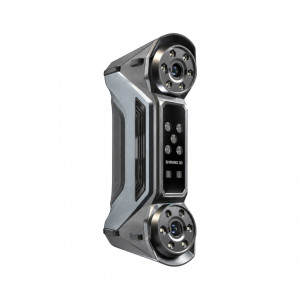
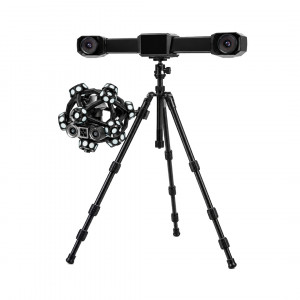
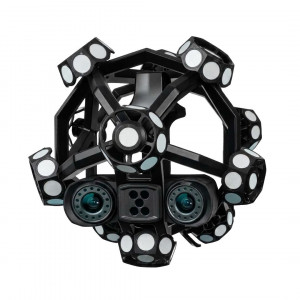
А сучасна технологія 3D-сканування значно полегшить це завдання. Наразі розробники проєкту перебувають у пошуках додаткових можливостей промислового співробітництва. Продовження досліджень і просування технології 3D-друку у сфері виробництва одягу. Схоже, широке розповсюдження 3D-друкованих нарядів уже не за горами.



Залишити коментар