
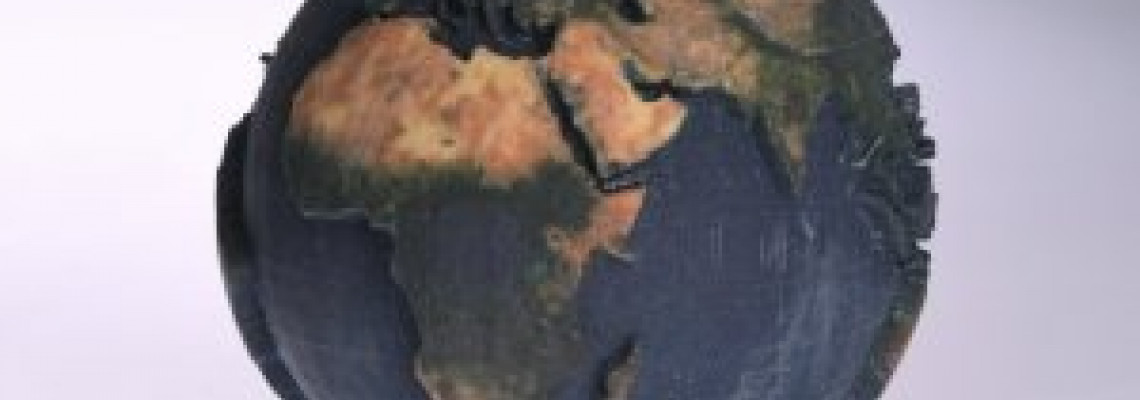
LOM – 3D Printing from Paper
3D printing from paper is not the most precise name for the LOM methodology, which stands for Laminated Object Manufacturing. In fact, materials such as plastic, metal foil, and certain other raw materials are also available as consumables for this method. However, sheets or rolls of paper remain the most common, and some devices even use standard A4 paper.
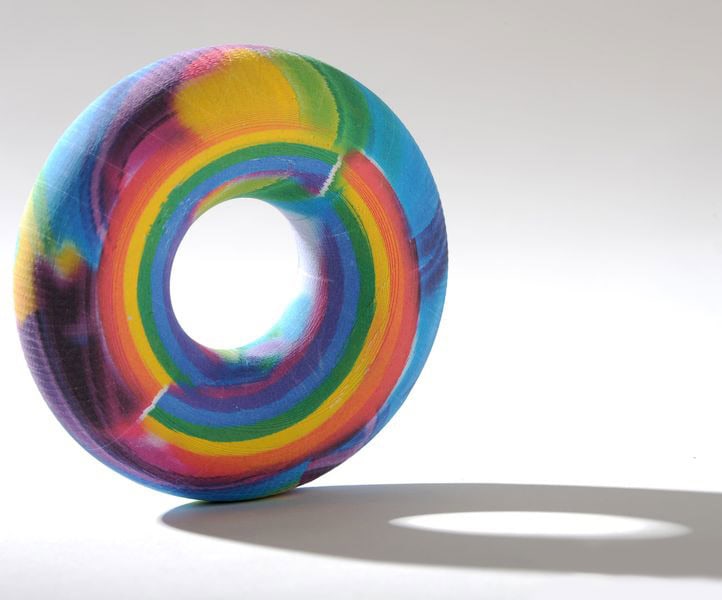
Even for those already somewhat familiar with additive manufacturing techniques, the very idea of using paper as a consumable for 3D printers may seem strange and absurd. However, seemingly unusual ideas often evolve into something highly promising. This is exactly the case with 3D printing from paper, and in this article, we will tell you everything about this unique methodology and its features.
How Does 3D Printing from Paper Work?
The essence of the technology lies in the sequential gluing of layers of consumable material (paper, foil, etc.) to one another. To ensure each layer of material corresponds to the layer of the given 3D model, it is cut along the required contour using a laser or a knife. Below, we provide an illustration and a step-by-step description of all 3D printing stages. But first, a few words about 3D models for 3D printing. They are created according to specific rules, which you can read about here. The finished model is loaded into a slicer program (e.g., Cura), where it is divided into layers and the necessary 3D printing settings are configured. The resulting file, usually in STL format, is then loaded into the 3D printer.
Once the printing process starts, the consumable material (either an individual sheet or from a roll) is fed onto the 3D printer's build platform, heated to the required temperature, and distributed under specific pressure. Then, using a specialized knife or laser, the contour of the first layer is cut on the sheet; areas requiring removal after the 3D print is completed are cross-hatched in a specific pattern. Next, the platform lowers by the height of one layer. If roll material is used, the roll rotates to feed new material and remove waste. If sheets are used, a new sheet is fed with each new layer.
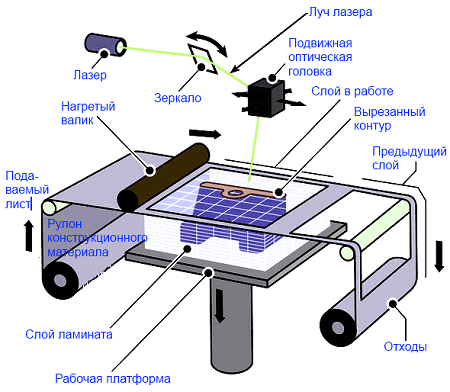
Before applying each subsequent layer, the consumable material is coated with a special adhesive from below. Through heating and pressure application, a solid product is formed. The process of cutting layers and applying new sheets repeats until the entire object is built, at which point the 3D paper printing is considered complete. The finished product is extracted from the 3D printer and undergoes post-processing if necessary.
Features of the Methodology
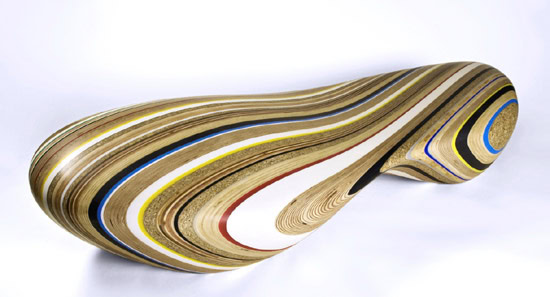
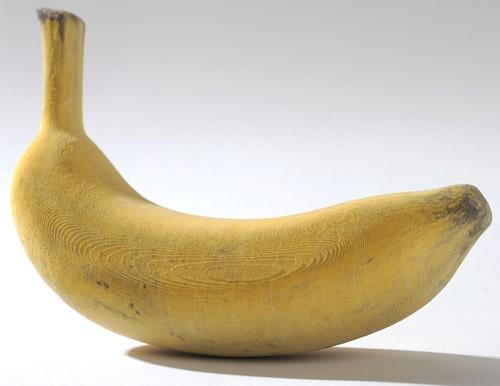
3D printing from paper differs from other additive manufacturing methods and possesses some interesting characteristics. For instance, the accuracy of this type of 3D printing directly depends on the type of material used, as its thickness corresponds to the layer height of the object. Furthermore, products made via this method respond well to post-processing, as their texture resembles wood. Additionally, finished objects require varnishing.
Advantages:
- Low production cost. While 3D printing from paper is not the absolute cheapest method, the cost of reproducing items with it is significantly lower than other professional methods (SLS, SLM, etc.). Equipment pricing also plays a key role here;
- Use of common consumables. Most of us have metal foil or A4 paper at home. Even plastic and photopolymer resin for budget FDM and SLA methods are more expensive;
- Possibility of creating full-color products. Some LOM 3D printers are designed to produce objects in specified colors, which speeds up and simplifies post-processing.
Disadvantages:
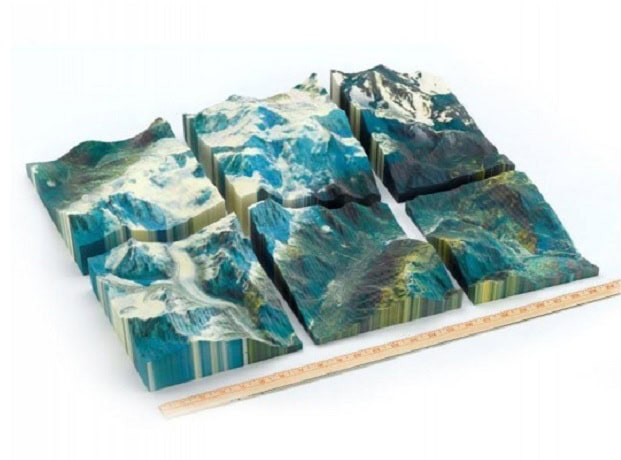
- Lower printing accuracy compared to other industrial methods. Unfortunately, in terms of product quality, 3D paper printing is slightly inferior to other technologies. The average layer height offered by LOM printers is 300 microns;
- Risk of delamination. While the resulting models cannot boast high strength, without proper care (and sometimes for no apparent reason), the items may split along the layer lines;
- Paper absorbs moisture easily. To protect printed models, it is recommended to coat them with varnish or specialized paints. This extends the product's life and helps prevent delamination.
Where is 3D Paper Printing Applied?
Now that the technical aspects are clear, it is time to discuss the applications of LOM technology. Due to its characteristics, industrial-scale use is limited. However, in some cases, 3D printing from paper is used for prototyping in various manufacturing sectors. Otherwise, the technology is in demand in the following fields:
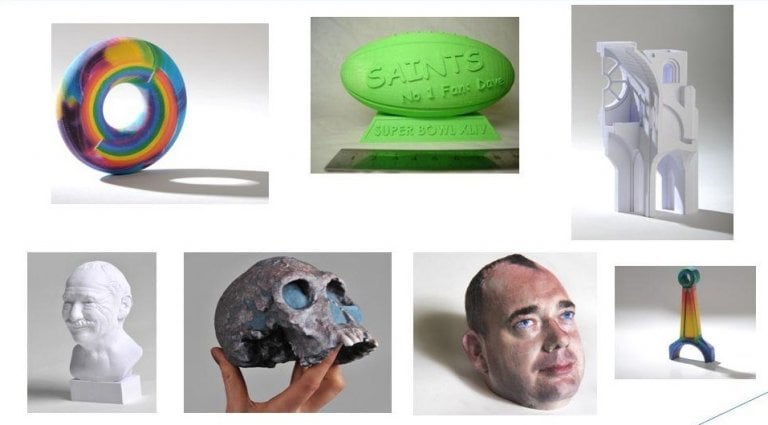
- Model making. This includes not only professional (e.g., architectural) modeling but also the use of LOM technology for hobbyist models. The equipment lineup for this 3D printing method includes budget-friendly models;
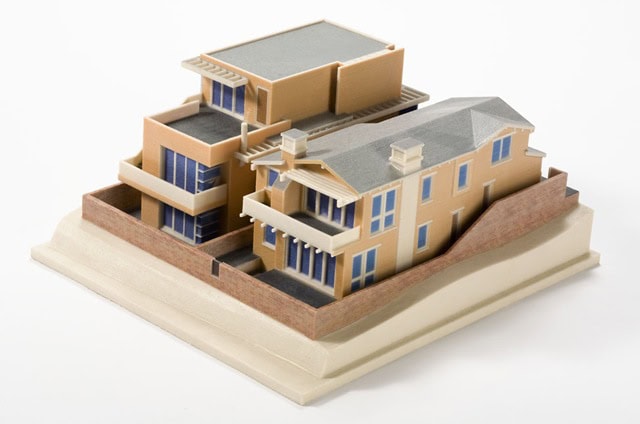
- Design. As well as all types of art. The cost-effectiveness and availability of materials make this method attractive for creative professionals, product designers, and industrial designers. Ease of post-processing and the ability to create color products complete the picture;
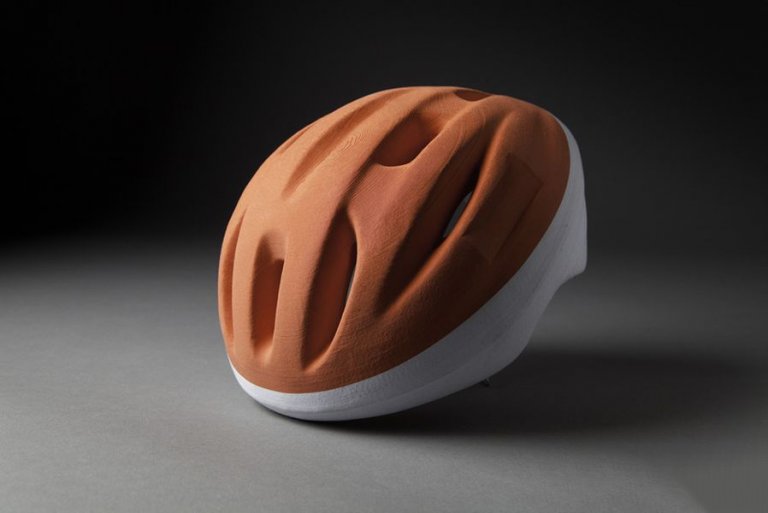
- Education. Generally, this category falls under model making, as medical, geographical, and other models are of great interest to educators;
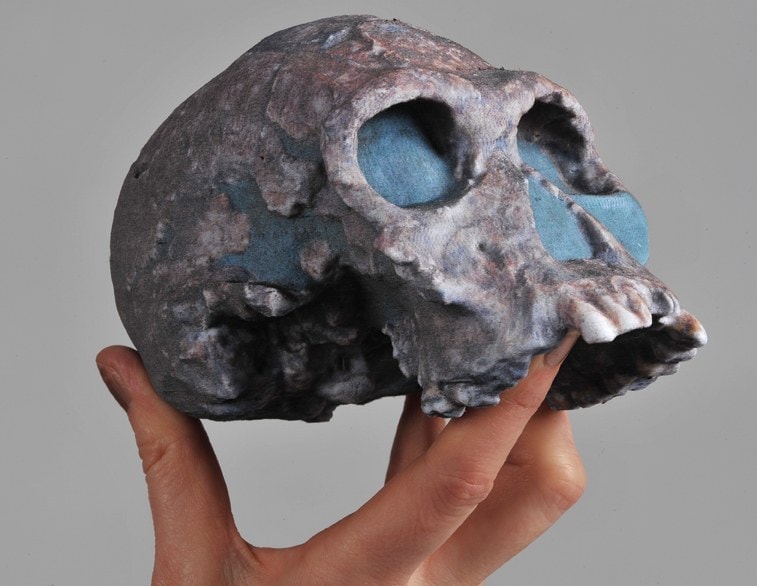
- Souvenirs. Low cost, color options, and decent detailing make this perfect for creating charming souvenirs.
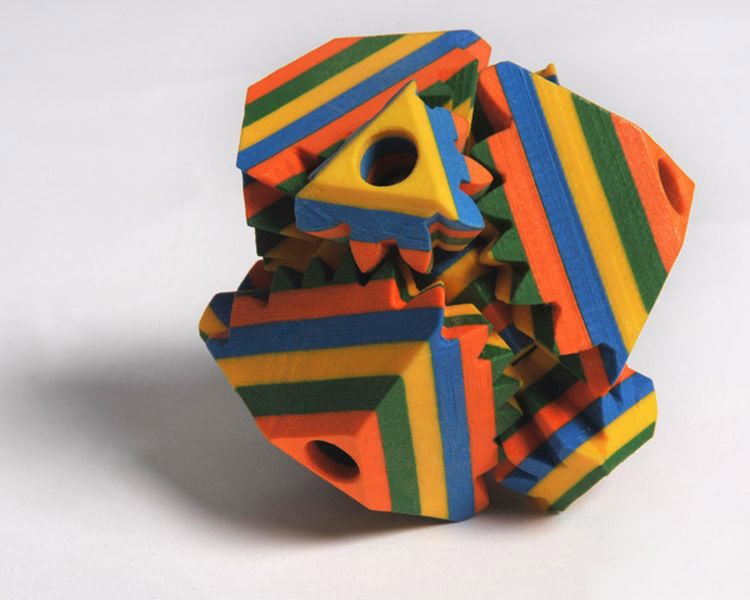
However, one should not think that 3D printing from paper is limited to these areas. Significant advancements in the technology are planned for the future. For example, a professional 3D printer for creating heavy-duty items, including furniture, was expected to hit the market in 2019.
Everyone interested in 3D printing is invited to read about other technologies and visit our online store. For inquiries regarding 3D printing services, 3D modeling, 3D scanning, or purchasing equipment, please contact us via the phone numbers or email provided in the "Contacts" section.






Leave a Comment